Travel and safety for your rodent

Vet visits, holidays, moving house: sooner or later your rodent will travel. The right carrier, proper car restraint, journey prep: our guides cover the gear and habits that turn a trip into a non-event.
🛒 Our picks from the shop
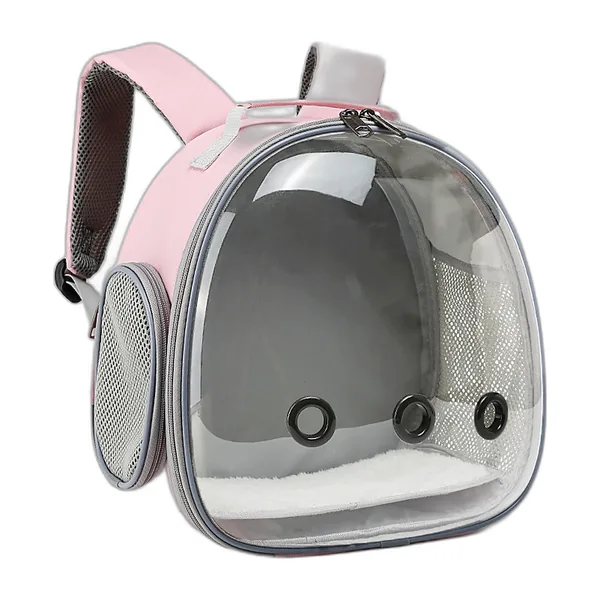
Delivery in 8 to 15 working days, free from €49 (otherwise €4.90). See the whole shop
🛒 Our picks shipped from the US
-
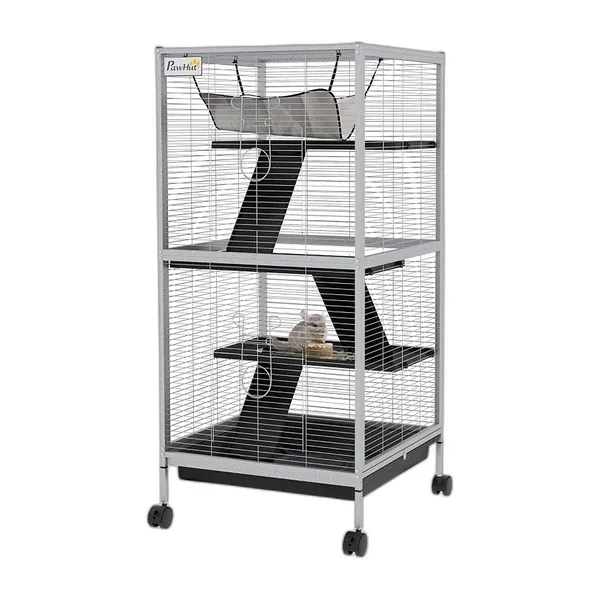 Rolling 4-level ferret and chinchilla cage with hammock
$159.90
-
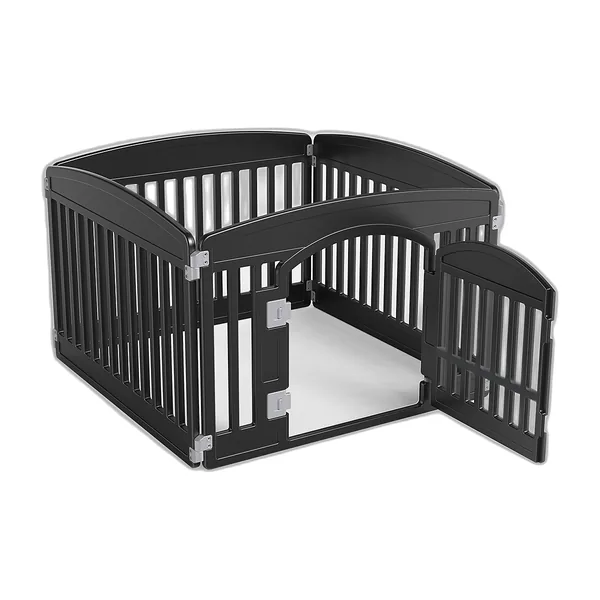 Modular plastic playpen for puppies and rabbits, 4 or 6 panels
from $87.90
Choose an option -
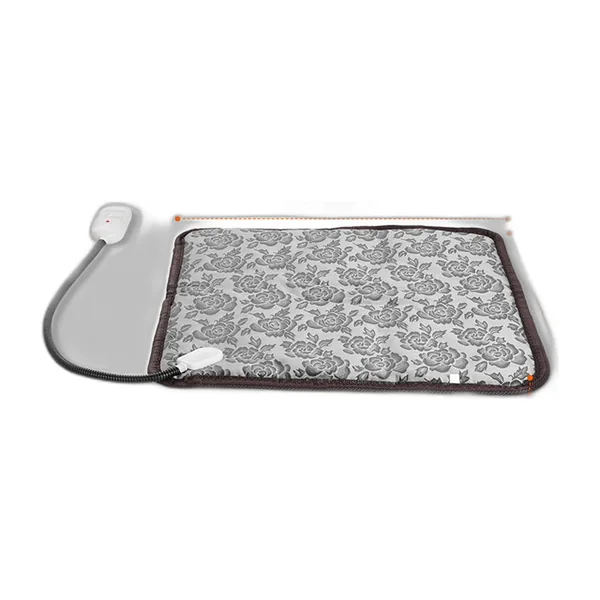 Electric pet heating pad 45 × 45 cm (17.7 in) with chew-resistant cord
$48.90
Ships from a US warehouse in 4 to 10 business days, free delivery within the United States. See the US shop
The key point : A rigid, dark carrier limits stress; on long trips, add a water-rich vegetable rather than a dripping bottle.
Our dedicated guides
- Getting your rodent used to its carrier before a trip
Vet visits, travel, moving day: how to gradually get your rodent used to its carrier to cut stress on the day itself.
- Rodent-proofing your home against escapes
Chewed cables, gaps, furniture: how to secure a room to limit the risk of a rodent escaping or getting hurt during playtime.
- First car ride with a guinea pig
How to prepare for and handle a first car ride with a guinea pig, a species particularly sensitive to vibration and engine noise.
- Transporting a pet mouse without stress to the vet
Why how you pick up a mouse before a trip matters more than the carrier itself, and how to limit its anxiety during transport.
- Securing the travel carrier in the car and limiting motion sickness in rodents
A car trip badly stresses a rodent if the carrier isn't secured and the journey isn't planned well. Our advice for safe rodent transport.
- Transporting rodents in hot weather: the safety rules
Transporting a rodent in hot weather demands strict precautions: timing, ventilated carrier, cooling plate, air-conditioned car and warning signs.
- Heatwave: keeping rodents cool at home
In a heatwave, keeping rodents cool becomes vital: the right room, cooling plates, tiles, indirect ventilation and the mistakes you must not make.
- Transporting a rodent in cold weather: preventing thermal shock
A trip by car or on foot to the vet exposes a small rodent to a far sharper temperature shock in winter than in summer. The precautions to take before heading out.
- Hard-sided or soft-sided carrier for a rodent: which one to choose?
A soft carrier built for a cat offers no real security against a rodent's teeth. Why a carrier's rigidity matters more than its apparent comfort.
- Catching and transporting a dwarf hamster without stress or escape
Tiny and fast, the dwarf hamster easily slips out of hands or a poorly closed carrier. A capture method that lowers stress, drawn from research on handling small rodents.
- Should you take your hamster out during the day? No — here is why
Waking and handling your hamster during the day stresses it, makes it bite and weakens its health. The right time slot for playtime and how to keep it safe.
- Rodents and children: which one to choose by age?
Which rodent for a child? Guinea pig, rat, gerbil, hamster: the age-by-age comparison, the handling rules and the mistakes that end in a bite.
- Going away for the weekend: does your rodent need a sitter?
Can a rodent be left alone for a weekend? Species by species, the maximum time without a visit, the departure checklist and the pet-sitting options that work.
- Handling and travel: what stress physiology reveals in rodents
A landmark study measured a rise in corticosterone from the simple act of picking up a laboratory rodent. What that changes about preparing a trip to the vet.
- Why a rodent never vomits, even when it feels sick in the car: what the science says
Unlike dogs or humans, rodents are physiologically unable to vomit. A comparative study explains why, and what that means for spotting real motion sickness in your pet.
- Escaped Siberian chipmunk: why a single getaway is a real ecological problem
Populations of escaped or released Siberian chipmunks have taken hold in several French forests, with measurable effects on ticks. Good reason to double-check your aviary.
- Why you should never transport a rat alone: what a stress study shows
A Japanese study measured how a companion's presence dampens the stress response in rats. Good reason never to isolate a rat during a trip or a vet visit.
- Traveling by train or plane with your rodent: what you need to know
Train, plane, car: can you travel with a hamster, a rat or a guinea pig? Rules, carrier crates and precautions for a stress-free trip.
- A trip stresses a rat for far longer than most owners realize, a Dutch study shows
Researchers measured the physiological effects of transport in rats over several weeks. Reason to rethink how much settling-in time to allow after a move or a new rat's arrival.
- Chinchillas: does stressful handling make fur-chewing more likely?
An Argentine study measured urinary cortisol and anxiety in fur-chewing chinchillas. Useful insight for how to handle and transport the animal day to day.
- Degus: why frequent handling doesn't make them used to stress
A Chilean study measured corticosterone in degus captured five times in a row: stress didn't decrease with repetition. A good reason to limit unnecessary handling.
- Rats: how long should you leave one alone after a trip?
A Dutch study measured how long it takes a rat's nutritional parameters to stabilise after transport. A good reason not to resume handling too soon.
- Transporting a rodent: the carrier matters more than the trip itself, a 2024 study shows
A US study measured the noise and vibration produced by different transport methods in mice. The ranking from worst to best gives concrete benchmarks for any trip.
- Noise on arrival worsens a rat's transport stress, a study shows
A Dutch study shows that transporting a rat to a noisy room increases stress far more than an identical transport to a quiet room. A factor often overlooked once the trip is over.
- Rodents and cats or dogs at home: how do you keep cohabitation safe?
Cage out of reach, supervised playtime, gradual habituation: our advice for letting a rodent share a home safely with a cat or a dog.
- Can you still get a Siberian chipmunk in 2026? What the rules actually say
Buying and selling the Siberian chipmunk has been banned in the European Union since 3 August 2016. What that means for a would-be buyer, and what it does not change for a lawful keeper.
- A hideout after the trip lowers a guinea pig's stress, a study finds
Once a trip is over, what you set up in the arrival cage directly affects how fast measured stress subsides in a guinea pig. A study puts a number on the effect of a simple hideout.
- After a trip, a guinea pig can take up to ten days to return to normal
Using implanted sensors, a study continuously tracked heart rate, temperature and activity in guinea pigs after road transport. The return to baseline takes far longer than it looks from the outside.
- Gerbils: clamping and bandaging can trigger total immobility
A laboratory study shows that clamping, bandaging or firmly grasping a Mongolian gerbil triggers a reflexive immobility response — a useful cue for handling and transporting the animal without alarming it.
- Transporting several mice in one carrier: what triggers fighting
A large collaborative study identified the factors linked to fighting among mice sharing a cage. Several of those factors show up exactly at the moment of a move or a trip.
- First aid kit for a rodent: what should it contain?
Injury, fall, heatstroke: the list of first-aid supplies to keep at home to react before an exotics vet consultation.
- Tunnel or tail: what a 2025 study walks back about handling mice
Since 2010 the rule has been never pick up a mouse by the tail. A 2025 study on weekly handling barely finds any measurable gap between the two methods.
- How to lift a rat without stressing it: what a survey of 249 handlers found
Before the travel carrier even comes into play, there is the gesture that takes the rat out of its cage. An international survey compares eight handling methods and their effects on the animal’s behaviour.
- A brief scruff hold before the trip raises a mouse’s cortisol
Ten seconds of scruff restraint is enough to raise a mouse’s corticosterone, whatever handling method is used afterward to move it, a Japanese study shows.
- Alone or with a stranger: what a guinea pig cortisol study changes for travel
It’s tempting to assume a guinea pig alone in its travel carrier suffers from solitude. An Austrian study separates isolation from confrontation with a stranger, with very different effects.
- Just catching your Siberian chipmunk before a trip already raises its temperature, a study shows
In a close relative of the Siberian chipmunk, capture alone raises body temperature. Reason enough to rethink how you prepare a trip on a warm day.
- Transporting two rats together: 22 kHz distress calls don’t scare every rat, a study shows
A US study on ultrasonic distress calls in rats complicates the idea that a companion always calms a stressful ride: fear contagion depends on the listening rat’s own history.
- Moving house with a rodent: how to reduce its stress during the move
A disassembled cage, a car ride, a new home: how to prepare a move with a rodent to reduce its stress before, during and after.
- Travel Carriers for Small Rodents: Choosing Right for a Stress-Free Trip
Size, ventilation, safety: how to choose a travel carrier for a hamster, guinea pig or rat, and how to prepare a safe car journey.
Travel & safety breed by breed: every rodent profile covers this product family with that species’ own figures.