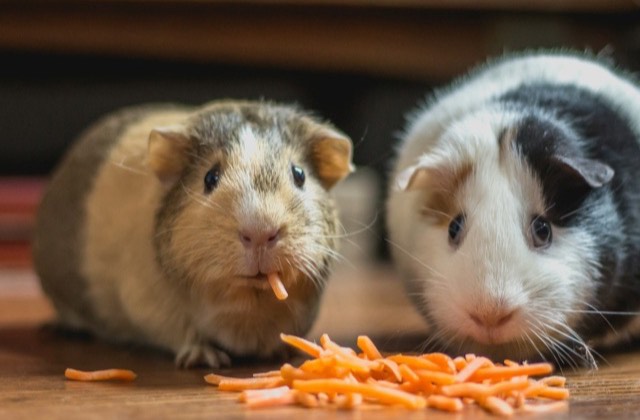
Moving house with a rodent: how to reduce its stress during the move
Published by Planète Pets · managing editor: Clément Lacaille · how our guides are written
A move disrupts a rodent's bearings far more than it might seem: familiar smells lost, a stressful ride, a new environment to figure out. Good preparation ahead of time greatly limits the impact on its well-being. Find all our guides in the travel and safety category for rodents.
Contents · 5 sections
How should you prepare the rodent before moving day?
In the days before, avoid any extra changes (new bedding, new toys): the move itself will already bring plenty of novelty at once. Prepare a small, well-ventilated travel carrier with a bit of bedding and a piece of fabric already carrying the cage's familiar scent, as covered in our guide on the travel carrier for a small rodent.
What should you do during the ride?
- Wedge the travel carrier so it's stable, never in the trunk and never exposed to direct sunlight.
- Limit stops and handling along the way to avoid needlessly prolonging the stress.
- Keep the cabin temperature moderate, neither too hot nor too cold depending on the season of the move.
How should you set the cage back up in the new home?
Rebuild the cage in a quiet room, away from the bustle of moving day, and reuse as much of the bedding and accessories already carrying the familiar scent as possible rather than cleaning everything brand new on day one. Let the rodent come out of its travel carrier on its own, without forcing it to explore the whole cage right away.
How long until it settles back in?
Plan on anywhere from a few days to a week for a rodent to return to normal behavior (appetite, usual nighttime activity) in its new environment. Keeping a first aid kit within reach during this transition period, like the one covered in our first aid kit for a rodent guide, lets you react quickly to any stress-related digestive issue.
Frequently asked questions
Should you give the rodent a sedative for the ride?
No, unless specifically prescribed by a vet: most rodents handle a short ride without sedation, as long as the travel setup is well prepared.
Can you move several rodents together in the same carrier?
Yes, if they're already-cohabiting cage mates, which actually reduces each individual's stress thanks to the reassuring presence of the group.
The rodent is eating less after the move, is that serious?
A one- or two-day drop in appetite is common and not serious; beyond that, or if it stops eating entirely, see an exotics vet.
See it in the Planète Pets shop: Bubble-window carrier backpack for dwarf rabbit, guinea pig or ferret (€47.90) · the whole shop
This guide is part of Planète Pets’s Rodents universe. Our advice is general in nature: for any health concern, your veterinarian remains the only reference.