Travel Carriers for Small Rodents: Choosing Right for a Stress-Free Trip
Published by Planète Pets · managing editor: Clément Lacaille · how our guides are written
A vet visit, a house move, an adoption: every rodent owner has to transport their animal sooner or later. And an unsuitable carrier turns even a short trip into an ordeal. Here are the criteria that really matter, drawn from our testing for the travel and safety section.
Contents · 4 sections
What carrier size for each species?
Unlike the home enclosure, the travel carrier should be relatively small: a confined space keeps the animal from being thrown about under braking and actually reassures it.
- Hamster, gerbil, mouse: a box around 20 to 30 cm long (6 to 15 €).
- Rat, chinchilla: 30 to 40 cm, tall enough to sit upright (15 to 30 €).
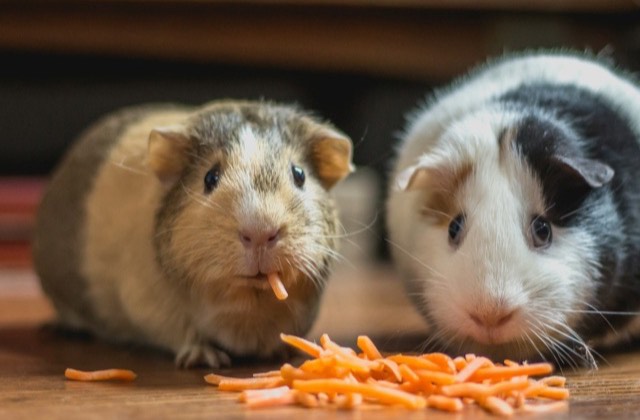
- Guinea pig: a small cat-style carrier, 40 to 50 cm (20 to 40 €), wide enough to carry two companions together if the trip is short.
The safety features that are non-negotiable
- Rigid plastic rather than fabric or cardboard: a motivated rodent chews through cardboard in minutes.
- Ventilation slots on several sides, but narrow enough to rule out any escape.
- Locking clip closures, out of reach of teeth.
- A top-opening lid: far more practical for placing and retrieving the animal without chasing it.
Preparing the inside of the carrier
Line the bottom with a layer of the usual bedding and add some scent-marked nesting material from the cage: familiar smells noticeably reduce stress. Slip in a piece of cucumber or apple as a source of hydration; a water bottle almost always leaks in transit, as we explain in our bottle versus bowl comparison. For a guinea pig, add a generous handful of hay.
During the journey: the right reflexes
In the car, wedge the carrier on the floor behind a seat or strap it in with the seatbelt — never on a lap and never in a closed boot. Avoid air conditioning blowing directly at the carrier, and draughts in general; rodents are highly sensitive to temperature swings, and the chinchilla in particular struggles with heat above 25 °C. Partially cover the carrier with a light cloth to soften the light. Beyond two hours on the road, plan a stop somewhere quiet to check on the animal. If you see panting, listlessness or drooling, contact an exotics vet without delay. Find all our guides on the rodent hub.
In our shop, for this use: Bubble-window carrier backpack for dwarf rabbit, guinea pig or ferret (€47.90) · the whole shop
This guide is part of Planète Pets’s Rodents universe. Our advice is general in nature: for any health concern, your veterinarian remains the only reference.