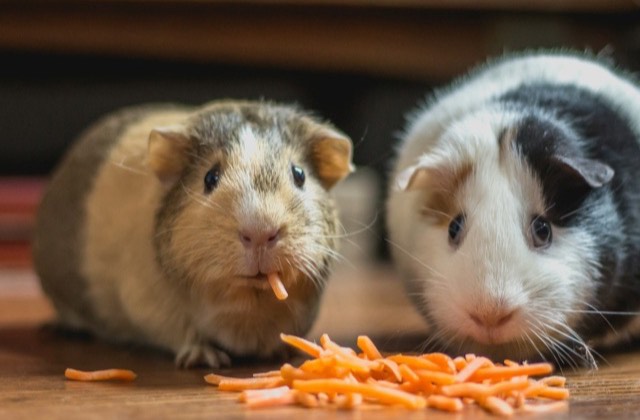
Water Bottle or Bowl for a Rodent: Which Way to Offer Water?
Published by Planète Pets · managing editor: Clément Lacaille · how our guides are written
It’s a classic debate among rodent owners: should you fit a sipper bottle or simply put down a bowl? Both solutions work, but each comes with its own hygiene and comfort constraints. Planète Pets weighs it up, with detailed comparisons in our rodent accessories section.
Contents · 4 sections
The bottle: clean but demanding
A ball-valve sipper bottle (3 to 12 €) keeps the water clear of bedding and splashes. That’s its great strength. Its limits are real, though:
- The head-up drinking position is not natural, especially for a guinea pig.
- The ball can jam: check every day that a drop beads at the tip of the spout.
- The narrow neck makes cleaning awkward; a bottle brush is essential.
- The limited flow can hold back heavy drinkers such as guinea pigs.
The bowl: natural but messy
Drinking from a bowl matches the animal’s natural posture, letting it regulate its water intake better. Choose a heavy ceramic model (4 to 10 €): stable, it won’t tip over and can’t be chewed, unlike plastic. The drawback is obvious: bedding, hay and droppings end up in the water, especially with dedicated diggers like gerbils and hamsters. So change the water once or twice a day and raise the bowl slightly on a platform.
Which option for which species?
- Guinea pig and rat: ceramic bowl by preference, bottle as backup.
- Hamster and gerbil: a bottle is often more practical given the intensive digging; a bowl works on a stable area.
- Chinchilla: a glass bottle is recommended, as plastic gets chewed through quickly.
- In transit, whatever the species: neither holds up well on the road; offer a water-rich vegetable instead, as explained in our travel carrier guide.
The smart move: offer both
The safest approach is to run bottle and bowl side by side for a few weeks and watch which your animal prefers. You’ll also keep a backup water source in case of a jammed ball or a tipped bowl. Keep an eye on consumption: a marked drop or rise in water intake warrants a visit to an exotics vet, as it can point to a dental, kidney or diabetic problem. More advice on the rodent hub.
An accessory from our shop for this use: 2-in-1 felt tunnel and hideout for rabbits and ferrets (44 × 60 cm) (€37.90) · the whole shop
This guide is part of Planète Pets’s Rodents universe. Our advice is general in nature: for any health concern, your veterinarian remains the only reference.