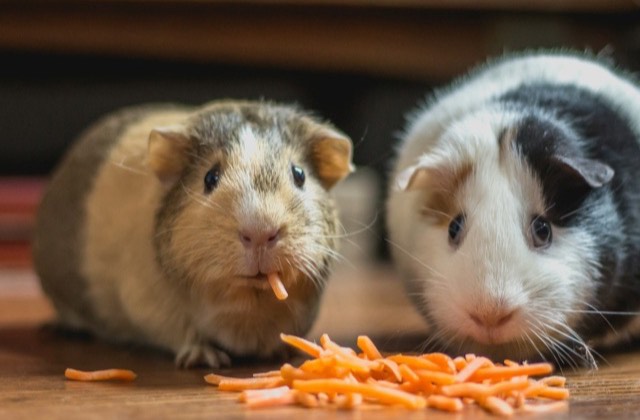
Transporting rodents in hot weather: the safety rules
Published by Planète Pets · managing editor: Clément Lacaille · how our guides are written
Transporting a rodent in hot weather is a high-risk exercise: above 25 °C, hamsters, guinea pigs and above all chinchillas can develop heatstroke within a few dozen minutes. Rule number one: only travel when necessary (vet visit, moving house), during the cooler hours, in an air-conditioned vehicle.
Contents · 5 sections
When should a journey be postponed?
If the temperature exceeds 28 to 30 °C and the trip is not urgent, postpone it. For a non-vital vet appointment, ask for an early-morning slot. In a genuine health emergency, the journey obviously has to happen: call the exotics clinic ahead so you are seen on arrival and the wait in the reception area is kept to a minimum.
How should you prepare the carrier?
- A rigid, well-ventilated carrier — never a cardboard box or a barred cage in direct sun.
- A cooling plate (8 to 15 €) or a frozen bottle wrapped in a tea towel, placed against one wall: the animal moves closer or further away as it chooses.
- A thin layer of litter plus a square of fabric, without a cosy nest that traps heat.
- Cucumber or watermelon for hydration; water bottles drip in the car, so offer water at breaks instead.
What precautions during the car journey?
Air conditioning set to around 20 to 22 °C without blowing directly onto the carrier, carrier placed on the floor on the shaded side, wedged securely, never in the boot or on the rear shelf. Never leave a rodent in a parked car — not even for three minutes, not even in the shade: the cabin tops 40 °C in no time. On public transport, use a soft, ventilated cooler-style bag with a cold plate.
What signs of heatstroke should you watch for?
Lethargy, rapid breathing, drooling, bright red ears (guinea pig), an animal lying on its side: this is an absolute emergency. Cool it down gradually (a lukewarm damp cloth on the paws, never ice-cold water) and rush to the exotics vet. For prevention at home, read our guide heatwave: keeping rodents cool, and find our tested carriers in the travel and safety category.
Frequently asked questions
Which species is most fragile on a summer journey?
The chinchilla, whose dense fur prevents any effective heat regulation: above 26 °C, the risk to life is real. See our guide to its cool habitat.
Can the cooling plate be too cold?
Wrapped in fabric and placed against a single wall, no: the animal chooses its distance. Never place it under the entire floor of the carrier.
Should you wet the rodent before setting off?
No, never: thermal shock and stress make things worse, and a wet chinchilla dries very poorly.
An accessory from our shop for this use: Bubble-window carrier backpack for dwarf rabbit, guinea pig or ferret (€47.90) · the whole shop
This guide is part of Planète Pets’s Rodents universe. Our advice is general in nature: for any health concern, your veterinarian remains the only reference.