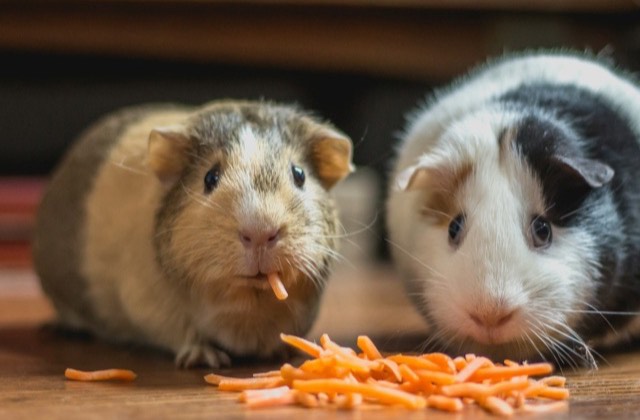
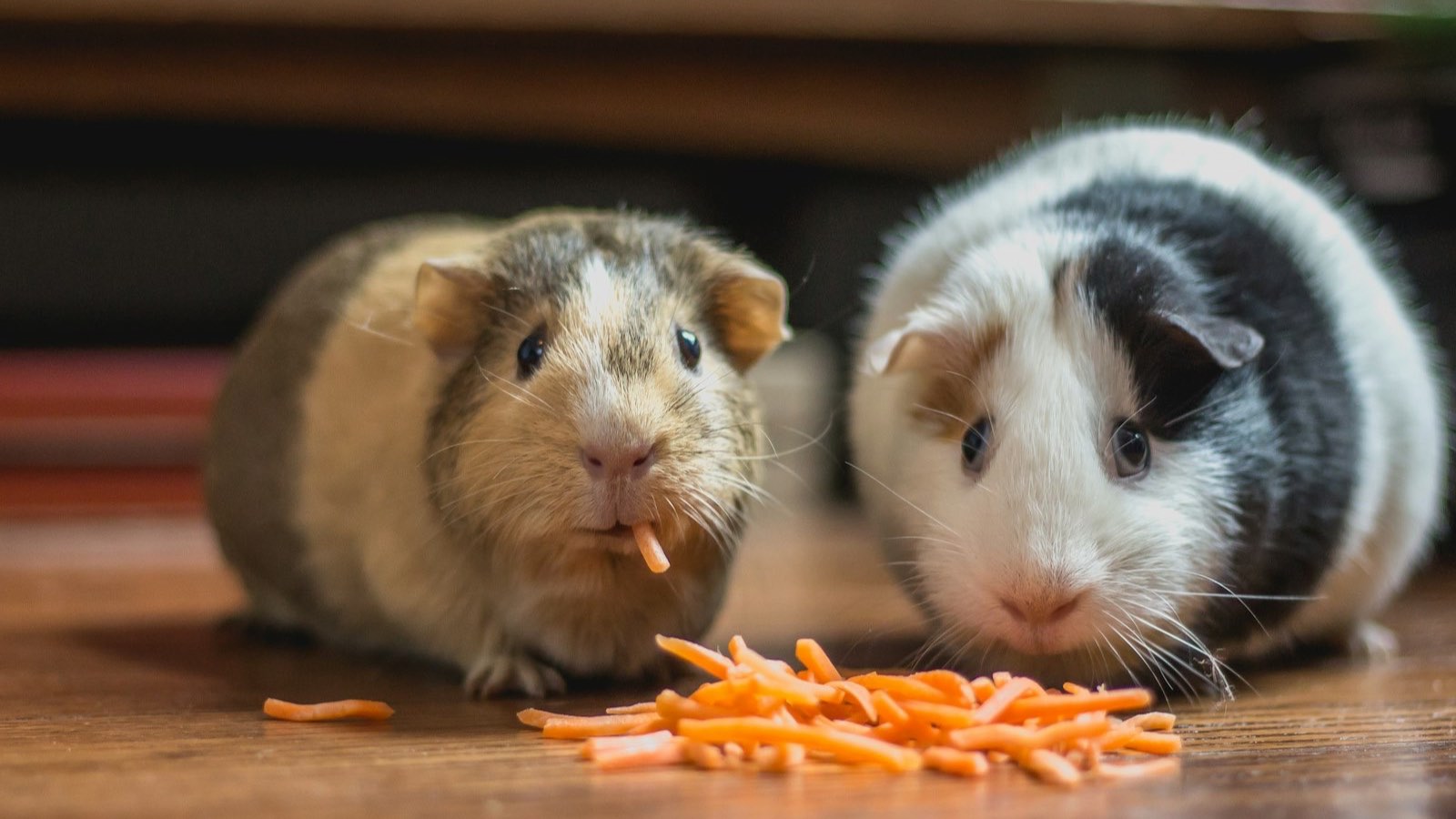
First car ride with a guinea pig
Published by Planète Pets · managing editor: Clément Lacaille · how our guides are written
The guinea pig ranks among the most transport-sensitive pet rodents, largely because it communicates heavily through vocalisation and reacts strongly to any sudden change in its acoustic environment. A poorly prepared first ride can leave a lasting mark. Our transport tips are gathered in the rodent transport and safety section.
Contents · 5 sections
What the research says about stress vocalisations
A study by Berryman, published in 1976 in the journal Zeitschrift für Tierpsychologie on the structure and function of guinea pig vocalisations, found that certain sharp, repeated calls specifically signal distress or negative anticipation, distinct from sounds made during positive social interactions (see the study). Learning to recognise these calls during a ride helps tell passing anxiety apart from genuine distress that would warrant pulling the car over.
Choosing and preparing the carrier
A rigid, well-ventilated carrier large enough for the animal to turn around in, lined with absorbent hay, limits sliding during braking. Getting a guinea pig used to this carrier several days before departure, as described in our guide to getting a rodent used to its carrier, noticeably eases anxiety on the day itself.
During the ride
Wedging the carrier so it cannot slide sideways, keeping it out of direct sunlight and away from an air-conditioning vent, and keeping the music low avoids adding a sound-related stressor on top of the engine noise already present. A small amount of fresh vegetable can occupy the animal on a trip longer than an hour, though water alone is enough for a short journey.
Upon arrival
Leaving the guinea pig in its carrier for a few minutes in a quiet spot before handling it lets its heart rate settle gradually. For longer trips, our article on the right travel carrier for a small rodent covers sizing criteria based on expected duration.
Frequently asked questions
Can a guinea pig travel on the passenger seat?
No, the carrier should always be wedged on the floor or secured with a seatbelt, never held on someone's lap or set on an unsecured seat.
Should the carrier be covered during the ride?
A light cloth over part of the carrier often reassures the animal by reducing visual stimulation, as long as ventilation stays adequate.
How long before departure should feeding stop?
Unlike some other species, no fasting is needed; a guinea pig tolerates a prolonged interruption of its digestive transit poorly. Browse all our guides on the rodent hub.
In our shop, for this use: Bubble-window carrier backpack for dwarf rabbit, guinea pig or ferret (€47.90) · the whole shop
This guide is part of Planète Pets’s Rodents universe. Our advice is general in nature: for any health concern, your veterinarian remains the only reference.