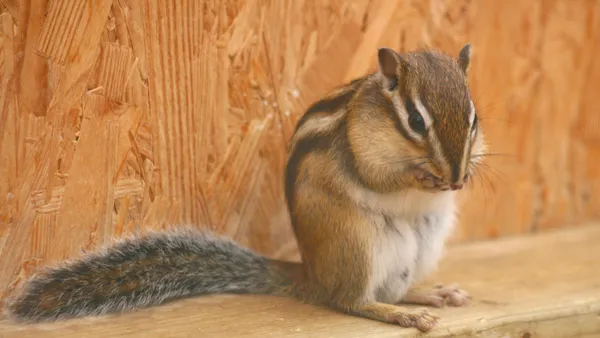
Escaped Siberian chipmunk: why a single getaway is a real ecological problem
Published by Planète Pets · managing editor: Clément Lacaille · how our guides are written
An escaped Siberian chipmunk isn't just a worry for its owner: in several French forests, whole populations have taken hold after escapes or releases, with measurable ecological consequences. Find our travel and safety guidance in the rodent travel and safety section.
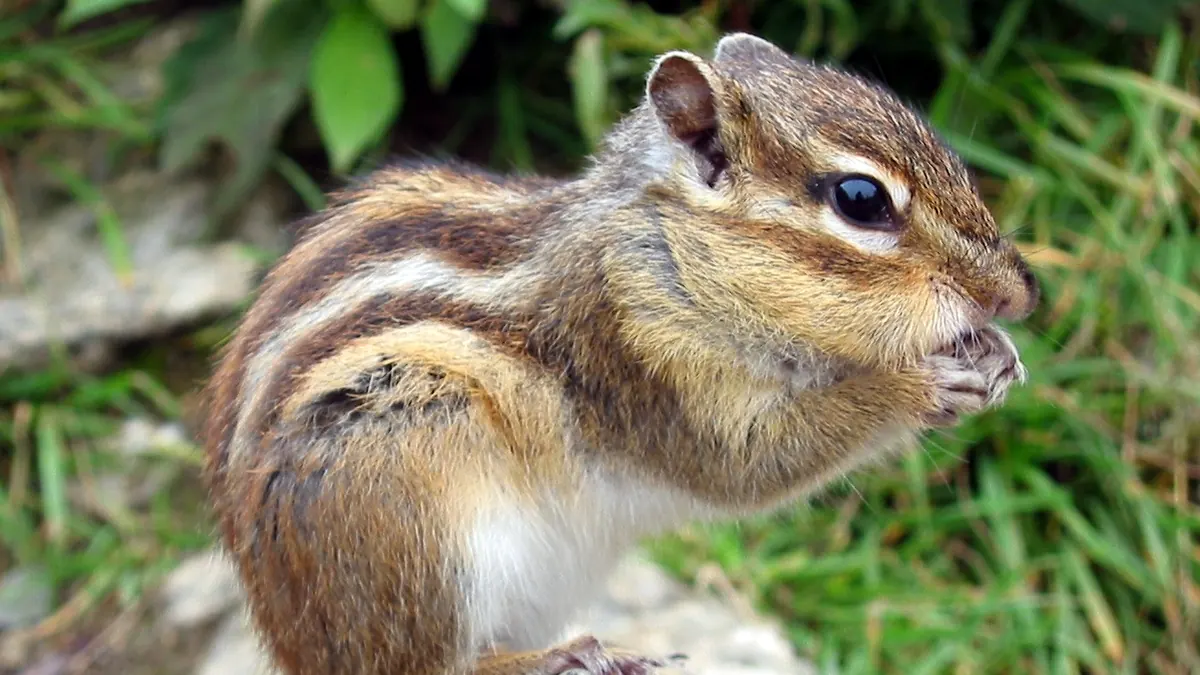
An invasive population tracked scientifically in a forest near Paris
Marsot, Chapuis, Gasqui, Dozières, Masséglia, Pisanu, Ferquel, and Vourc'h published a study on the introduced Siberian chipmunk population of the Sénart forest, near Paris, in the journal PLoS ONE in 2013. Originating from pets that escaped or were released in the 1970s, this population became firmly established, and the researchers measured a higher prevalence of tick-borne pathogens in areas where the species is present compared with areas without Siberian chipmunks.
What this means for aviary safety
Beyond simply losing the animal, a Siberian chipmunk's escape can therefore have an impact that reaches well beyond the household: every released or escaped individual can contribute to a lasting wild population taking hold. Regulations around keeping this species are strict precisely because of this documented risk.
- Check the aviary's latches regularly, especially after cleaning or moving accessories around.
- Never open the aviary in an unsecured room, with doors and windows closed during handling.
- Never release an animal outdoors, even temporarily or during a difficult move, and contact an exotic-pet rescue as a last resort.
The right dimensions and safety features for the setup are covered in our guide on the Siberian chipmunk's aviary. This escape risk fits into the broader advice given for all rodents in our article on rodent-proofing your home against escapes.
Frequently asked questions
Is the Siberian chipmunk really considered an invasive species in France?
Yes, wild populations descended from escaped or released pets are established in several forests, making it a recognized concern in ecology.
What should I do if my Siberian chipmunk escapes anyway?
Actively try to recover it quickly inside the home, without ever letting it out outdoors or treating a prolonged escape as an acceptable outcome.
Does this escape concern apply only to the Siberian chipmunk?
No, staying vigilant is worthwhile for all pet rodents, but the Siberian chipmunk carries a documented ecological stake that calls for extra care. Find all our guides on the rodent hub.
This guide is part of Planète Pets’s Rodents universe. Our advice is general in nature: for any health concern, your veterinarian remains the only reference.