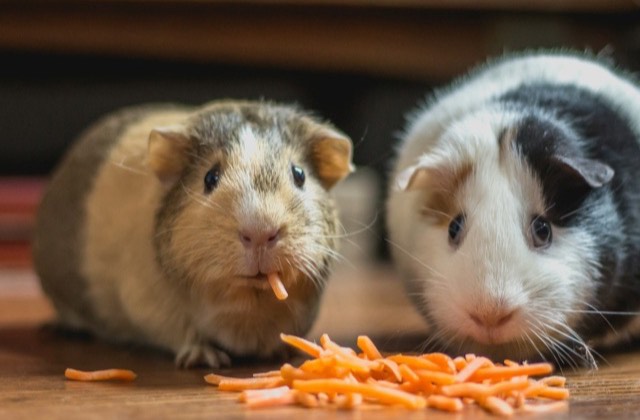
Rat laughter: tickling, play and psychological wellbeing
Published by Planète Pets · managing editor: Clément Lacaille · how our guides are written
Tickling a rat is not just a fond owner's anecdote: it is a behaviour studied for over twenty years in neuroscience. Researcher Jaak Panksepp and his team showed that tickling rats, especially on the belly and nape, triggers 50-kHz ultrasonic vocalizations, inaudible to human ears but recordable, associated with a pleasure state comparable to laughter. Rats even spontaneously return to the hand that tickles them, a classic sign of positive reinforcement. That's worth rethinking the role of play in a pet rat's daily life, a highly social species you'll also find in our rodent hub.
Contents · 4 sections
Recognising a rat that enjoys play
A relaxed, playful rat lets itself be flipped onto its back, comes back for more after a pause, and may perform small sideways hops called "freudensprünge" (joy jumps) between sessions. Conversely, a rat that freezes, nips sharply or consistently flees is not in a playful mood: that refusal should be respected, with other forms of enrichment offered instead, such as the digging games covered in our guide on digging and foraging enrichment for rats.
Building tactile play into the routine
A few minutes a day is enough: short strokes on the back and belly, a hand "chase" game under a light blanket, or gentle little nudges that mimic social play between cage mates. This contact builds trust, especially in a young or recently adopted rat, and usefully complements the material enrichment (tunnels, chew toys) covered in our article on pet rat enrichment toys and activities. A rat that associates the human hand with pleasure rather than fear is also easier to handle for routine care.
The limits of tickling
Not every rat enjoys this contact equally: stressed, sick or poorly handled individuals may experience it as an intrusion. It's best to start with very brief sessions, watch body language, and let the rat approach on its own rather than forcing it onto its back. Trust builds over several weeks, not in a single session.
Frequently asked questions
Do all rats like being tickled?
No. Well-socialised young rats respond best; some fearful adults prefer other forms of interaction such as hidden treats or a no-contact chase game.
Is rat laughter really comparable to human laughter?
Researchers remain cautious about the term, but the 50-kHz vocalizations share reward-related brain circuits with those involved in pleasure in other mammals, including humans.
What if my rat nips during play?
A light, painless nip is often part of the play; a hard bite signals stress or overstimulation, in which case you should stop and try again more gently the next day.
An accessory from our shop for this use: Hanging chew garland for rabbits and rodents (€17.90) · the whole shop
This guide is part of Planète Pets’s Rodents universe. Our advice is general in nature: for any health concern, your veterinarian remains the only reference.