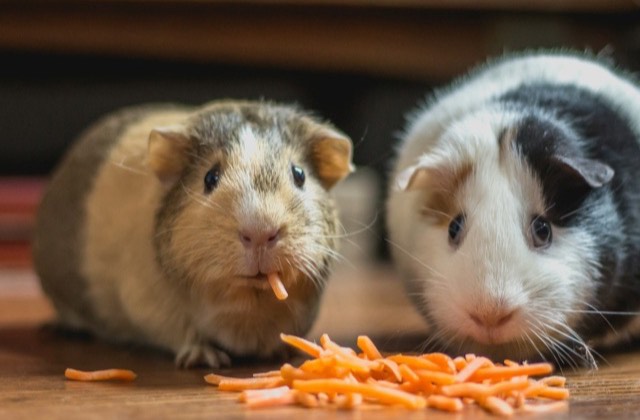
Guinea pigs: why living in a group lowers physiological stress
Published by Planète Pets · managing editor: Clément Lacaille · how our guides are written
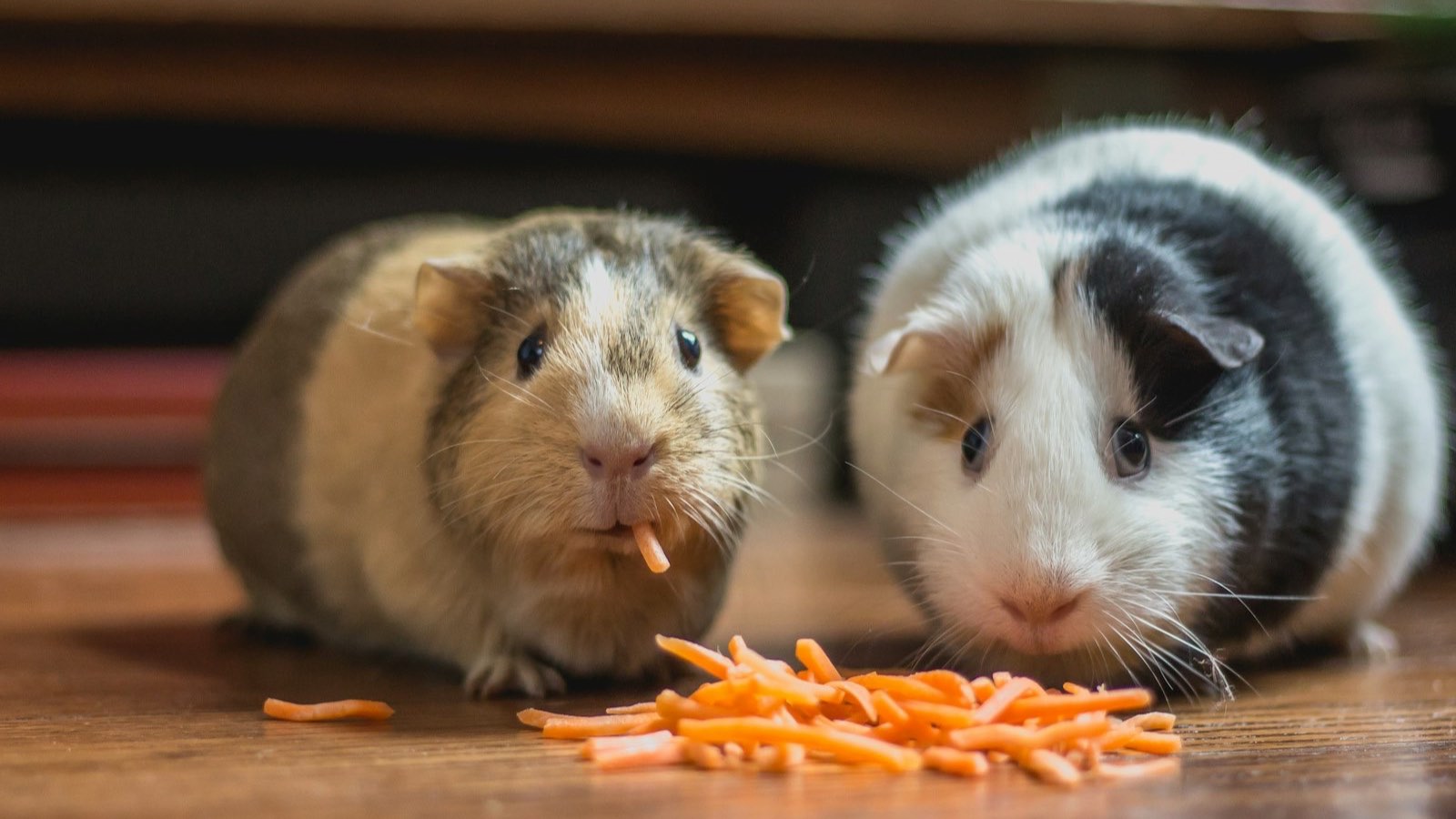
For guinea pigs, having a companion isn't just about social comfort — it directly affects stress physiology. Sachser reviewed decades of research on guinea pig sociophysiology in 1998, in the journal Naturwissenschaften, showing that the mere presence of a familiar partner blunts the hormonal stress response to a novel situation, an effect known as social buffering (see the study). Find our comparisons in the bedding and habitat section.
Contents · 4 sections
A measurable effect, not just an impression
This social buffering isn't just a behavioral impression: it shows up as a smaller cortisol rise in an accompanied guinea pig compared with an isolated individual placed in the same novel situation. The species also remains largely diurnal and gregarious even in its domestic form, a direct legacy of its original social organization that solitary housing flatly contradicts.
A companion, not just any company
The buffering effect this research documents assumes a stable relationship between compatible individuals, not forced cohabitation: two females or a neutered male-female pair generally work better than two unfamiliar males introduced late. Our guide on choosing between a guinea pig alone or in pairs covers the compatibility criteria to check before any introduction.
What this means for housing
Taking in a pair means significantly more floor space, not just an extra bowl squeezed into a cage sized for one: our guide on guinea pig cage size covers the minimum floor area recommended depending on how many guinea pigs share it.
Frequently asked questions
Does a lone guinea pig necessarily suffer?
An isolated individual can survive without a companion, but it remains exposed to higher physiological stress during novel situations, without the social buffering a familiar cagemate provides.
Can a human replace that role?
Regular, positive human interaction brings real benefit, but it doesn't reproduce the specific buffering effect documented between individuals of the same species.
Does pairing require neutering?
Neutering a male makes a stable mixed-sex pairing far easier and avoids unwanted litters, a point worth planning for before any long-term introduction.
See it in the Planète Pets shop: Bubble-window carrier backpack for dwarf rabbit, guinea pig or ferret (€47.90) · the whole shop
See it in the Planète Pets shop: Electric pet heating pad 45 × 45 cm (17.7 in) with chew-resistant cord ($48.90, ships from the US) · the US shop
This guide is part of Planète Pets’s Rodents universe. Our advice is general in nature: for any health concern, your veterinarian remains the only reference.