A mouse can learn fear just by watching a stressed cagemate, a Korean study shows
Published by Planète Pets · managing editor: Clément Lacaille · how our guides are written
A pet mouse's wellbeing doesn't only depend on what it experiences directly: it also depends on what it observes happening to its cagemates. A Korean study measured just how powerful this mechanism is in this species. Find our daily care guidance in the rodent care and grooming section.
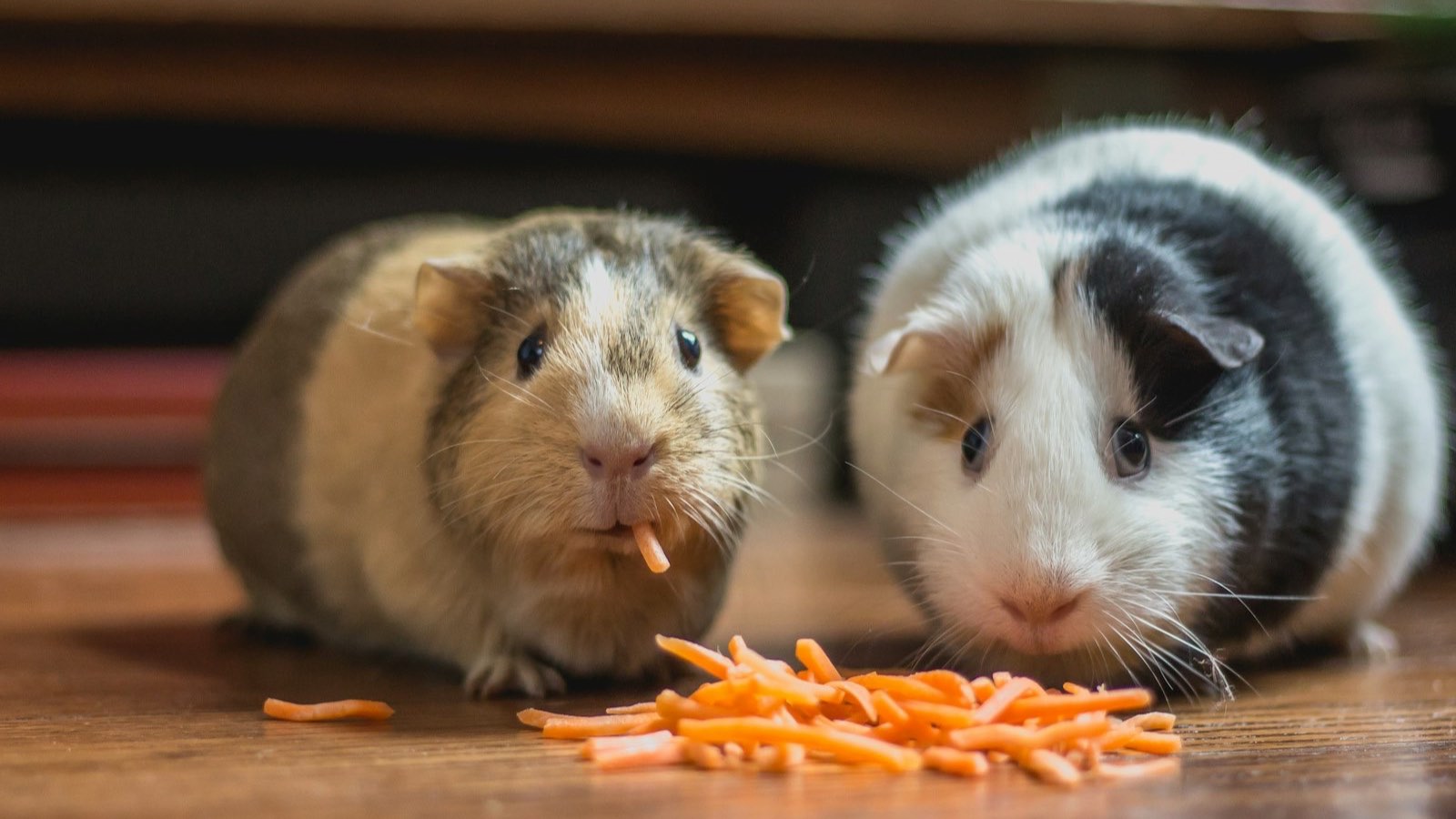
A study on fear learning through observation
Jeon, Kim, Chetana, Jo, Ruley, Lin, Rabah, Kinet, and Shin published a study on observational fear learning in mice in the journal Nature Neuroscience in 2010. The researchers measured that a bystander mouse, simply by watching a cagemate receive an unpleasant stimulus, went on to develop a fear response to the same context, an outcome involving the same brain circuit as directly experienced pain.
What this means for managing a group
This finding confirms that stress, in mice, spreads well beyond the individual directly affected. A group housed together doesn't behave like a sum of independent individuals: a stressful event experienced by a single mouse (rough handling, a sudden noise, a perceived predator) can leave an emotional trace in the other members of the group, even without direct contact with the source of the stress.
- Handle each mouse calmly and consistently, avoiding abrupt movements that could alarm the whole group present.
- Watch the group as a whole after a stressful event, not just the individual directly involved.
- Only temporarily separate a clearly affected mouse if necessary, keeping in mind that it remains a social animal.
This group-level vigilance rounds out the guidance covered in the fancy mouse profile and on the fancy mouse care and grooming page. Our article on whether to adopt several mice covers the species' social needs.
Frequently asked questions
Does this only apply to laboratory mice?
No, pet mice share the same biology; this emotional contagion mechanism applies to any group housed together.
Should every stressful event be avoided around the group?
That's not always possible, but limiting abrupt movements and sudden noises remains the best prevention for every mouse present.
Is a mouse housed alone protected from this risk?
It avoids the emotional contagion, but at the cost of social isolation that goes against the species' needs; housing mice together remains preferable in most cases. Find all our guides on the rodent hub.
An accessory from our shop for this use: Ceramic hideout for hamsters and small rodents (11.5 × 9 × 8.5 cm) (€24.90) · the whole shop
This guide is part of Planète Pets’s Rodents universe. Our advice is general in nature: for any health concern, your veterinarian remains the only reference.