A mother guinea pig recognizes her own pups' calls, a German study shows: what this means for the litter
Published by Planète Pets · managing editor: Clément Lacaille · how our guides are written
The high-pitched call a young guinea pig makes when separated from its mother isn't just background noise: it's a precise signal the mother responds to differently depending on how many pups she's raising. Find our daily care guidance in the rodent care and grooming section.
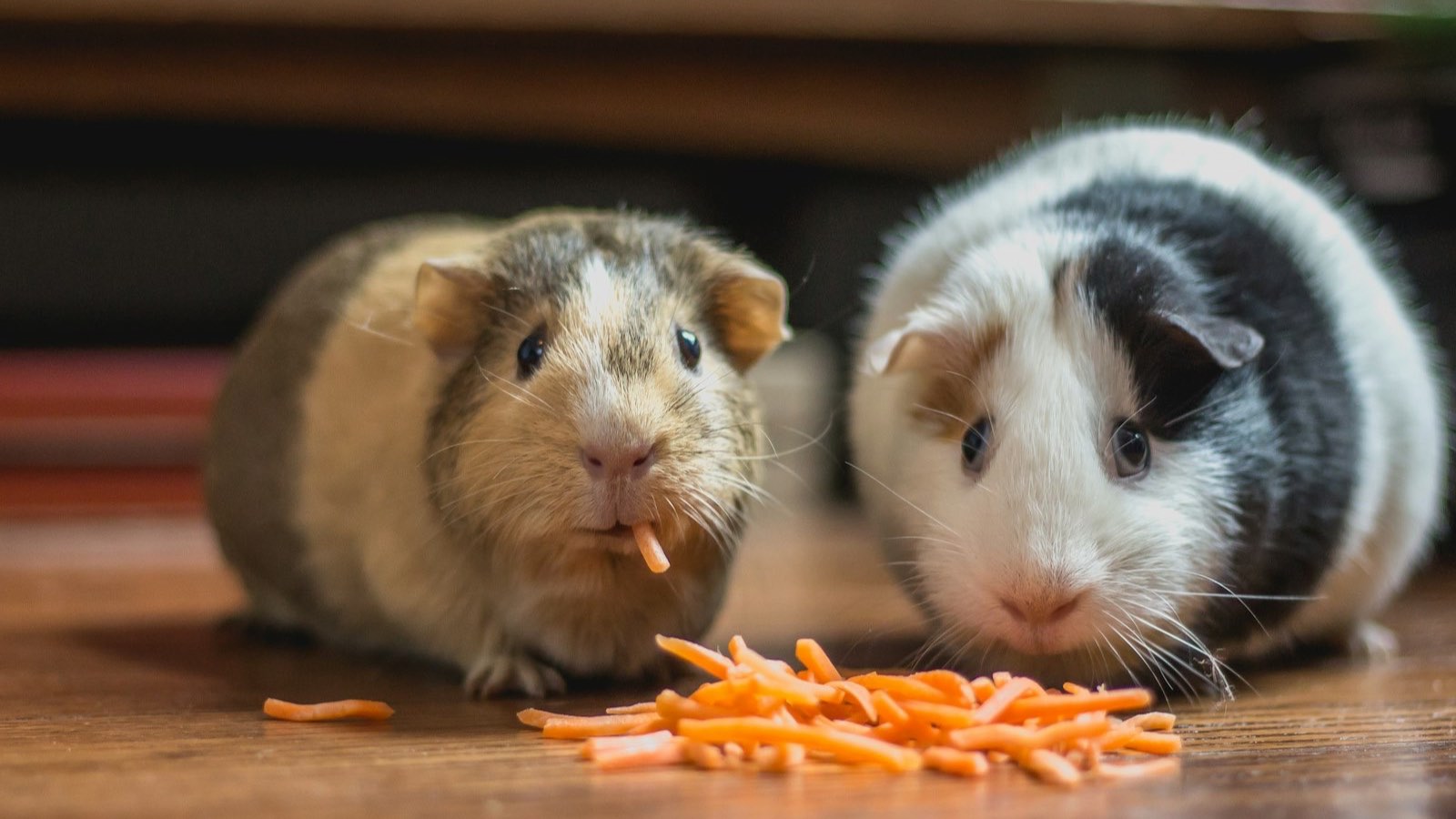
A German study on maternal response to distress calls
Kober, Trillmich, and Naguib published a study on vocal communication between mothers and pups in guinea pigs in the journal Frontiers in Zoology in 2008 (see the study). By playing back recordings of separation calls to mothers artificially raising either two or four pups, the researchers measured that mothers of four-pup litters responded more strongly and kept that response level for longer than mothers of two-pup litters, whose responsiveness dropped off by day eight.
What this means for a litter at home
This study confirms that a mother guinea pig finely tunes her investment to her actual workload, rather than responding the same way to every pup regardless of litter size. For an owner raising a litter, this means a small litter can see maternal availability drop off earlier than expected, which is reason enough to watch each pup's weight and behavior closely from the second week onward, not just in the very first days.
- Weigh each pup regularly starting in the first week, especially in smaller litters where the mother may become less available sooner.
- Don't panic over a single isolated call: the mother is responding to a genuine distress signal, not to every vocalization from the group.
- Limit unnecessary handling during the first few weeks so as not to add extra separations on top of the litter's already-natural calls.
This mechanism rounds out the profile covered in the guinea pig profile and on the guinea pig care and grooming page. Our article on weaning baby rodents covers the exact timeline for this period.
Frequently asked questions
Should you step in if the mother seems less responsive after a week?
Not necessarily: this drop in responsiveness, measured mainly in smaller litters, is part of normal development as long as the pups are growing well.
Does this apply to a litter of a single pup?
The study only tested litters of two and four, but the underlying principle — adjusting to maternal workload — is still good reason to stay attentive whatever the litter size.
Does the father guinea pig play a role in this response?
No, in this species pup care falls almost entirely to the mother; the male doesn't take part in responding to distress calls. Find all our guides on the rodent hub.
An accessory from our shop for this use: Hanging chew garland for rabbits and rodents (€17.90) · the whole shop
This guide is part of Planète Pets’s Rodents universe. Our advice is general in nature: for any health concern, your veterinarian remains the only reference.