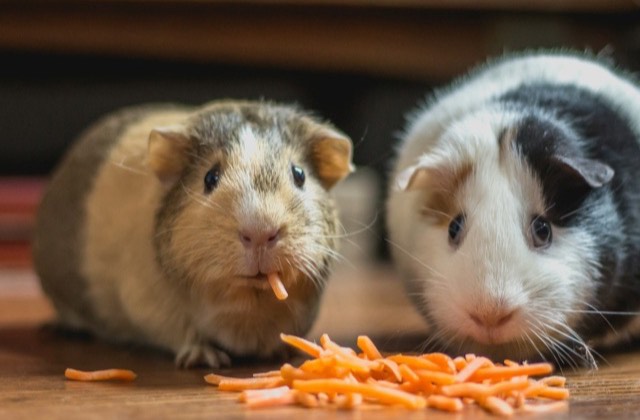
The ageing guinea pig: adapting habitat and care
Published by Planète Pets · managing editor: Clément Lacaille · how our guides are written
How do you support an ageing guinea pig? From age 4 to 5 (out of a 5-to-8-year lifespan), the animal slows down: it is time to lower the obstacles, soften the bedding, weigh it weekly and schedule more frequent vet visits. Our senior-friendly equipment is in the care and grooming category.
Contents · 5 sections
Which signs show it is ageing?
- It moves around less and hesitates at ramps: arthritis is common.
- It loses weight or picks around hard food: dental wear or malocclusion.
- The coat dulls, grooming grows sloppier, especially the rear end.
- It drinks more: report it to the vet (kidneys).
- The footpads redden: prolonged standing weakens the heels.
How do you adapt a senior's enclosure?
Everything at floor level: remove platforms and steep ramps, bring hay, water and hideouts closer to shorten the journeys. Switch to thicker, softer bedding, or even padded fleece liners that prevent pressure sores — the bumblefoot risk rises with age and weight, as explained in wire flooring and bumblefoot. Keep the room between 18 and 22 °C: an old animal regulates its temperature poorly.
Should you change its diet?
Hay remains the absolute foundation, but a senior with worn teeth appreciates softer hay (second cut) and finely chopped vegetables. Daily vitamin C becomes even more critical: fresh bell pepper every day, and a weekly weigh-in on a kitchen scale — a 50 g loss in one week justifies a consultation. If the animal can no longer eat enough on its own, the exotics vet will prescribe a syringe-fed recovery food.
What vet follow-up and budget should you plan?
Move to a check-up every 6 months (35 to 60 € per exotics consultation), with a systematic dental exam. Set aside 15 to 20 € per month: dental work under anaesthesia (150 to 300 €) and arthritis treatments are the typical old-age expenses. This comes on top of the guinea pig's monthly budget — better to have planned for it.
Frequently asked questions
Should a senior be separated from its lifelong companion?
No, except in cases of proven harassment: the companion's presence is a powerful stress reliever. Separate only on veterinary advice.
Can an elderly guinea pig still go out in a run?
Yes — gentle outings maintain muscles and joints: flat ground, grass or a mat, no obstacles, during the milder hours.
How do you know when quality of life has declined too far?
Three markers: does it eat with pleasure, move without pain, still interact? When two of the three are durably gone, have an honest conversation with your exotics vet.
See it in the Planète Pets shop: Bubble-window carrier backpack for dwarf rabbit, guinea pig or ferret (€47.90) · the whole shop
This guide is part of Planète Pets’s Rodents universe. Our advice is general in nature: for any health concern, your veterinarian remains the only reference.