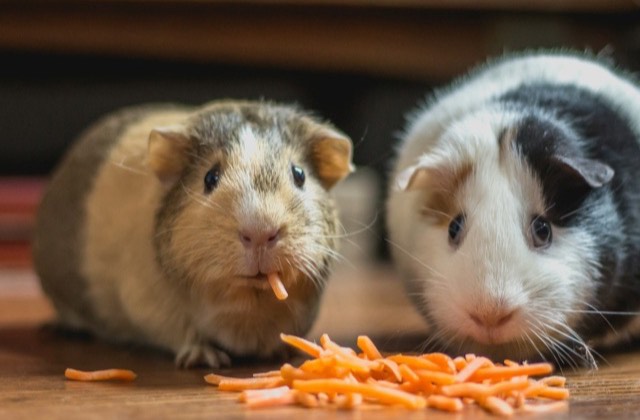
Heatstroke in guinea pigs, hamsters and chinchillas: preventing overheating
Published by Planète Pets · managing editor: Clément Lacaille · how our guides are written
Small rodents are among the pets most vulnerable to heat. They barely sweat, have a surface-to-volume ratio that heats them up quickly, and many are covered in dense fur. The chinchilla, native to the cool heights of the Andes, is an extreme case: above around 25 °C it is already struggling, and its heat sensitivity is well documented. Guinea pigs and hamsters are hardly more tolerant. Our other pointers are in the rodent care and grooming section.
Contents · 4 sections
Recognising heatstroke
An overheating rodent stretches out flat to shed heat, breathes fast, sometimes with an open mouth (an already advanced sign), drools, becomes apathetic and refuses to move. In chinchillas, red hot ears are an early signal. Heatstroke is a life-threatening emergency: past a certain point it causes irreversible internal damage.
Emergency moves
Move the animal to the coolest room, away from any direct draught. Cool it gradually: lightly dampen the feet and ears with cool (never iced) water, and offer water. Never immerse a rodent in shock and avoid any abrupt cooling, which worsens its state. Then contact a vet without delay, even if the animal seems to recover.
Keeping the cage cool all summer
Place the cage away from sunny windows and rooms that heat up. A ceramic or stone tile kept cool offers a cool surface to lie on; a frozen water bottle wrapped in a cloth creates a cool spot the animal freely chooses or avoids. For the chinchilla, a cool room is non-negotiable, as detailed in our article on the chinchilla's cool habitat. And if a trip is unavoidable, follow our tips on transporting rodents in hot weather.
Frequently asked questions
Can I put a fan in front of the cage?
No, a direct draught is ineffective on an animal that does not sweat and stresses the rodent. Cool the room instead and offer cool surfaces.
At what temperature should I worry?
The chinchilla is already struggling around 25 °C; guinea pigs and hamsters cope poorly with prolonged heat above 28 °C. Ventilation and shade come first.
Is a cooling pack in the cage safe?
Yes if well wrapped in a cloth and the animal can move away from it at will: it must never be in direct contact or forced upon it.
In our shop, for this use: Natural loofah chew carrot for rabbits and rodents, 20 cm (€17.90) · the whole shop
This guide is part of Planète Pets’s Rodents universe. Our advice is general in nature: for any health concern, your veterinarian remains the only reference.