Care and grooming for your dog: the gear that matters

Brushes, hygiene products, parasite control, habitat upkeep: your dog’s routine care happens at home, with the right equipment. Our guides separate the essential from the gimmick — and say when the vet, not the shop aisle, should have the answer.
🛒 Our picks from the shop
-
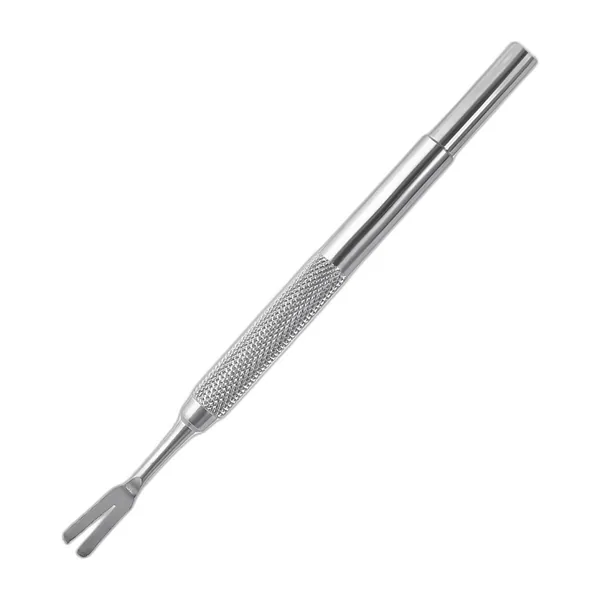 Stainless steel forked tick remover for dogs
€18.90
-
 Double-sided stainless steel dematting comb for dogs
€23.90
Choose an option -
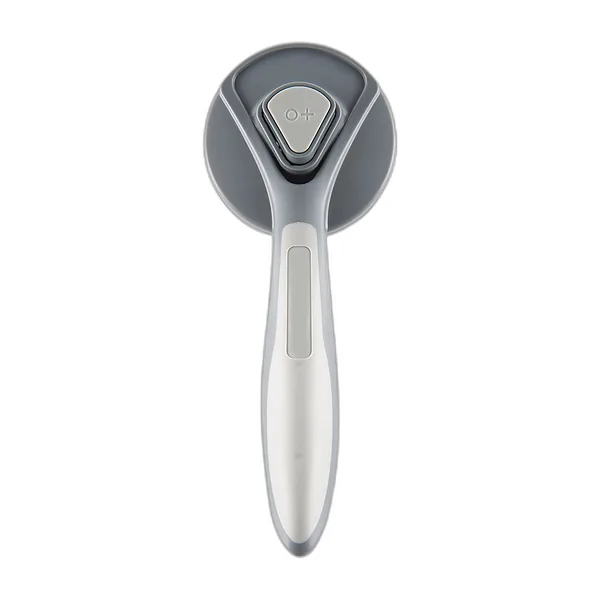 Self-cleaning stainless steel slicker brush for dogs
€25.90
Choose an option
Delivery in 8 to 15 working days, free from €49 (otherwise €4.90). See the whole shop
🛒 Our picks shipped from the US
-
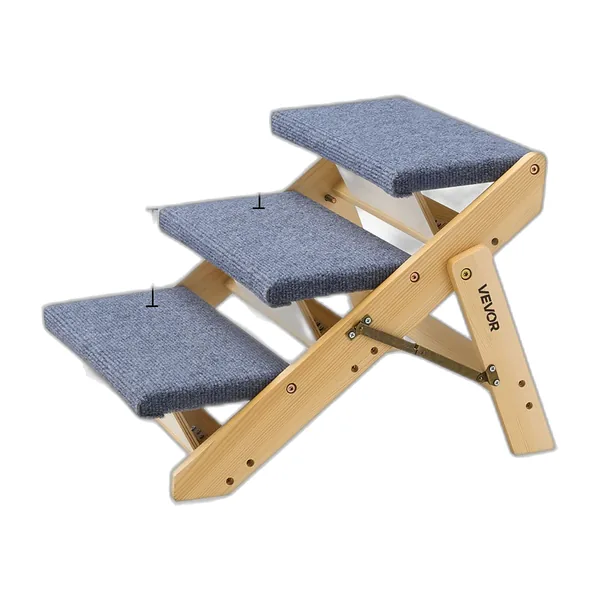 Folding 3-step wooden pet stairs for beds and sofas
$75.90
-
 Folding wire dog crate 24 in (61 cm), single door, with tray
$62.90
-
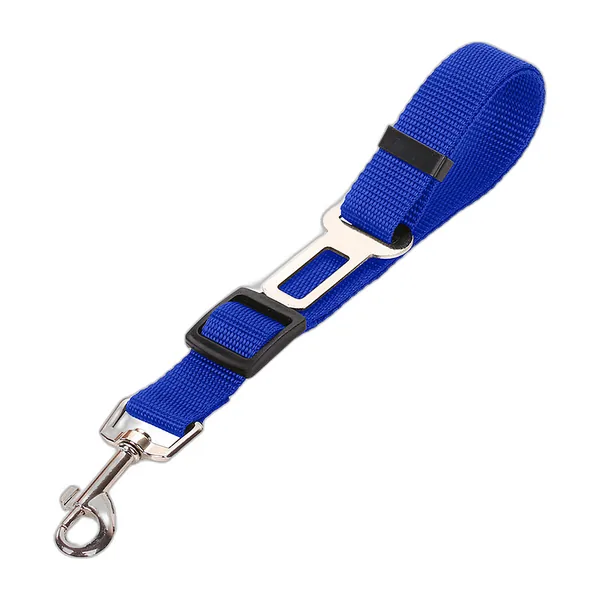 Adjustable dog car seat belt tether
$21.90
Choose an option
Ships from a US warehouse in 4 to 10 business days, free delivery within the United States. See the US shop
🩺 Our hygiene and health advice stays general: it never substitutes for an examination by a veterinarian, the only person qualified to advise on your animal.
The key point : Coat-appropriate brushing, dog-pH shampoo (never yours) and regular parasite treatment: three habits that prevent half of all emergency grooming visits.
Read first
Our dedicated guides
- Why does my dog eat grass? What the research actually says
Dog eating grass: what two studies show about how common the behavior is, its link with vomiting, and the cases that should raise concern.
- Separation anxiety in dogs: what does research show, what actually helps?
Dog separation anxiety: what a veterinary study reveals about how common it is, its risk factors, and the solutions that actually work.
- Alaskan malamute coat care: managing the double coat
How do you care for an Alaskan malamute's coat? Brushing the double coat, handling the two annual moults, bathing, and why you must never shave it.
- Pet insurance for dogs: how much does it cost, and is it worth it?
Dog health insurance: average prices by plan, the cases where it truly pays off, and what it usually doesn't cover. The budget guide to deciding with confidence.
- Siberian Husky Coat Care: Shedding and the Double Coat
How do you care for a Siberian husky's coat? Brushing the double coat, managing seasonal shedding, and why you must never shave it.
- Australian Shepherd Coat Care: Brushing and Shedding
How do you care for an Australian shepherd's coat? Regular brushing, managing undercoat shedding, the right tools and why you should never shave this double-coated dog.
- Grooming an English Cocker Spaniel: Floppy Ears to Watch
How should you care for an English Cocker Spaniel's ears? Why its long, floppy ears favour ear infections, and the right cleaning routine.
- Grass awns and foxtails: the summer danger every dog owner should know
Grass awns migrate into a dog's skin, ears and paws in summer. Why it is an emergency, how to check your dog and when to see the vet.
- Nail grinder or clippers: which option for a dog who hates it?
Overgrown nails, a dog who panics the moment the clippers come out: is a nail grinder really gentler? Pros, limits and a method for a stress-free session.
- Dog boots: protecting paw pads from road salt, snow and hot asphalt
Sole, fit, exact sizing: how to choose dog boots and protect paw pads against de-icing salt, snow and scorching asphalt.
- Deworming a dog: how often, and how to do it stress-free
Roundworm, tapeworm: intestinal parasites affect a sizeable share of dogs, even well-monitored adults. Recommended frequency and methods to give a dewormer without a fight.
- Bathing glove for dogs: does it really groom better at shampoo time?
Rubber glove versus a plain soapy hand: the choice affects both how well the wash works and how a sometimes reluctant dog experiences bath time.
- Which clippers should you choose to groom your dog at home?
Short coat, long coat or double coat: the criteria for choosing home clippers, cutting your grooming budget and avoiding mistakes that damage the coat.
- Caring for a shar-pei's skin folds: the anti-dermatitis routine
The shar-pei's signature folds trap moisture easily. Cleaning frequency, drying and suitable products: the routine that prevents skin fold dermatitis.
- Bernese mountain dog: the health issues to anticipate and the budget to plan
The Bernese mountain dog is endearing but fragile: cancer, dysplasia and a short lifespan weigh on the care budget. What to anticipate before you adopt.
- Border collie: genetic conditions, DNA tests and health budget
The border collie is robust but carries several DNA-testable hereditary diseases. Which to watch, how to prevent them and what budget to plan.
- Weimaraner: bloat, bone disease and fragilities to know
The Weimaraner combines two notable risks: gastric dilatation-volvulus and puppy hypertrophic osteodystrophy. What to watch and budget for.
- Saint Bernard: a giant dog's health, what to anticipate
The Saint Bernard pays for its giant size with a short lifespan and joint and digestive risks. The health items to anticipate and the care budget to plan.
- Newfoundland: heart, urinary stones and hips to watch
The Newfoundland carries three hereditary predispositions: aortic stenosis, cystinuria and hip dysplasia. What to screen for and the care budget to plan.
- Rottweiler: bone, joints and neutering, what to anticipate
The rottweiler is prone to bone cancer, cruciate ligament rupture and a puppy neurological disease. What the science says and the care budget to plan.
- Shiba inu: eyes, skin and hereditary conditions to anticipate
The shiba inu is hardy but prone to glaucoma, atopic dermatitis and a hereditary storage disease. What to watch and the health budget to plan.
- Golden retriever: the cancer risk to know before you adopt
The golden retriever carries one of the highest cancer risks of any dog breed. What genetic research shows and the care budget to plan.
- Boxer: heart and colon, the hereditary fragilities to anticipate
The boxer combines two well-documented predispositions: a hereditary heart disease and an inflammatory colitis almost exclusive to the breed. What to know before you adopt.
- Chihuahua: knees, fontanelle and small size, what to anticipate
The chihuahua is prone to patellar luxation and sometimes has an open fontanelle worth watching. What research shows and the care budget to plan.
- Yorkshire terrier: trachea and teeth, the fragilities to anticipate
The Yorkshire terrier is the breed most affected by tracheal collapse and also faces early dental problems. What to watch and the budget to plan.
- Poodle: skin and sebaceous adenitis, a condition worth knowing
The standard poodle is among the breeds most affected by sebaceous adenitis, a chronic skin disease. What research shows and the care budget to plan.
- Australian Shepherd: the MDR1 mutation that changes drug tolerance
The Australian Shepherd is one of the breeds where the MDR1 mutation is common, carrying a risk of severe toxicity to certain everyday medications. What the genetics show and how to adapt veterinary care.
- Basset Hound: why those floppy ears need particular care
The Basset Hound combines long, floppy ears with a poorly ventilated ear canal, a breeding ground for recurring ear infections. What veterinary research shows and how to cut down on flare-ups.
- Pugs and heatstroke: a very real risk, per UK vets
The Pug ranks among the breeds most at risk of heatstroke, reaching danger levels at only moderate temperatures. What a large veterinary study shows and how to prevent the emergency.
- Doberman: dilated cardiomyopathy and why early screening matters
The Doberman is one of the breeds most affected by dilated cardiomyopathy, a disease that can progress for years without visible symptoms. What a landmark German study shows and why regular screening changes the outlook.
- English Bulldog: understanding brachycephalic obstructive airway syndrome
The English Bulldog is one of the breeds most affected by the obstructive breathing syndrome linked to its build. What a landmark PLOS ONE study shows and how to ease breathing difficulty day to day.
- Leonberger: genetic polyneuropathy and the value of DNA screening
The Leonberger is one of the few breeds where a hereditary polyneuropathy has been pinned down at the genetic level. What an international study shows and how a DNA test helps guide breeding and monitoring.
- Trimming your dog’s nails yourself: good or bad idea?
Equipment, technique, risks of cutting too short, groomer prices: should you trim your dog’s nails yourself or delegate, and how to go about it without hurting them.
- Dog grooming budget: salon or at home, how much does it cost?
Salon prices by size, cost of home equipment, frequency by coat type: a dog’s yearly grooming budget and smart ways to bring it down.
- Senior dogs: adapting everyday equipment and care
Suitable bedding, non-slip floors, more frequent grooming, mobility aids: how to adapt a senior dog’s equipment to preserve its everyday comfort.
- Samoyed: X-linked hereditary nephritis and the value of genetic screening
The Samoyed gave rise to a landmark genetic model for X-linked hereditary nephritis. What a study published in PNAS shows and why screening matters especially for this breed.
- West Highland White Terrier: idiopathic pulmonary fibrosis, a breed-specific disease
The West Highland White Terrier is the breed most associated with a form of chronic pulmonary fibrosis. What a landmark UK study shows and the signs that should raise a flag day to day.
- Doberman: dilated cardiomyopathy and the value of regular screening
The Doberman carries one of the highest prevalence rates of dilated cardiomyopathy among dog breeds. What a landmark German study shows and why regular cardiac screening makes a real difference.
- Rhodesian Ridgeback: dermoid sinus, a malformation linked to the breed's ridge
The Rhodesian Ridgeback's signature ridge shares its genetic origin with a congenital malformation, dermoid sinus. What a landmark Swedish study published in Nature Genetics shows.
- Scottish Terrier: bladder cancer and the role of herbicide-treated lawns
The Scottish Terrier carries one of the highest bladder cancer risks among dog breeds. What a landmark US study on lawn herbicide exposure shows and how to reduce the risk.
- Great Pyrenees: body weight, osteosarcoma risk and monitoring
Body weight is the strongest osteosarcoma risk factor identified in dogs, which puts giant breeds like the Great Pyrenees at the front line. What a recent UK study shows.
- Beagle: idiopathic epilepsy, a well-documented genetic predisposition
The Beagle is one of the breeds most extensively studied for idiopathic epilepsy. What a landmark study on a breed colony shows and how to support an epileptic dog day to day.
- Chow Chow: entropion, eyelids and monitoring the skin folds
The Chow Chow shows one of the highest entropion prevalences among dog breeds according to a recent UK study. What to watch for day to day to protect its eyes.
- Akita: uveodermatologic syndrome and caring for depigmented skin
The Akita carries a documented genetic risk for uveodermatologic syndrome. What the landmark study shows and how to protect depigmented skin and eyes day to day.
- German Shorthaired Pointer: hereditary cone degeneration and monitoring daytime vision
The German Shorthaired Pointer is one of the reference breeds for research into cone degeneration. What the founding study shows and how to adjust daily life for a dog dazzled by daylight.
- Australian Shepherd: the MDR1 mutation and precautions before any treatment
One in two Australian Shepherds carries at least one copy of the MDR1 mutation, which makes them abnormally sensitive to certain common medications. What the landmark study shows and how to keep treatments safe.
- Greyhound: barbiturate sensitivity and precautions before anaesthesia
A landmark study shows the Greyhound recovers far more slowly than other dogs after standard barbiturate anaesthesia. Why this delay happens and how to keep any surgical procedure safe.
- Rottweiler: neuter age, osteosarcoma risk and the monitoring to favour
A landmark study in the Rottweiler links the age at neutering to bone cancer risk. What the data shows and how to support joint comfort day to day in a dog worth watching.
- German Shepherd: degenerative myelopathy (SOD1) and mobility gear
Degenerative myelopathy is a late-onset neurological disease of the German Shepherd, tied to an identified SOD1 gene mutation. What the landmark study shows and which gear supports a dog losing use of its hind legs.
- Shar-Pei: familial fever linked to the folds (HAS2) and health monitoring
In the Shar-Pei, the thick folds that define the breed are genetically tied to a recurrent inflammatory fever. What the landmark study shows and how to monitor an affected dog.
- Jack Russell Terrier: lens luxation (ADAMTS17) and genetic testing
In the Jack Russell Terrier, a hereditary mutation in the ADAMTS17 gene weakens the fibres that hold the lens in place. What the landmark study shows and why testing changes veterinary follow-up.
- Labrador: the POMC gene mutation behind its appetite, and the role of the slow-feeder bowl
Nearly one Labrador in four carries a POMC gene mutation linked to a stronger appetite and higher risk of weight gain. What the landmark study shows and how to adjust feeding for an affected dog.
- Dog dental care: brushing, toothpaste and chew toys, what actually works?
Brushing, toothpaste, chew toys, scaling: the complete guide to canine dental care, preventing tartar and periodontal disease.
- Dachshund IVDD: FGF4 genetics, screening and the real cost of care
FGF4 retrogene, chondrodystrophy, disc calcification scoring, daily prevention and the true cost of spinal surgery: the dachshund IVDD file explained.
- Basset hound: primary glaucoma, eye screening and the cost of care
Abnormal iridocorneal angle, gonioscopy, glaucoma as an emergency and inherited thrombopathia: the basset hound documented weaknesses and what they cost.
- Great Dane: dilated cardiomyopathy, heart screening and costs
Dilated cardiomyopathy is common in Great Danes. Warning signs, echo and Holter screening, osteosarcoma risk, cardiology follow-up costs and insurance.
- English cocker spaniel: familial nephropathy and kidney screening
Familial nephropathy in the English cocker spaniel is inherited and early-onset. COL4A4 DNA testing, kidney signs, prcd-PRA, costs and insurance.
- Alaskan malamute: chondrodysplasia and juvenile cataract screening
Chondrodysplasia and hereditary cataract in the Alaskan malamute: what the science says, how screening works, what to ask a breeder and the budget to plan.
- Maltese: caring for the white coat and the dental health of a toy breed
Daily combing, tear stains, bathing and above all teeth: the hygiene routine for a 3 kg Maltese, and why periodontal disease is the real risk in very small dogs.
- Akita: sebaceous adenitis, dull coat and early detection
Sticky scale, brittle hair, patches without itching: sebaceous adenitis particularly affects the Akita. What the studies show, how to spot it early and what treatment involves.
- Brittany Spaniel: the inherited conditions to know and how breeding stock is screened
Spinal muscular atrophy, complement C3 deficiency, hips: what the literature actually documents in the Brittany spaniel, and the tests to ask a breeder for before buying a puppy.
- Cavalier King Charles: mitral valve disease and the right age to start screening
One in two Cavaliers carries a heart murmur by five or six, nearly all of them by ten. What the Danish studies show, the auscultation schedule, and what echocardiography actually changes.
- Bichon Frise and itching: what the evidence really says about atopic dermatitis
Licked paws, red ears, chronic scratching: how to recognise atopic dermatitis in a Bichon Frise, what is actually proven about predisposed breeds, and which treatments hold up over years.
- Staffordshire Bull Terrier: the two DNA tests to insist on before buying a puppy
L-2-HGA and HSF4 hereditary cataract are two recessive conditions detectable from a simple cheek swab. What the studies show, what testing has already changed in the breed, and how to read a pedigree.
- Bernese Mountain Dog: check the joints to catch histiocytic sarcoma in time
Histiocytic sarcoma in the Bernese Mountain Dog has a localised form that grows around joints — often joints that were already diseased. Where to feel, when to worry, and what the studies show.
- Weimaraner: hypertrophic osteodystrophy in puppies and the vaccination schedule question
A Weimaraner puppy that limps with a fever between 3 and 6 months points to hypertrophic osteodystrophy. What the studies actually show about its immune background and about spacing vaccines.
- Newfoundland and subaortic stenosis: what 14 years of French screening changed
A French programme echocardiographed 921 Newfoundlands between 2010 and 2023. The result: 0.9% aortic stenosis, and no case at all in the final three years. What that means when buying a puppy.
- Saint Bernard: elbow dysplasia is a separate screening from hips
In the Saint Bernard, the anconeal process should fuse by 5 to 6 months. When it does not, the elbow deteriorates. Why elbow radiographs cannot be inferred from hip scores.
- Shiba Inu: GM1 gangliosidosis and why to insist on DNA-tested parents
Rare but fatal, GM1 gangliosidosis in the Shiba Inu is detected by a simple DNA test. What Japanese surveys actually measure in breeding stock, and what to ask a breeder for.
- Bull Terrier: hereditary nephritis is picked up by a urine test
A dominantly inherited kidney disease described as a model of Alport syndrome, bull terrier nephritis can be detected years before symptoms with a urine protein to creatinine ratio.
- Boxer: why every new lump under the skin should be aspirated
The Boxer is the breed most affected by cutaneous mast cell tumours in England. The good news: its tumours are more often low grade. Provided they are aspirated rather than watched.
- English Bulldog: more than 8 litters in 10 are born by caesarean
The figures are clear: whelping in the English Bulldog is almost always surgical. What that means before breeding a bitch, and why pregnancy is excluded from health policies.
- Great Dane: spotting wobbler syndrome before the fall
A floaty hind-end gait, worn nails, a stiff neck: in the Great Dane these signs point to cervical spondylomyelopathy. What imaging adds, and why the collar has to go.
- Border Collie: an idiopathic epilepsy more severe than average
In Border Collies, cluster seizures and status epilepticus are common. What the reference study shows, how to keep a useful seizure diary, and when it is a life-threatening emergency.
- Purebred or mixed-breed dog: is the inherited disease risk really higher?
Two large studies — one on 27,254 veterinary records, the other on more than a million genotyped dogs — show that the gap in inherited disease risk between purebred and mixed-breed dogs only applies to some conditions.
- Overlong nails: a 2.4-fold higher risk of toe injury
Across 1,081 agility dogs, long nails multiply the risk of a digit injury by 2.4. The weight-bearing mechanism explains why nail trimming is not a cosmetic question.
- Cocker spaniel ear infections: direct measurements never found the famous floppy-ear microclimate
The universal warm, humid ear canal explanation is not what studies actually measured. In cocker spaniels, a ceruminous gland trait stands out, present even before the first clinical signs.
- Dry shampoo for dogs: when and how to use it between baths?
Dry shampoo for dogs: when it's genuinely useful, how to apply it, and why it never replaces a proper bath.
- Dog scooting: 4.4% of dogs in one year across 104,212 records
A British cohort of 104,212 dogs quantifies anal sac disorders, the breeds affected and the treatments used. What it shows, and what it does not say about preventive expression.
- Dog ear cleaner: when and how should you use it?
Dog ear cleaner: how often to use it, the right technique, and the warning signs that call for a vet visit.
- “One dog year = seven human years”: DNA methylation gives a completely different curve
A 2020 study compared how dog and human DNA ages. The conversion it produced is not a multiplication: a one-year-old dog already matches a human of about 31.
- Ibuprofen, paracetamol: human medicines that are dangerous for dogs
Ibuprofen, paracetamol (acetaminophen), aspirin: why these human medicines are dangerous for dogs, the signs to watch for and what to do if one was swallowed.
- Processionary caterpillars and dogs: what to do and how fast
Did your dog touch a processionary caterpillar? Rinse the mouth without rubbing, call the vet: why every hour counts, the signs to watch and prevention.
- Toad poisoning in dogs: what to do if your dog licked or bit one
Is your dog drooling after mouthing a toad? Common toad or cane toad, the signs, how to rinse the mouth and when toad poisoning becomes an emergency.
- Rat poison, slug pellets, antifreeze: garage poisons and dogs
Rat poison, slug pellets, antifreeze: when signs appear, how long you have to act and how to store them safely. What every dog owner should know.
- Shaving a double-coated dog: good idea or bad idea?
Shaving a double-coated dog (husky, malamute, Australian shepherd…): what science shows about coat regrowth and the real risks involved.
- Flea and tick treatments for dogs: spot-ons, collars or tablets?
Fleas, ticks, mosquitoes: the pros, cons and prices of spot-ons, collars and tablets to protect your dog effectively against parasites.
- Which dog shampoo for which coat type?
Short, long or wiry coat, sensitive skin: how to choose a shampoo suited to your dog, how often to bathe it and at what price.
- Which dog brush for which coat type? The guide
Slicker brush, deshedding tool, comb or grooming glove: the right brushing tool for every coat type, for healthy fur and less hair around the house.
Care & grooming breed by breed: every dog profile covers this product family with that species’ own figures.