Care and grooming for your bird: the gear that matters
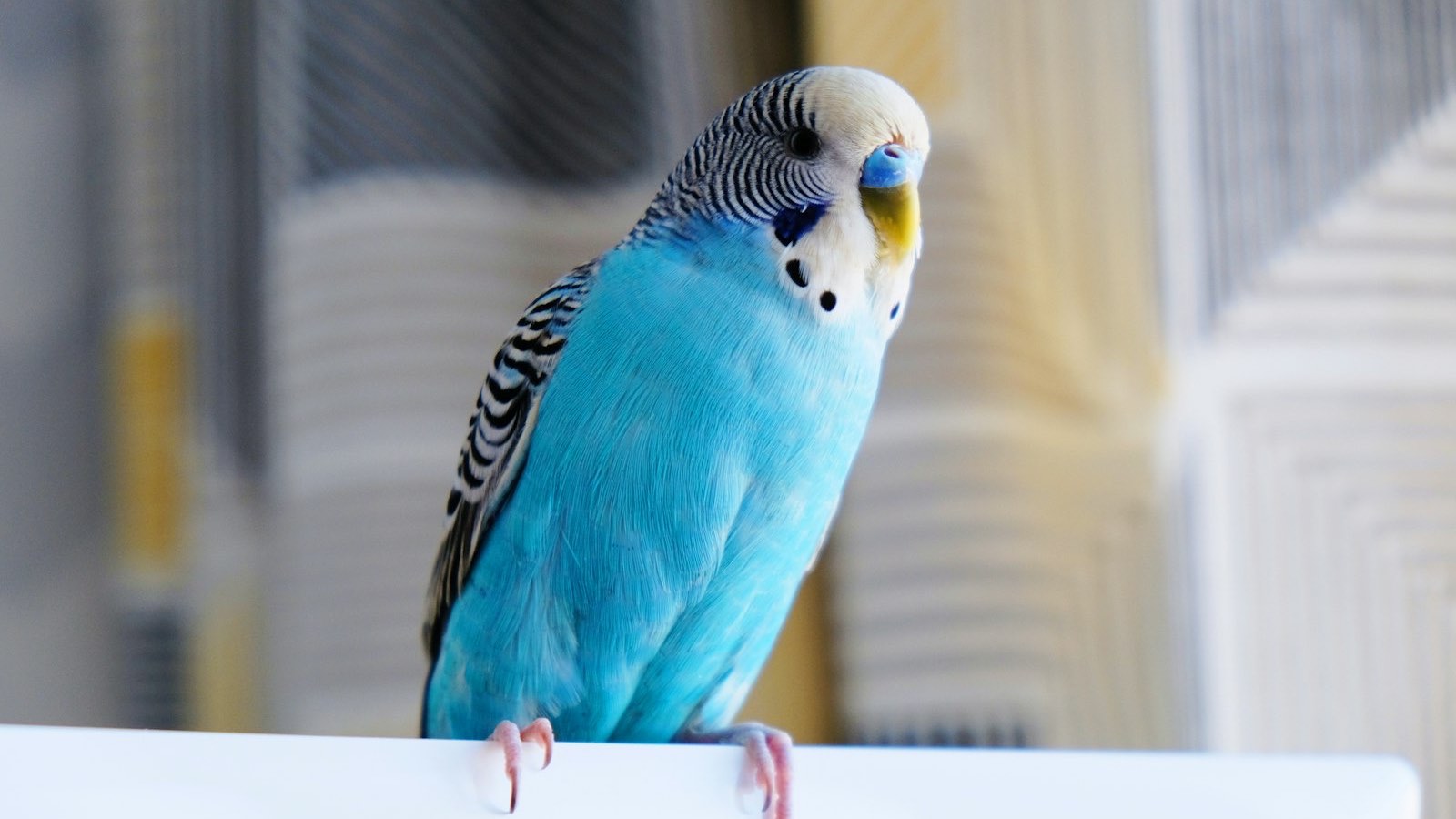
Brushes, hygiene products, parasite control, habitat upkeep: your bird’s routine care happens at home, with the right equipment. Our guides separate the essential from the gimmick — and say when the vet, not the shop aisle, should have the answer.
🩺 Our hygiene and health advice stays general: it never substitutes for an examination by a veterinarian, the only person qualified to advise on your animal.
The key point : Bathing is basic hygiene: a clip-on bath or gentle misting, several times a week.
Our dedicated guides
- Scaly leg mite in budgies: recognizing and treating knemidokoptic mange
Knemidokoptic mange in budgies: the tell-tale crusty patches on legs and beak, the vet treatment, and how to prevent it.
- Misting your bird: when and how to do it right
Choosing and using a bird mister: ideal humidity, frequency, spraying technique, and the benefits for skin and plumage.
- Feather plucking in cockatoos: understanding and preventing it
Why does a cockatoo pluck its own feathers? Main causes of feather plucking, early warning signs, and enrichment solutions that actually work.
- Canary: Song, Moult and Warning Signs
Why does a canary stop singing? Song cycle, moulting period and the signs that should raise concern in this bird prized for its voice.
- Heatstroke in birds: recognising the signs and reacting
Cage birds don't sweat and overheat quickly in summer. Panting, held-out wings: the signs of heatstroke and the moves that save a bird.
- Cleaning a bird's cage: safe products and an effective routine
White vinegar, steam, suitable disinfectants: which safe products to use for cage cleaning, and the daily, weekly and monthly routine to follow.
- Trimming your bird's nails and beak: do it yourself or see a pro?
Nail trimming is doable at home with the right kit (5 to 15 €); beak trimming, however, always belongs to the avian vet. Method and limits.
- Bird mister and parrot shower: the routine that saves the plumage
Which bird mister should you choose? Mister, shower, suction-cup perch: frequency, water and kit (3 to 35 €) for healthy plumage, from budgies to African greys.
- Senior bird: adapting perches and habitat as it ages
Arthritis, trouble jumping, pododermatitis: an older bird needs wider, lower perches. How to gently adjust its cage as it ages.
- Egg binding in a female bird: signs and veterinary emergency
A listless hen with a swollen abdomen and labored breathing: egg binding is a life-threatening emergency. Signs to watch for, risk factors and prevention.
- Aspergillosis in birds: risk factors and prevention
Aspergillosis is one of the leading causes of respiratory death in captive birds. Risk factors, warning signs and prevention habits that actually work.
- Psittacosis: the under-recognized zoonotic risk from bird droppings
Psittacosis, caused by the bacterium Chlamydia psittaci, spreads from birds to humans through droppings and feather dust. What to know to protect yourself.
- The first weeks with a newly weaned baby bird
A freshly weaned chick arrives fragile and unsure of itself in its new home. Gentle setup, weight to monitor and the first steps toward trust: the protocol for the first weeks.
- Lovebird feathers: bathing, moulting and care routines
Regular baths, misting, moult management and warning signs: how to keep a lovebird's plumage dense, waterproof and glossy.
- Preventing feather plucking in sun conures: bathing, humidity and enrichment
Feather plucking is a real risk for a bored or lonely sun conure. Regular baths, proper humidity and daily enrichment: the routine that protects its plumage.
- Senegal Parrot Biting Phase: Understanding Adolescence and Getting Through It
A once-cuddly Senegal parrot that starts biting out of nowhere around age 1-3 is going through a classic phase tied to puberty. Understanding why, and responding without reinforcing it.
- Single-diameter plastic perches: the mistake that damages birds' feet
The smooth, single-diameter plastic perches supplied with cages encourage pododermatitis. Why to replace them and which perches to choose instead.
- Should you clip your bird's wings? What modern practice says
Clipping a bird's wings seems to prevent accidents but deprives it of flight and weakens muscles and confidence. Modern alternatives and veterinary opinion.
- Avian vet budget: how much should you set aside for a healthy bird?
Avian consultation: 40 to 80 €. Tests, emergencies, hospitalisation: the real prices and how much to save each month to care for your bird without financial stress.
- Welcoming an adopted or rehomed bird: the right reflexes for the first weeks
Adopting a second-hand adult bird: vet visit, quarantine, gentle adjustment and rebuilding trust. The protocol for the first 8 weeks.
- Ring-Necked Parakeet Plumage Care and Feather-Plucking Warning Signs
Bathing, misting, dull feathers or bare patches: how to keep a ring-necked parakeet's plumage healthy and spot the early signs of feather plucking.
- Zebra Finch: Egg Binding and Cold Sensitivity, the Two Risks to Watch
Chronic laying, egg binding in females and a marked sensitivity to draughts: the health points specific to the zebra finch every owner should know.
- How to Choose a Vet Who Is Genuinely Competent With Birds
General practice or avian vet: why specific training genuinely changes the diagnosis for a bird, and the questions to ask before booking an appointment.
- Lipomas in Aging Budgies: How to Recognize and Reduce the Risk
A small soft lump under the skin near the breastbone in an aging budgie is often a lipoma, a benign fatty tumor common in this species. What you should know.
- Early Weaning and Feather Picking in African Grey Parrots: What a Comparative Study Found
A study on adult African grey parrots compares hand-reared, early-weaned birds to parent-reared ones: the behavioral differences observed shed light on what to consider when choosing a chick.
- Early Enrichment and Stereotypies in Amazon Parrots: What a Comparative Study Found
A study on young blue-fronted Amazon parrots compares early-enriched birds to non-enriched ones: the differences observed shed light on the best time to act.
- A Canary's Brain Grows New Neurons Every Year: What Nottebohm's Study Shows
In male canaries, brain regions tied to song regenerate each season. A foundational study explains this phenomenon and why it sheds light on the link between light, song, and repertoire renewal.
- Injured bird: what to do (and not do) before you reach the avian vet
A bleeding claw, a drooping wing, a window strike: the right reflexes to stabilise an injured bird without making things worse before the emergency visit.
- Signs Your Bird Is Sick: When to See an Avian Vet
How do you tell a bird is sick? The physical and behavioral signs that should prompt a quick visit to an avian vet.
- Overgrown beak in birds: possible causes and when to see a vet
A beak that keeps growing is almost never random: malocclusion, liver disease, beak and feather virus... the causes to know and the signs that call for a vet visit.
- Red mites (Dermanyssus gallinae) in birds: how to spot and treat an infestation
Night-time scratching, restlessness at bedtime, tiny red specks in the cage's crevices: the signs of a red mite infestation and how to clear it up.
- Adopting a rehomed adult parrot: what behaviour issues should you expect?
Screaming, aggression, plucked feathers: the most common behaviour problems in a rehomed adult parrot, and how to support it without rushing the bird.
- Senegal parrot: recognising the signs of stress and anxiety
Unusual screaming, tight-held plumage, retreating to the back of the cage: how to spot an anxious Senegal parrot before the problem takes hold.
- Bird allergy: feather dust, symptoms and how to adapt cage cleaning
Persistent cough, breathlessness, unexplained fatigue: bird allergy, sometimes called "bird fancier's lung", is under-diagnosed. Symptoms, species involved, and steps to cut exposure.
- Proventricular dilatation disease in parrots: the avian bornavirus finally identified
Weight loss despite a good appetite, chronic regurgitation: proventricular dilatation disease long resisted explanation. What the discovery of avian bornavirus changed.
- Bird health insurance: what it actually covers, and whether it's worth it
Consultations, surgery, hospital stays: what bird health insurance actually reimburses, what it costs per month, and when it genuinely pays off.
- Sand or Dust Baths for Birds: Which Species Really Need One?
Sand baths, dust baths or water baths: which type suits which bird species? Guidelines for choosing the right method.
- Rainbow lorikeet paralysis syndrome (LPS): the warning signs to know
A still poorly understood disease affects thousands of wild lorikeets in Australia every year. What a pet lorikeet owner should know to react in time.
- Whole seeds in a budgie's droppings: the warning sign of a gastric yeast
A budgie losing weight while still eating normally, with undigested seeds in its droppings, points to Macrorhabdus ornithogaster. What the studies say about screening and its limits.
- A Bird That Sneezes: Should You Worry, and When to See a Vet?
A bird sneezes now and then: normal or a warning sign? Guidelines for telling an occasional sneeze apart from a symptom worth watching.
- Feather plucking: which species are actually most at risk? A survey of 2,331 households
A survey of 2,331 Japanese parrot owners puts numbers on feather-plucking prevalence by species and pinpoints the breeds most at risk, from cockatoos to lovebirds.
- The mite that lives in the air sacs of Gouldian finches and canaries
Sternostoma tracheacolum colonises the deep airways of cage passerines. Its life cycle closes in under six days and it travels on the birds’ heads.
- Lorikeet cage hygiene: why nectar demands daily cleaning
Nectar ferments fast and lorikeet droppings are liquid: without daily cleaning, feeders and cage surfaces quickly turn into a breeding ground for bacteria and yeast.
- A First Aid Kit for Birds: What Should Go Inside?
Minor injury, broken feather, bleeding: what should a bird first aid kit contain before you can get to a vet?
- Quarantining a new bird: how long it should take and what you'll need
Quarantining a new bird: why it's essential before any introduction, the recommended duration, and the setup you'll need.
- Bird Baths: Bathing, Misting and Keeping Plumage in Top Condition
Clip-on bath, freestanding dish or mister: how to offer the right bath to your budgie, canary or parrot and maintain healthy plumage.
Care & grooming breed by breed: every bird profile covers this product family with that species’ own figures.