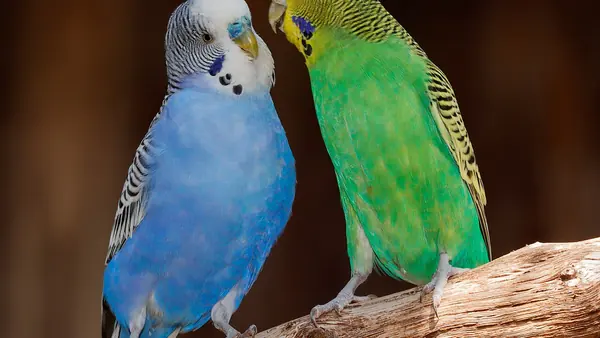
Bird Baths: Bathing, Misting and Keeping Plumage in Top Condition
Published by Planète Pets · managing editor: Clément Lacaille · how our guides are written
Bathing is no whim: it contributes directly to plumage health, helps the bird shed dust and feather debris, and encourages preening. Most birds love water… provided you offer them the right formula.
Contents · 5 sections
The clip-on bath: the classic for small species
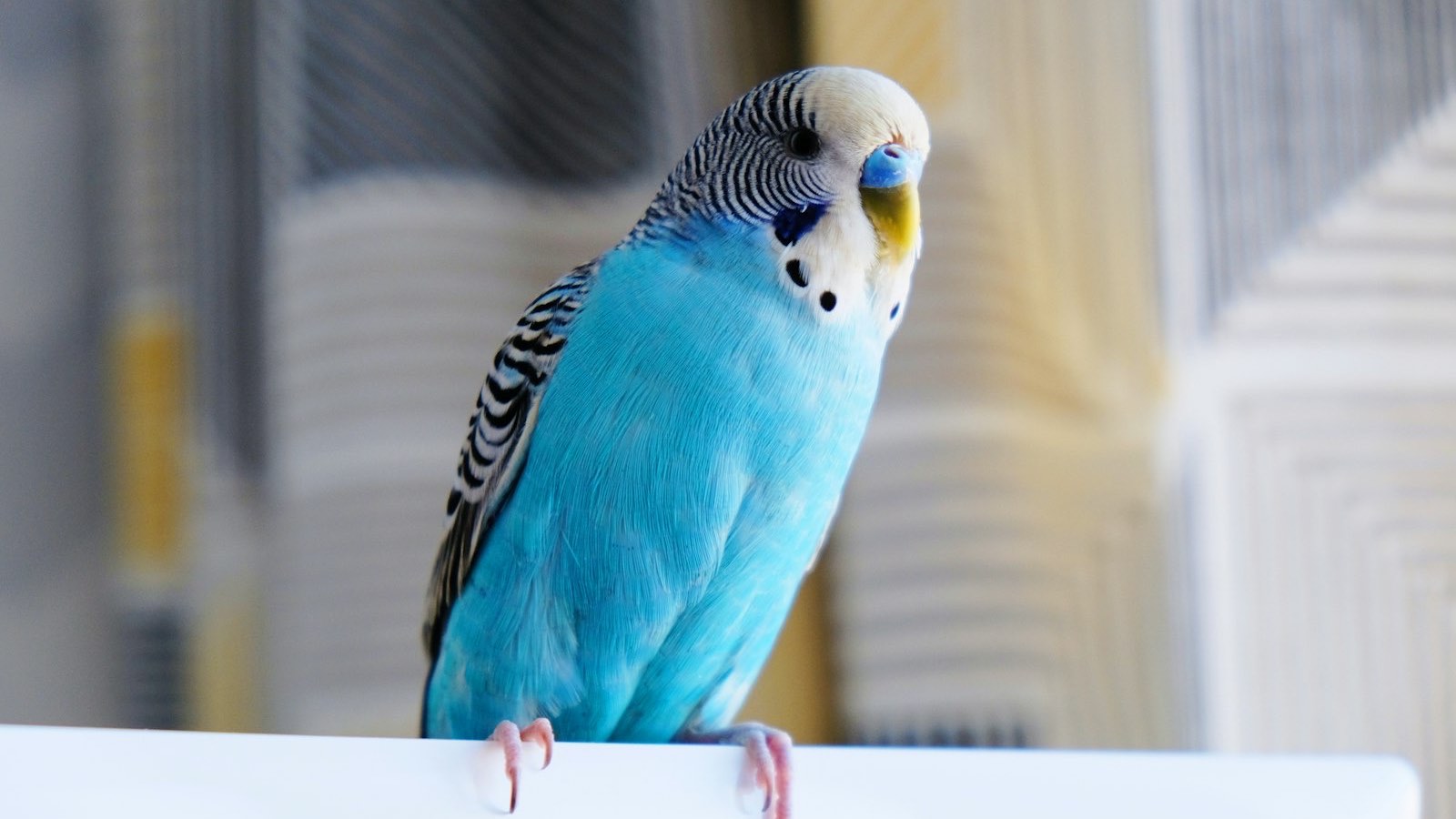
For canaries, budgies and lovebirds, the transparent plastic bath that hooks onto the cage door remains the most practical solution. Its high sides limit splashing and it comes off after use. Typical price: 4 to 12 €. Fill it with 2 to 3 cm of room-temperature water, never higher than the bird’s belly: birds do not swim.
Freestanding bath, saucer or wet leaves
Every bird has its preferences, sometimes surprising ones:
- A wide, shallow saucer placed on the cage floor or on the play area: popular with budgies.
- Wet leaves (endive, rinsed lettuce): some lovebirds and budgies roll in them, a behaviour inherited from dew bathing.
- Aviary basin: in an indoor aviary, a heavy, stable ceramic dish makes an excellent permanent bath, provided the water is changed daily.
Misting for parrots
Many parrots (African greys, Amazons, Senegal parrots) prefer fine rain to a bath. A pump mister (5 to 15 €) reserved for this purpose, filled with clear lukewarm water and sprayed above the bird so the droplets fall like rain, gives excellent results. Add nothing to the water without an avian vet’s advice: “feather shine” sprays are rarely useful and sometimes irritating.
Frequency and good habits
Offer a bath two to three times a week, more often in summer or during the moult, when water soothes the itching caused by growing feathers. Bathe in the morning by preference, so the plumage dries before nightfall, in a draught-free room. Never dry a bird with a hair dryer: beyond the stress, some appliances with non-stick coatings give off fumes that are toxic to birds.
When should you worry?
A bird that persistently refuses to bathe is not necessarily ill, but plumage that is dull, permanently ruffled or full of gaps should raise the alarm: consult an avian vet. To equip your companion, compare baths and grooming accessories in the care and grooming section of Planète Pets, or explore the bird hub.
This guide is part of Planète Pets’s Birds universe. Our advice is general in nature: for any health concern, your veterinarian remains the only reference.