Bird mister and parrot shower: the routine that saves the plumage
Published by Planète Pets · managing editor: Clément Lacaille · how our guides are written
Showers and misting are essential for the apartment parrot: two to four mistings a week with pure lukewarm water keep the plumage waterproof, limit feather dust and prevent the itchy dry skin that is a known factor in feather plucking. The basic kit costs 3 to 35 €.
Contents · 6 sections
Why shower a bird that already bathes?
A bath dish suits the small species (see our guide to baths and bath houses for birds), but most parrots — greys, Amazons, cockatoos — are rain birds: they groom under falling water, not in a puddle. In a heated apartment, very dry air degrades the skin barrier; misting compensates and triggers a full preening session, essential for waterproofing.
Mister, shower or shower perch: which to choose?
- Trigger spray bottle (3 to 10 €): set to a fine mist, aimed above the bird so the water falls like rain, never straight in the face.
- Pressure sprayer (10 to 20 €): a continuous mist that larger species find more comfortable.
- Suction-cup shower perch (10 to 25 €): the bird joins your shower, on a gentle flow of lukewarm water (35 to 38 °C).
- Pure water only: no soap, no shampoo, no shine additives; unsoftened tap water is fine.
- Timing: morning or early afternoon, never in the evening, so the bird dries fully before nightfall.
Which mister for which bird?
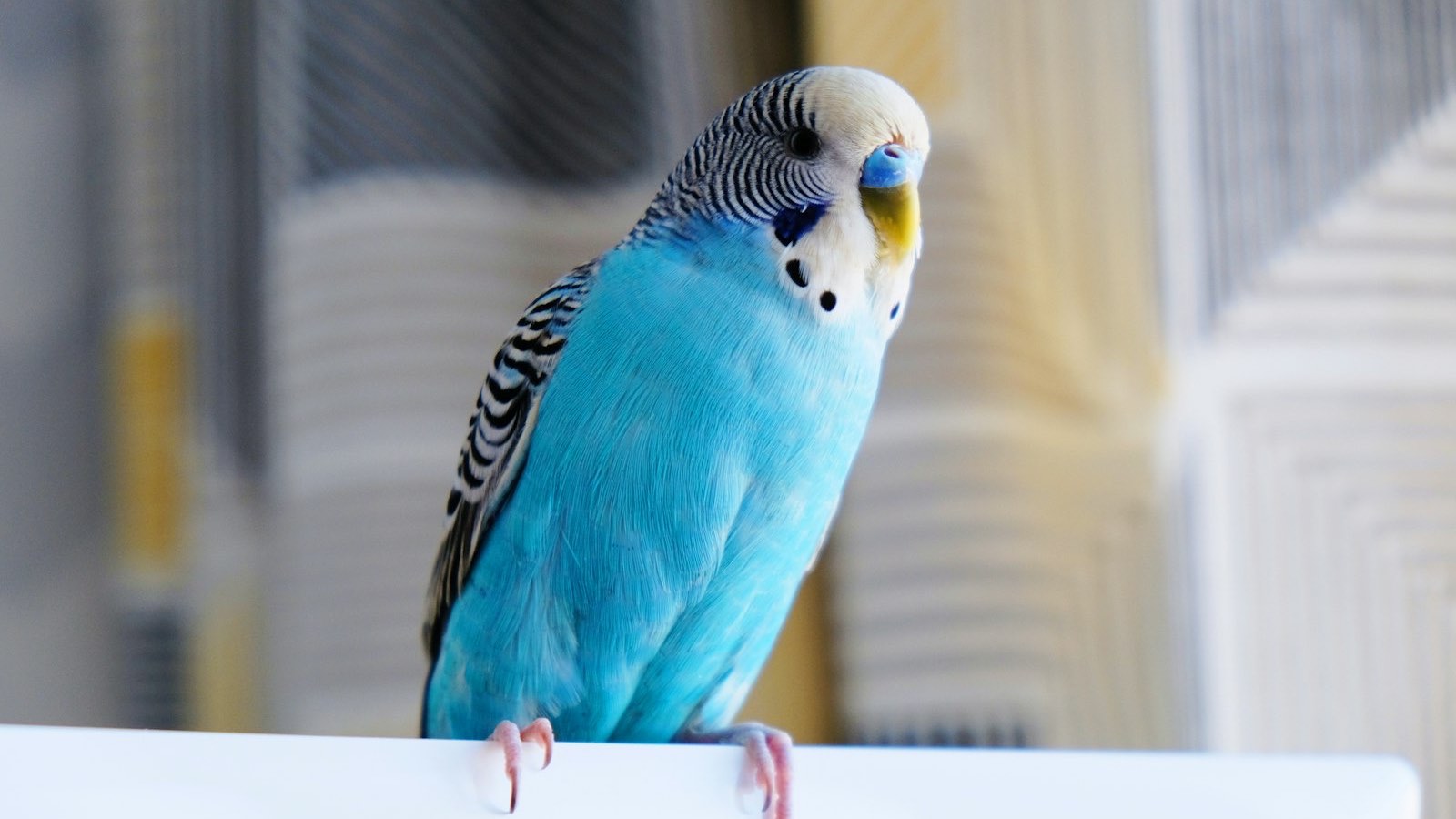
The right setup depends on size and temperament. Budgies, canaries and zebra finches: the finest possible mist, sprayed high above the cage in short sessions — many actually prefer a bath dish, so keep both options open. Cockatiels and African greys: “powder-down” species whose plumage produces a natural white dust, for whom regular misting is a hygiene necessity rather than a comfort — the grey’s specific routine is detailed in our African grey care dossier. Amazons, cockatoos and macaws: true rain birds, they call for a generous flow, from pressure sprayer to a shared shower. In every case, use a brand-new sprayer reserved for the bird: never a bottle that once held cleaning products or cosmetics.
How do you win over a parrot afraid of water?
Never chase the bird with the mister: it is the surest way to create a phobia. Start by misting at a distance, off to one side, watching its reaction. Many birds switch on at the sound of running water or at the sight of their human playing with the mist. A wet lettuce leaf, a trickle from the tap or misting a nearby plant often provides the trigger. The tell-tale signs of enthusiasm: wings half open, head tilted, feathers fluffed with pleasure.
How often should you shower through the seasons?
Two to four times a week as a routine, daily during moulting or a heatwave, a little less in winter if the room is cool — and never an outing or a draft on wet plumage, as our temperature and winter guide reminds you. Plumage that stays dull, greasy or patchy despite regular showers warrants a check-up with an avian vet. Kit compared in the care and grooming category.
Frequently asked questions
Which mister for a budgie or a canary?
A simple new trigger sprayer (3 to 10 €) set to the finest mist, used from a good distance above the cage. Two or three short sessions a week are enough for the small species, alongside or instead of the bath dish.
Should the parrot be dried after the shower?
No: no hairdryer (burns, toxic PTFE coating). A room at 20 °C or above with no drafts, and the bird dries itself by preening.
My African grey produces lots of white dust — is that normal?
Yes, greys, cockatoos and Amazons produce a natural powder down. Regular misting keeps it in check; a total disappearance of that powder, however, is a veterinary warning sign.
Can I use commercial bath sprays?
They are pointless at best. Pure lukewarm water is the gold standard; anything scented should be ruled out.
In our shop, for this use: Corn cob, nut and pine cone chew swing for parakeets and small parrots (€23.90) · the whole shop
This guide is part of Planète Pets’s Birds universe. Our advice is general in nature: for any health concern, your veterinarian remains the only reference.