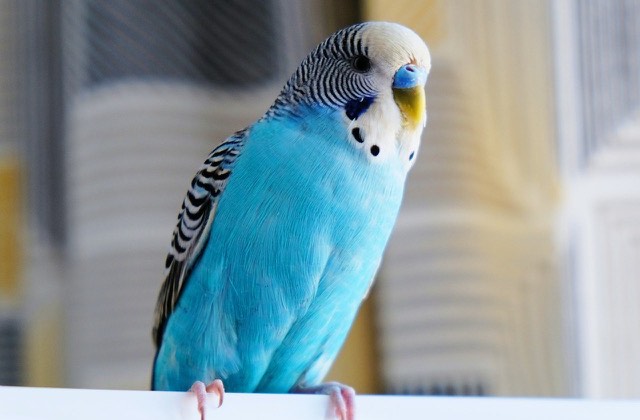
Temperature, drafts and winter: protecting your bird from the cold
Published by Planète Pets · managing editor: Clément Lacaille · how our guides are written
The right temperature for a companion bird sits between 18 and 25 °C, with one golden rule: stability. An acclimatised bird copes with cooler temperatures, but not with sudden swings or drafts, which are far more dangerous than the cold itself. Here is how to get through winter safely.
Contents · 5 sections
What temperatures can a bird really tolerate?
Budgies, cockatiels and most parrots handle 15 °C without difficulty if they are acclimatised gradually and well fed. Danger starts with thermal shock: dropping from 22 °C to 8 °C during a long airing, or a night with the heating down. At the other end, above 30 °C, watch for signs of overheating (wings held out, beak open, panting) and offer baths and misting, as detailed in our shower and misting guide.
How do you find and neutralise drafts?
The candle test remains unbeatable: a flame that flickers where the cage stands means a draft. Risk zones: the door-to-window axis, corridors, above doors, ventilation outlets. A constant draft on a wet or sleeping bird encourages respiratory disease, the top reason for winter visits to the avian vet. Pull the cage off the axis, back against a solid wall, in line with the placement principles of our guide to choosing a cage for budgies.
What winter equipment, and at what price?
- Thermometer-hygrometer (8 to 15 €): aim for 40 to 60% humidity; heating dries out both air and plumage.
- Breathable night cover (15 to 30 €): blocks night-time drafts without stifling.
- Cage heating panel (25 to 50 €) fixed outside the bars, with the cable sheathed out of beak reach.
- Light-free ceramic lamp (20 to 40 €) for a cool aviary, on a thermostat.
- Avoid: a fan heater aimed at the cage, and PTFE-coated stoves whose fumes are lethal to birds.
Should the diet change in winter?
A bird in a cooler room burns more: increase the ration slightly, add a few oilier seeds or egg food twice a week, and keep up the flight outings that maintain condition. A bird sitting fluffed up in the daytime and eating less needs to be seen quickly: in birds, visible lethargy is always a late sign. Our equipment is compared in the bedding and habitat category.
Frequently asked questions
Can I leave my budgie near a window in winter?
Only if the window is well insulated and draft-free: single glazing creates a cold surface and big overnight swings.
Is a night cover essential?
No, but it is useful in cool or bright rooms: it stabilises the temperature and guarantees 10 to 12 hours of darkness.
My heating has broken down — how do I warm the bird?
Move the cage into the smallest room, cover three sides, and slip a warm wrapped hot-water bottle under the tray. If the bird stays fluffed up and lethargic, contact an avian vet urgently.
See it in the Planète Pets shop: Bendable multicolour cotton rope perch, 40 cm (€21.90) · the whole shop
This guide is part of Planète Pets’s Birds universe. Our advice is general in nature: for any health concern, your veterinarian remains the only reference.