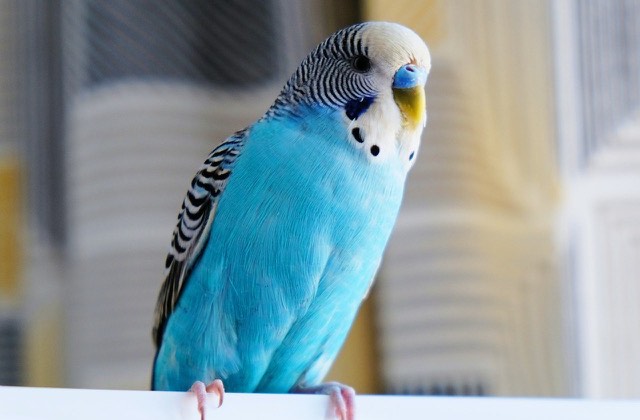
Misting your bird: when and how to do it right
Published by Planète Pets · managing editor: Clément Lacaille · how our guides are written
Most companion birds come from environments more humid than our heated homes, where dry air weakens the skin and plumage. A mister recreates the fine rain they enjoy in the wild and complements the usual bath. A landmark review by van Zeeland and colleagues, published in 2009 in Applied Animal Behaviour Science on feather-damaging behaviour in parrots, highlights the role of skin and feather condition, and therefore of regular bathing opportunities, in preventing feather-destruction behaviours (see the study). Our care guides are gathered in the bird care and grooming section.
Contents · 5 sections
Why mist your bird?
Misting moistens the plumage and triggers preening, the grooming that spreads natural oils and maintains feather insulation. It limits dander, soothes dry skin, and supports healthy airways.
What humidity should you aim for?
An ambient humidity of about 40 to 60% suits most species: enough to avoid dryness without encouraging mould and fungi. Occasional misting comes on top of a properly humidified room.
How to spray correctly
- Room-temperature water, as a fine mist aimed upward so it falls like a gentle rain.
- Never straight in the face: aim for the back and wings, letting the bird position itself if it enjoys it.
- Preferably in the morning, so the plumage dries before night and the drop in temperature.
How often?
Two to three mistings a week are often enough, adjusted to the species, season, and the bird's comfort. This routine works alongside the bird bath and, for large parrots, the parrot shower and misting.
Frequently asked questions
Which type of mister should you choose?
A clean fine-mist sprayer is enough; what matters is a very fine droplet and additive-free water.
My bird is afraid of the spray, what should I do?
Get it used to it gradually, at a distance and in calm conditions, never forcing it; many end up asking for the mist.
Can you mist in winter?
Yes, provided you avoid draughts and let the plumage dry in a temperate room. Browse all our guides on the bird hub.
See it in the Planète Pets shop: Wooden bead swing with bells for budgies (€17.90) · the whole shop
This guide is part of Planète Pets’s Birds universe. Our advice is general in nature: for any health concern, your veterinarian remains the only reference.