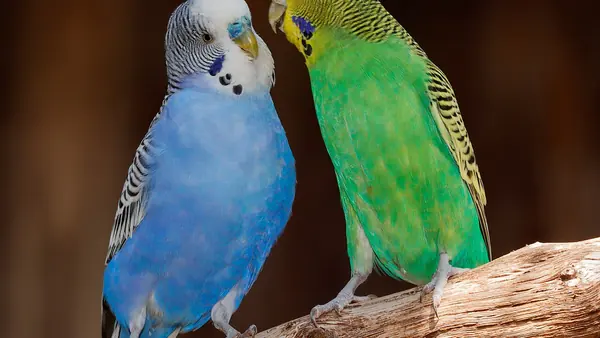
The first weeks with a newly weaned baby bird
Published by Planète Pets · managing editor: Clément Lacaille · how our guides are written
A chick that has just been weaned by the breeder is learning to eat solid food alone at the very same time it discovers a brand-new environment: it's a sensitive period. A study comparing hand-tamed young Amazon parrots with parent-reared ones found that how the very first weeks go has a lasting effect on how readily the bird later accepts human presence. Find our other pointers in the care and grooming section.
Contents · 5 sections
A recent weaning, trust still fragile
A newly weaned chick doesn't yet have an adult's confidence: it may seem fearful, refuse to feed itself for a few days, or conversely demand constant attention. It's best to move slowly, never force contact, and let the bird come on its own to a hand offering a treat. The same gradual approach guides our guide to taming a new bird.
Setting up the chick gently
The cage should go in a quiet room, never in the middle of household activity for the first few days, and kept apart from any other birds already at home for a full quarantine period — see our guide to quarantining a new bird. One or two low perches are enough at first: a young bird still clumsy in flight is more likely to injure itself falling from height.
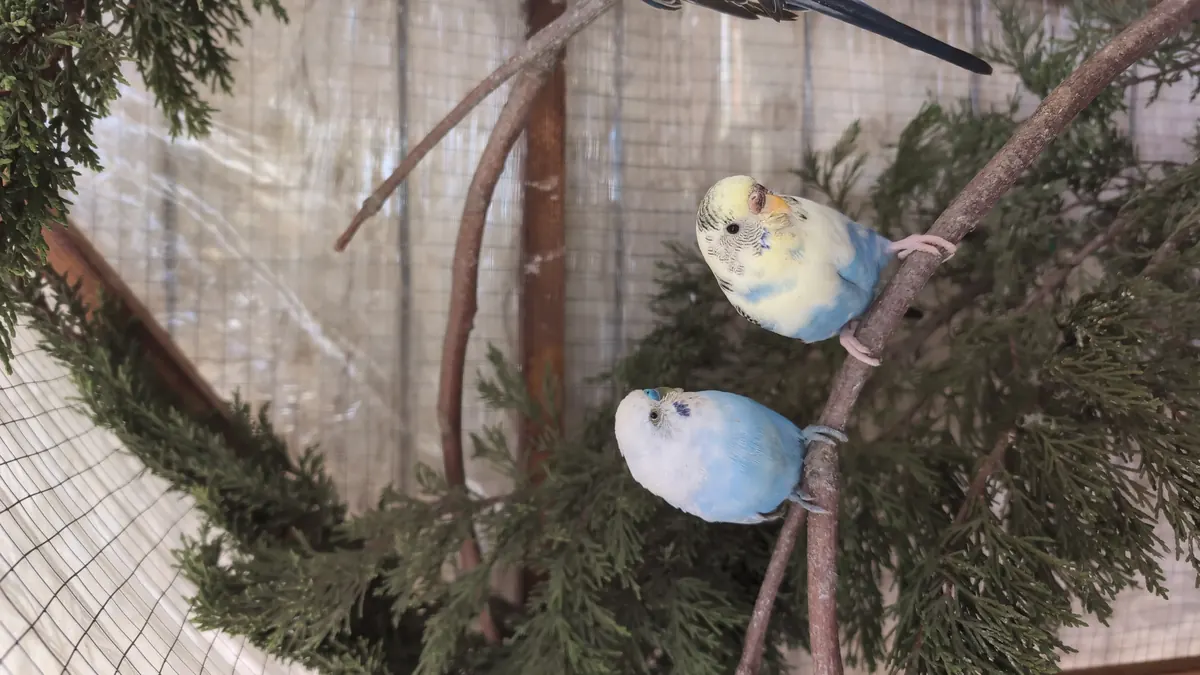
Feeding and weight to watch
A freshly weaned chick should keep eating regularly with no notable weight loss; a daily weigh-in at the same time, on a small precision scale, catches a problem early before it turns serious. Any marked weight loss or prolonged refusal to eat calls for a prompt call to the avian vet.
The first steps toward trust
Sitting quietly near the cage, speaking softly, offering a treat through the bars before attempting direct contact: patience in the first weeks lays the foundation for the relationship for years to come. A chick that feels safe from the start generally grows into an adult that's easier to handle and less prone to stress.
Frequently asked questions
How long does it take a weaned chick to settle in?
Basic settling in usually takes two to four weeks, but full trust can keep building for several months.
Should a chick be kept apart from other birds at home?
Yes, a quarantine of several weeks is recommended before any contact, even if the chick comes from a trusted breeder.
Is it normal for a chick to lose weight in the first few days?
A slight dip in appetite tied to the change of environment can happen, but any marked or persistent weight loss should prompt a quick vet visit.
This guide is part of Planète Pets’s Birds universe. Our advice is general in nature: for any health concern, your veterinarian remains the only reference.