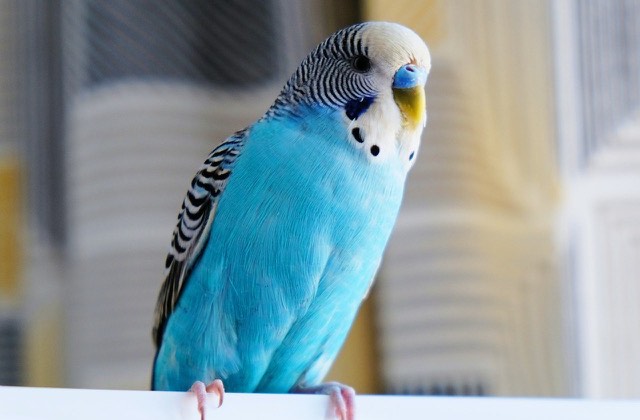
Signs Your Bird Is Sick: When to See an Avian Vet
Published by Planète Pets · managing editor: Clément Lacaille · how our guides are written
A sick bird instinctively hides its symptoms for as long as possible, a survival reflex against predators: by the time signs become visible, the situation is often already advanced. Constantly fluffed feathers, lethargy, or a change in appetite or droppings warrant a prompt vet visit, without waiting for things to get worse.
Contents · 6 sections
Which physical signs should you watch for first?
- feathers puffed and fluffed for a prolonged period, even outside of rest;
- discharge from the nostrils or eyes, noisy breathing, or tail bobbing;
- persistently abnormal droppings: changed color, consistency or frequency;
- visible weight loss, with the keel bone becoming prominent to the touch;
- limping, difficulty perching, or unusual loss of balance.
Which behavior changes should worry you?
A normally active bird that stays still at the bottom of the cage, refuses to come out or play, or eats noticeably less for more than a day is showing a signal worth taking seriously. Loss of interest in bathing, covered in bird bath guide, can also accompany a broader state of unwellness.
Why does speed of consultation matter so much with birds?
A bird's fast metabolism also speeds up how conditions progress: a stable state can deteriorate within just a few hours. Unlike a dog or cat, waiting "to see if it passes" is rarely a reasonable option with this species, which is fragile in the face of illness.
How should you prepare the trip to the vet?
A carrier that is warmed if needed, quiet and free of excess stimulation limits the stress added on top of the illness. See travel carrier for a bird to prepare this trip properly under emergency conditions.
Does regular upkeep help you spot signs earlier?
Regular cage cleaning, covered in safe bird cage cleaning, makes it easier to observe droppings and behavior daily, often the best early indicator at home.
Frequently asked questions
Is a bird that sleeps a lot during the day necessarily sick?
Not always, but unusual drowsiness combined with other signs (fluffed feathers, reduced appetite) deserves a vet visit as a precaution.
Should you isolate a sick bird if it lives with others?
Yes, while waiting for the visit, to limit any risk of transmission and allow more reliable individual observation.
Do vets specialize in birds?
Yes, exotics vets have specific training in avian medicine; they are a better choice than a general practitioner unfamiliar with the species.
See it in the Planète Pets shop: Natural wood play stand for budgies: perch, ladder and ring (€30.90) · the whole shop
This guide is part of Planète Pets’s Birds universe. Our advice is general in nature: for any health concern, your veterinarian remains the only reference.