Psittacosis: the under-recognized zoonotic risk from bird droppings
Published by Planète Pets · managing editor: Clément Lacaille · how our guides are written
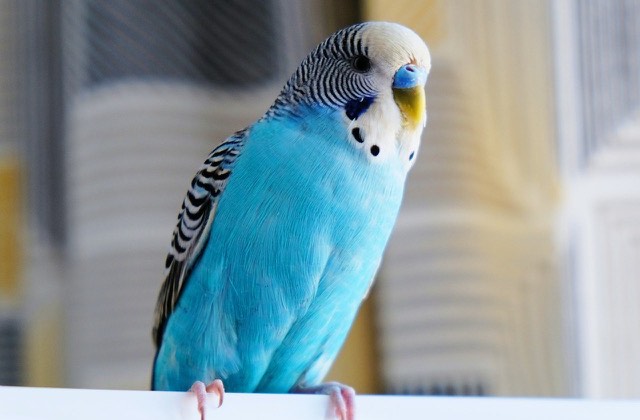
Psittacosis is a bacterial disease transmissible from birds to humans that remains too little known among bird owners. A recent review on Chlamydia psittaci as a zoonotic pathogen notes that over 460 bird species, including most companion species, can carry the bacterium without necessarily showing visible symptoms. Find our other care pointers in the bird care and grooming section.
Contents · 4 sections
How does the bacterium spread to humans?
Transmission happens almost always through the respiratory route, by inhaling dust from dried droppings or contaminated feather particles while cleaning the cage. Direct contact with a sick or asymptomatic carrier bird is sometimes enough on its own. In humans, the infection often resembles a flu-like illness, sometimes with pneumonia; older adults, immunocompromised people and those with regular professional contact with birds are most at risk.
The simple habits that genuinely lower the risk
Cleaning the cage with a damp method rather than dry sweeping, to avoid stirring dust into the air, wearing a mask during a thorough clean, and airing out the room during and after cleaning significantly reduce exposure. Find the full routine in our guide on cleaning a bird's cage. Systematically quarantining any new bird before it has contact with the household's other animals also limits the introduction of the bacterium.
When to worry, for the bird and for you
In birds, the disease can stay silent or show up as lethargy, greenish diarrhea and nasal discharge — signs that overlap with our guide on signs a bird is sick. In humans, any fever paired with a persistent cough after contact with a bird is worth mentioning to a doctor: psittacosis is often missed simply because no one thinks to bring it up.
Frequently asked questions
Is a bird carrying the bacterium necessarily sick?
No, a bird can carry Chlamydia psittaci with no visible symptoms at all, especially under low stress, and still transmit it.
Does antibiotic treatment cure the bird?
An extended course prescribed by an avian vet is generally effective, but must be followed through to the end to avoid a relapse.
Is it a concern with just one healthy budgie?
The risk stays low in that case, but basic hygiene habits are still recommended, especially when cleaning the cage.
In our shop, for this use: Wooden bead swing with bells for budgies (€17.90) · the whole shop
This guide is part of Planète Pets’s Birds universe. Our advice is general in nature: for any health concern, your veterinarian remains the only reference.