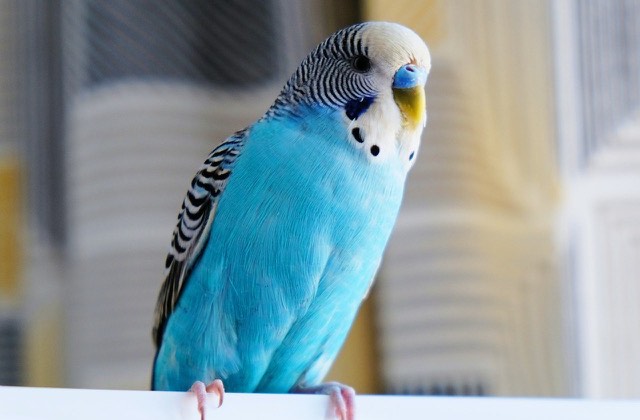
Zebra Finch: Egg Binding and Cold Sensitivity, the Two Risks to Watch
Published by Planète Pets · managing editor: Clément Lacaille · how our guides are written
The zebra finch is generally hardy, but two vulnerabilities come up repeatedly in this species: egg binding linked to its easy laying, and a marked sensitivity to cold despite its lively temperament. The care basics shared by every bird are covered in our bird care and grooming section; here is what sets this tiny exotic apart.
Contents · 4 sections
What the research says about egg formation in birds
A study by Perrins, published in 1996 in the journal Ibis, reviewed the mechanisms of egg formation in birds and highlighted how much of a physiological strain the calcium demand at laying represents, particularly in small species that lay frequently (see the study). The zebra finch, which nests and lays readily even without any intended breeding, fits exactly the at-risk profile described in that review.
Recognising egg binding without delay
A female slumped on the cage floor, with a swollen abdomen, breathing with difficulty or unable to perch normally needs to see an avian vet as an emergency: egg binding can turn life-threatening within hours in a bird this size. Our article on egg binding in birds covers the exact signs and what to do.
A cold sensitivity not to be underestimated
Despite its fast metabolism and constant activity, the zebra finch copes poorly with draughts and sudden temperature drops, which weaken it far faster than they would a larger bird. Place the cage or aviary away from any poorly insulated window and avoid abrupt room changes in winter, as detailed in our guide on temperature and draughts in winter.
- Constant calcium: the best safeguard against egg binding.
- Watch laying frequency: close off nests if clutches become too frequent.
- Vet emergency: at the first sign of laying-related collapse.
- Zero draughts: a stable spot, away from windows and doors.
Regular attention to these two points is usually enough to keep a zebra finch healthy across its five to eight year lifespan. Species-specific pointers are gathered on the zebra finch care and grooming page.
Frequently asked questions
Is a female that lays a lot automatically at risk?
Risk rises with laying frequency, especially if calcium intake is not constant; closing off nests outside a breeding project noticeably lowers that risk.
What minimum temperature does a zebra finch tolerate?
Around 18 degrees continuously works well, provided any direct draught is avoided, which is far more dangerous than a stable, slightly cool temperature.
Can males also suffer from egg binding?
No, this condition only affects females, since it is directly tied to the laying process.
An accessory from our shop for this use: Corn cob, nut and pine cone chew swing for parakeets and small parrots (€23.90) · the whole shop
This guide is part of Planète Pets’s Birds universe. Our advice is general in nature: for any health concern, your veterinarian remains the only reference.