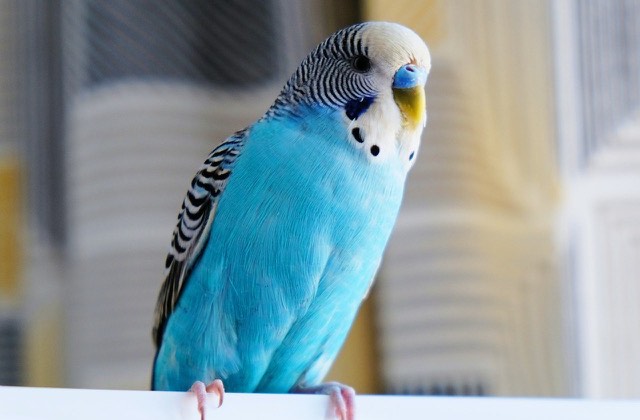
Lovebird feathers: bathing, moulting and care routines
Published by Planète Pets · managing editor: Clément Lacaille · how our guides are written
A healthy lovebird maintains its own plumage: it spends several hours preening every day. Your role is not to groom it, but to give it the means — water for bathing, decent humidity, a rich diet — and to spot the signs that something is off. The fundamentals common to all birds are in our bird care and grooming section.
Contents · 4 sections
Bathing, the cornerstone of feather care
Most lovebirds adore water: offer a hanging bath or a shallow saucer of lukewarm water two or three times a week, daily in summer. Work by Murphy, Braun and Millam on Amazon parrots, published in 2011 in Applied Animal Behaviour Science, shows that regular bathing access changes maintenance behaviour and supports feather quality. For reluctant bathers, fine misting above the head, falling like rain, often triggers preening. The different formats are compared in our bird bath guide.
Supporting the moult without panicking
Once or twice a year, a lovebird gradually replaces its feathers: the cage floor fills with small green feathers and powdery sheaths. This is normal as long as the bird never shows a bald patch. During these weeks it is more tired and sometimes grumpy: boost protein (egg food) and keep full nights of ten to twelve hours.
What plumage says about health
Dull feathers, constant fluffing, translucent stress bars or bare patches are not cosmetic issues: they are often the first visible symptom of a diet problem, parasites or boredom. A correct ration remains the first feather treatment — see our guide to lovebird diet.
- A lukewarm bath 2-3 times a week: never blow-dry; a draught-free room is enough.
- A new mister reserved for the bird: never a sprayer that has held any product.
- Egg food during the moult: feathers are over 90% keratin, a protein.
- A weekly inspection: under the wings, rump and around the eyes at a glance.
A lovebird that stops preening or pulls its feathers out should see an avian vet quickly. Species-specific routines are detailed on the lovebird care and grooming page.
Frequently asked questions
Should wing feathers be clipped?
No, clipping flight feathers is discouraged: it deprives the bird of its escape response and encourages falls and behavioural problems.
My lovebird has a dirty area around its beak — is it serious?
After a fruit meal it is trivial, but feathers permanently stuck around the beak or nostrils warrant a consultation.
Is a sand bath useful?
Not for a lovebird: it is a need of passerines like the canary, not of parrots, which prefer water.
See it in the Planète Pets shop: Corn cob, nut and pine cone chew swing for parakeets and small parrots (€23.90) · the whole shop
This guide is part of Planète Pets’s Birds universe. Our advice is general in nature: for any health concern, your veterinarian remains the only reference.