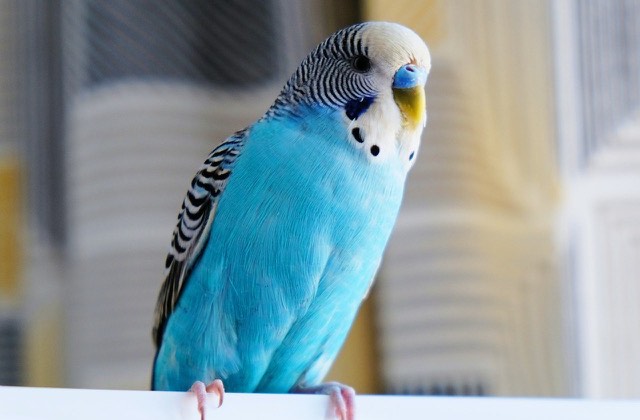
Lovebird (Agapornis) diet: the ideal daily ration
Published by Planète Pets · managing editor: Clément Lacaille · how our guides are written
Small and energetic, the lovebird (genus Agapornis) is often fed seed exclusively out of convenience — a mistake that exposes it to obesity and deficiencies. A landmark review of Psittaciformes nutrition by Koutsos, Matson and Klasing notes that seed mixes alone are low in vitamin A, calcium and essential amino acids, and that a varied diet markedly reduces diet-related health problems (see the study). Find our other pointers in the food section.
Contents · 5 sections
The all-seed trap
Sunflower and millet seeds are highly palatable but also very fatty. A lovebird given free access to a seed mix picks out its favourites — usually the most calorie-dense — and ends up with an unbalanced diet that is short on essential nutrients. This self-selection is one of the leading causes of obesity in small caged parrots.
A balanced daily ration
Today's recommended base combines extruded pellets (60 to 70% of the ration), designed to provide a complete nutritional profile, with a small proportion of seed and fresh vegetables and fruit given daily. The switch from all-seed to pellets should be gradual, over several weeks, since a lovebird used to seed can refuse an unfamiliar food. The same transition principle applies to other small parrots, as detailed in our comparison of a lovebird or a budgie for beginners.
Fruit, vegetables and supplements
Broccoli, carrot, bell pepper, apple without the seeds, the occasional spinach leaf: fresh fruit and vegetables round out the ration with vitamins and fibre, at roughly 20 to 30%. A cuttlebone or mineral block remains useful for calcium, especially for females during egg-laying periods. Watch out, though, for certain foods that are dangerous even in small amounts — avocado, chocolate, onion — which have no place in the bowl, as our list of toxic foods for birds makes clear.
Common mistakes to avoid
Leaving a seed bowl permanently topped up, skipping fresh vegetables for lack of time, or swapping the diet abruptly are the three most common mistakes. A lovebird that loses weight or stops eating after a diet change needs close monitoring: in such a small bird, just a few days without food is enough to put its health at risk.
Frequently asked questions
What proportion of seed should a lovebird get?
Ideally no more than 20 to 30% of the ration, with the rest made up of extruded pellets and fresh fruit and vegetables given daily.
How do you get a seed-only lovebird to accept pellets?
By gradually mixing pellets with seed over several weeks, never removing the old food abruptly until the new one is accepted.
Does a lovebird need vitamin supplements?
With a well-balanced ration (pellets plus fresh food), supplements are generally unnecessary; discuss them case by case with an avian vet.
An accessory from our shop for this use: Acrylic no-mess feeder for budgies (13 × 11 × 13 cm) (€33.90) · the whole shop
This guide is part of Planète Pets’s Birds universe. Our advice is general in nature: for any health concern, your veterinarian remains the only reference.