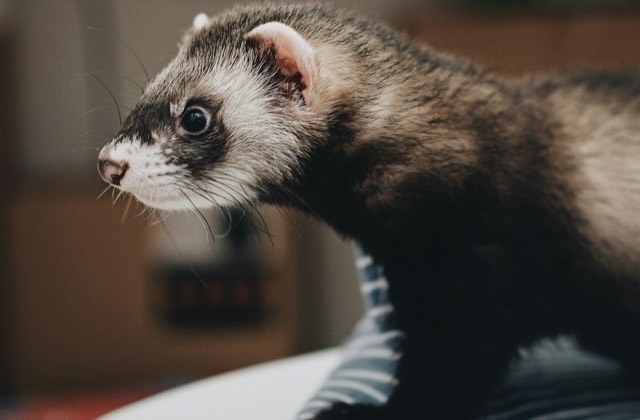
A limp, cold-to-the-touch ferret: the warning signs of a real emergency
Published by Planète Pets · managing editor: Clément Lacaille · how our guides are written
A ferret that's unusually limp, cold to the touch, or refuses to get up should never wait until the next day: a recent study of hospitalised ferrets pins down exactly which signs are most tied to an immediate life-threatening risk. Find all our health guidance in the ferret care and grooming section.
Contents · 5 sections
What does research show about the highest-risk signs?
A study by Stratton, Rao and Sadar, published in 2024 in the American Journal of Veterinary Research, analysed the records of 321 ferrets seen in veterinary practice to identify the parameters most linked to death (study on the American Journal of Veterinary Research). A body temperature under 37.8°C multiplied the risk of death by 3.72 compared with a normothermic ferret, marked anaemia multiplied it by 4.74, hyperglycaemia by 2.61, and severe hypoglycaemia by 9.45 compared with a normal blood glucose level. That last figure places severe hypoglycaemia far ahead of the other warning signs identified by the authors.
How can you spot these signs without medical equipment?
- Ears, nose or paws that feel unusually cold can point to a drop in body temperature, even without a thermometer.
- Unusual limpness, refusing to stand, or a lack of response to your voice or touch often accompany severe hypoglycaemia.
- Pale gums instead of pink can signal anaemia, worth checking by gently lifting the lip.
Why not wait to see a vet?
In a ferret, these parameters can deteriorate within hours rather than days; an animal that's sluggish in the morning can be in a life-threatening state by evening. A ferret first-aid kit helps you respond while waiting for a consultation, but never replaces one.
A link to insulinoma?
In an older ferret, or one already being monitored for insulinoma, an episode of severe hypoglycaemia matches exactly the sign most strongly tied to risk of death in this study: one more reason never to ease off monitoring once the diagnosis is made.
Frequently asked questions
Should you give sugar before heading to the vet?
A little syrup or honey rubbed on the gums can help if severe hypoglycaemia is suspected, but it should never replace the emergency consultation that must follow right away.
Does mild, passing tiredness warrant a vet trip?
In ferrets, the line between mild tiredness and an emergency is thin; if you're unsure about temperature, gum colour or behaviour, it's better to get it checked than to wait.
Do these thresholds apply at every age?
The study covered adult ferrets of varied backgrounds; a senior or already fragile ferret deserves even earlier vigilance for these same signs. Find all our guides in the ferret hub.
See it in the Planète Pets shop: Bubble-window carrier backpack for dwarf rabbit, guinea pig or ferret (€47.90) · the whole shop
This guide is part of Planète Pets’s Ferrets universe. Our advice is general in nature: for any health concern, your veterinarian remains the only reference.