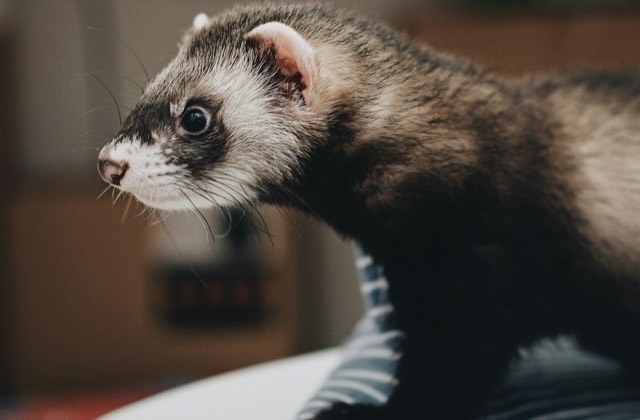
Ferret diet: feeding an obligate carnivore properly
Published by Planète Pets · managing editor: Clément Lacaille · how our guides are written
The ferret is an obligate carnivore: its short digestive tract and fast metabolism are built to digest prey, not cereals. An unsuitable diet is one of the leading causes of health problems in this animal. Here is how to feed it properly day to day.
Contents · 4 sections
What “obligate carnivore” actually means
Unlike a dog, a ferret draws almost all of its energy from animal protein and animal fat. It digests plant fibre and starches very poorly. In concrete terms, its food should contain at least 35 to 40% animal-sourced protein and 18 to 22% fat. Fruit, vegetables, dairy products and sweets have no place in its bowl, not even “as a treat”.
Kibble: how to read the label
Kibble remains the most practical option. To choose well:
- the first ingredients must be clearly named meats or meat meals (chicken, turkey, duck);
- avoid recipes where cereals and peas top the ingredient list;
- a ferret-specific kibble or, failing that, a kitten kibble very rich in animal protein, is a better fit than adult cat food;
- expect €8 to €20 per kilo depending on the range, or roughly €10 to €25 per month for one ferret.
Ferrets nibble small amounts throughout the day: leave kibble freely available in a stable bowl, with fresh water on tap at all times.
Whole prey and home-prepared diets
Some owners feed their ferret defrosted whole prey (day-old chicks, mice), bought from pet shops or online for roughly €0.50 to €1.50 apiece. It is the diet closest to the animal's natural needs, but it demands rigour: an unbroken cold chain, variety in the prey offered, and scrupulous hygiene around the feeding area. Raw “whole prey” or BARF-style home rations should be designed with the help of an exotics vet, because an unbalanced ration does more harm than good.
Transitions, treats and warning signs
Ferrets lock in their food preferences very young: any change of diet must be gradual, over one to two weeks, mixing the old and new food together. As treats, favour a piece of plain cooked meat or a suitable vitamin paste, in limited amounts. See an exotics vet promptly if your ferret refuses food for more than 24 hours, loses weight or produces abnormal stools: in an animal this small, things go downhill fast.
To dig deeper, browse our selection of tested products in the ferret food category and all of our guides on the Planète Pets ferret hub.
In our shop, for this use: 2-in-1 felt tunnel and hideout for rabbits and ferrets (44 × 60 cm) (€37.90) · the whole shop
This guide is part of Planète Pets’s Ferrets universe. Our advice is general in nature: for any health concern, your veterinarian remains the only reference.