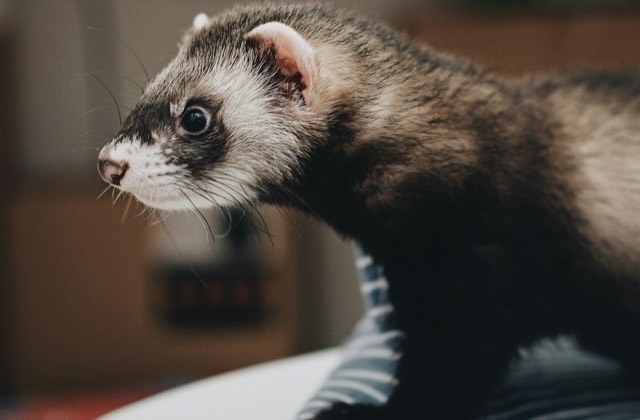
Xylitol: a dangerous sweetener for ferrets?
Published by Planète Pets · managing editor: Clément Lacaille · how our guides are written
Xylitol, a sweetener found in sugar-free gum, some reduced-fat peanut butters and many toothpastes, has been recognized for decades as a major food hazard for dogs. In ferrets, obligate carnivores with a delicate metabolism, caution is warranted even though research on this specific species is nearly nonexistent. Find all our food-safety guidance in the ferret food section.
Contents · 6 sections
Why is xylitol so dangerous in dogs?
In dogs, xylitol triggers a massive, rapid release of insulin from the pancreas, a response ordinary glucose doesn't provoke to the same degree. That insulin surge drops blood sugar within tens of minutes, sometimes as far as coma.
What does research show about severe poisoning cases?
A study by Dunayer and Gwaltney-Brant, published in 2006 in the Journal of the American Veterinary Medical Association, reviewed eight dogs that ingested xylitol and developed acute hepatic failure along with coagulation disorders (study on PubMed). Beyond the well-known initial hypoglycemia, the authors documented severe liver necrosis appearing in several animals within 24 to 72 hours of ingestion, with some cases proving fatal despite intensive care. The exact mechanism behind this hepatic toxicity is still poorly understood.
Does a ferret react to xylitol the same way a dog does?
No study has specifically tested a ferret's insulin response to xylitol, and some obligate carnivores like cats appear less sensitive to this particular mechanism than dogs. But a ferret is already a species prone to severe blood sugar crashes, given how common insulinoma — a pancreatic tumor — is in older ferrets; adding another hypoglycemic factor, even one poorly characterized in this species, serves no purpose and carries a disproportionate risk against the zero benefit of letting it near this product.
Where does xylitol turn up day to day?
- "Sugar-free" gum and candy, often left within reach on a coffee table or in a bag.
- Some reduced-fat peanut butters, sometimes mistakenly used to hide a pill or as a treat; our article on healthy ferret treats covers safe alternatives.
- Human toothpaste and mouthwash, which should never substitute for a ferret's own dental care products.
What should you do after accidental ingestion?
Contact a vet or an animal poison control center right away, even with no visible symptoms, since the window to act is short if blood sugar starts to drop. Keeping the packaging of the ingested product helps estimate the dose and guide treatment — a habit worth building into a well-stocked ferret first-aid kit.
Frequently asked questions
Is xylitol also found in ferret kibble?
No, kibble formulated for ferrets doesn't contain it; the risk comes exclusively from human products left accessible.
Is a tiny lick of it dangerous?
Risk depends on dose and the product's concentration, but it's always safer to call a vet as a precaution rather than wait for symptoms to appear.
Do sorbitol or erythritol pose the same problem?
No, these other sweeteners don't trigger the same insulin-release mechanism and are considered far lower risk. Find all our guides in the ferret hub.
An accessory from our shop for this use: 2-in-1 felt tunnel and hideout for rabbits and ferrets (44 × 60 cm) (€37.90) · the whole shop
This guide is part of Planète Pets’s Ferrets universe. Our advice is general in nature: for any health concern, your veterinarian remains the only reference.