Boa constrictor: what a study on capture stress changes about handling time
Published by Planète Pets · managing editor: Clément Lacaille · how our guides are written
A boa constrictor has a reputation as a placid snake, but a study on an island subspecies measured what actually happens inside its body when it is grabbed and restrained, with direct consequences for how long a transport or handling session should last. Our travel and safety guidance is gathered in the reptile travel and safety section.
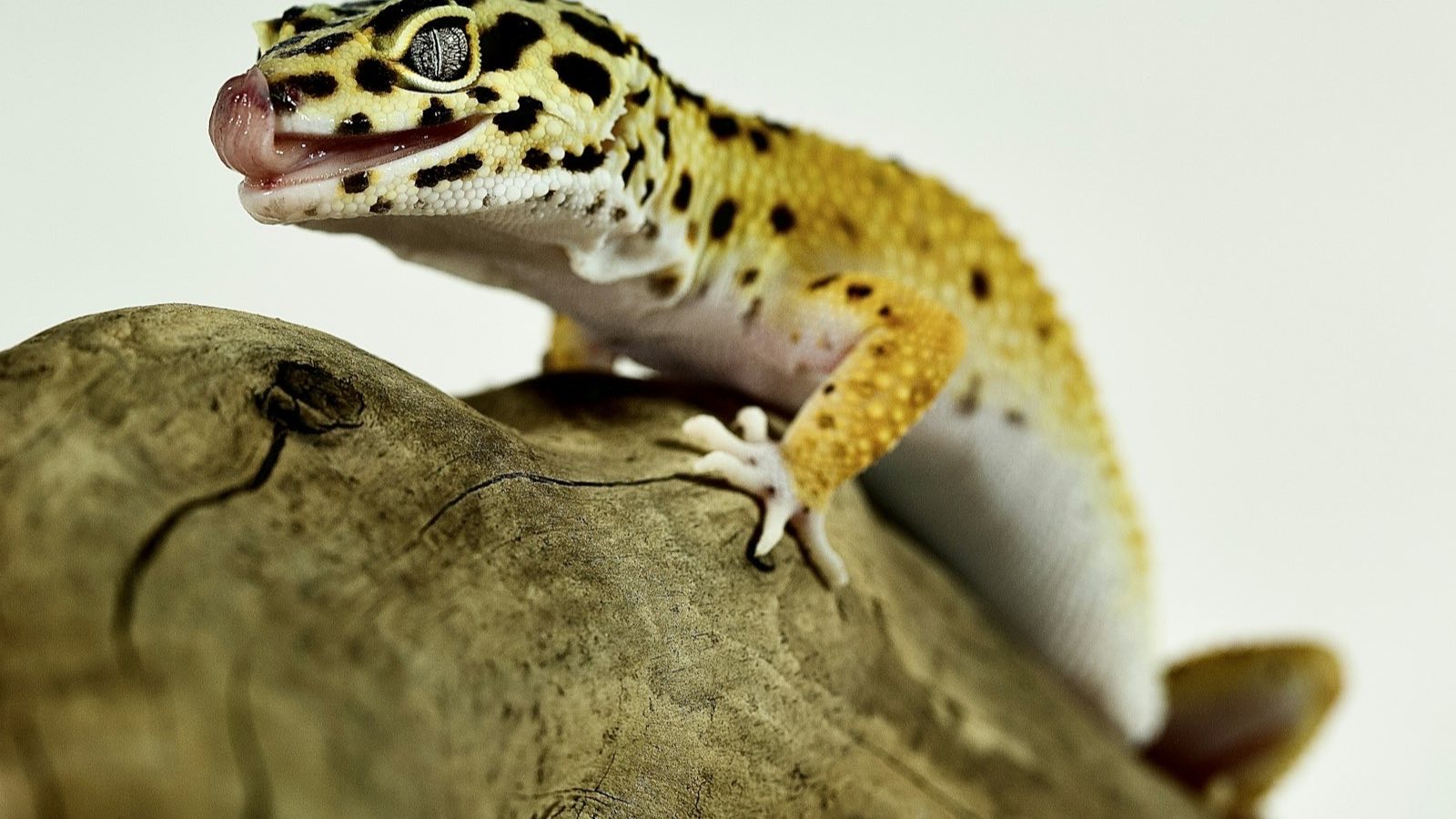
A study on capture stress in the Hog Island boa
Frazier, Dorr, Henningsen and Eikenaar published a study in 2014 in Physiological and Biochemical Zoology on wet- and dry-season steroid hormone profiles and stress reactivity of the Hog Island boa (Boa constrictor imperator) (study on Physiological and Biochemical Zoology). By capturing wild individuals from the Cayos Cochinos archipelago in Honduras and then restraining them for one hour in a cloth bag, the researchers measured a marked rise in plasma corticosterone from this restraint alone, with a stronger stress response in males and variation by season.
What this changes about handling time
This hormonal rise, measured after a relatively brief restraint, is a reminder that an outwardly calm boa constrictor still undergoes a measurable physiological stress response, even without obvious outward signs.
- Limit the total restraint time during transport, weighing, or a veterinary exam, rather than extending handling for human convenience.
- Use a well-fitted restraint bag or transport container that limits movement without exerting excessive pressure.
- Space out handling sessions after a trip, giving corticosterone time to return to baseline.
This caution builds on the guidance already given in our article on transporting a ball python in a restraint container, a snake species with comparable reactions, and complements our study on thermal aggregation in the boa constrictor.
Frequently asked questions
Does a captive-bred boa constrictor react the same way as a wild individual?
The study looked at wild boas captured for research; an individual born and regularly handled in captivity may tolerate handling better, but restraint remains a measurable physiological response, not just a feeling.
Is one hour of restraint representative of a typical trip?
It's a common order of magnitude for a vet visit or a trip of several dozen minutes; the study shows a significant rise can occur within that timeframe.
Does the animal's sex change the precautions to take?
The study measured a stronger stress response in males, but caution (limited duration, suitable container, calm after the trip) remains valid for both sexes. Find all our guides on the reptile hub.
See it in the Planète Pets shop: Stick-on digital thermometer for aquarium and terrarium glass (€18.90) · the whole shop
This guide is part of Planète Pets’s Reptiles universe. Our advice is general in nature: for any health concern, your veterinarian remains the only reference.