Uromastyx: what a study on road noise changes about transporting the animal
Published by Planète Pets · managing editor: Clément Lacaille · how our guides are written
The spiny-tailed lizard remains a desert species poorly accustomed to noise and vibration, and a Tunisian study measured exactly how much the proximity of roads and urban areas weighs on its physiology. Reason enough to rethink how you transport it discreetly. Our travel and safety guidance is gathered in the reptile travel and safety section.
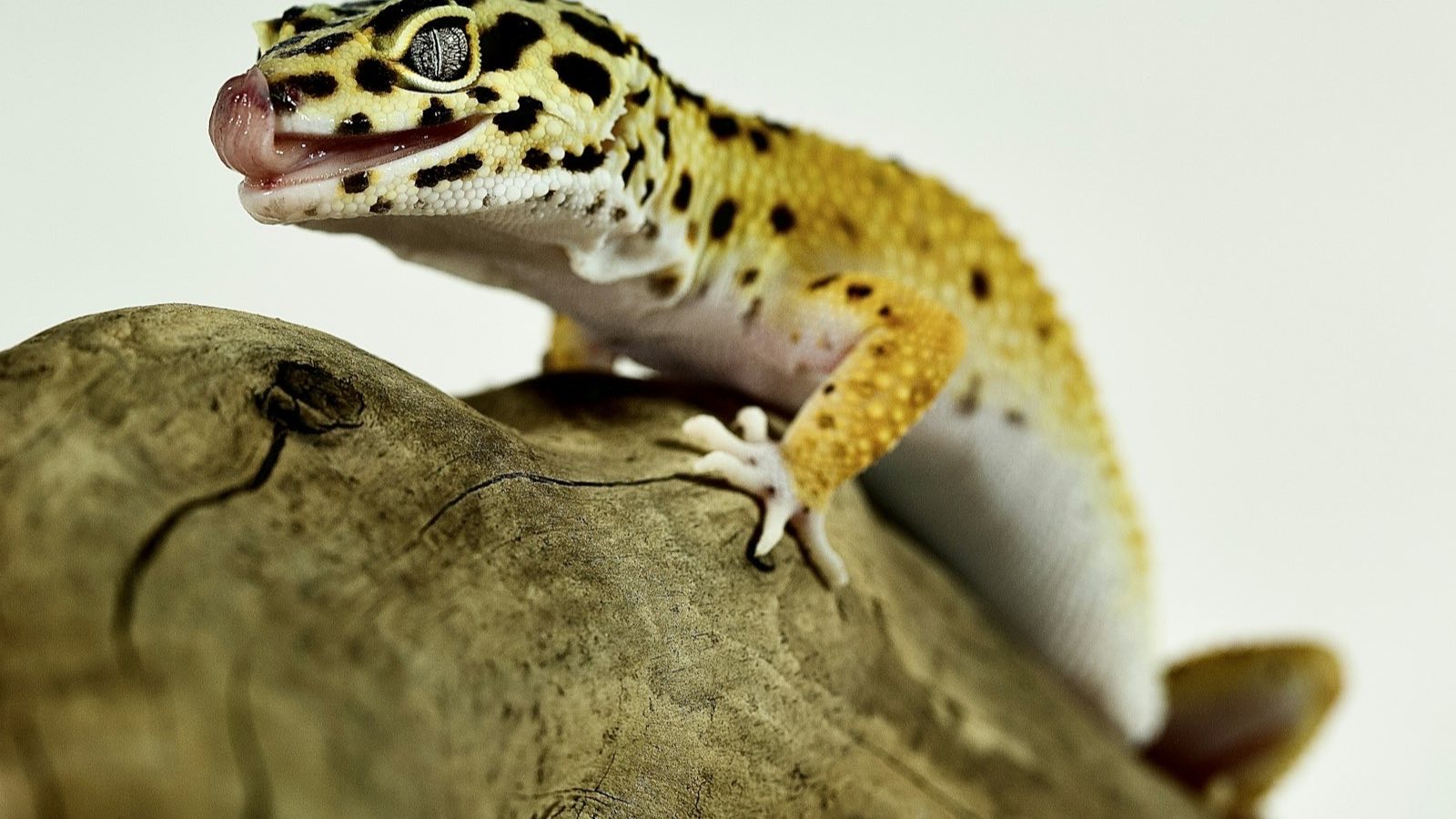
A Tunisian study on the uromastyx's road-related stress
Kechnebbou, Martín, Chammem, Arregui and Nouira published a study in 2019 in the Journal of Arid Environments on roads and urban areas as physiological stressors of spiny-tailed lizards (Uromastyx acanthinura) (see the study). Comparing wild individuals caught at different distances from roads and urban areas in Tunisia, the researchers measured markedly higher plasma and fecal corticosterone in lizards living close to these sources of disturbance, with levels more pronounced in males and in autumn.
What this changes about transporting an uromastyx
This measured sensitivity to noise and traffic, even in animals never handled by hand, highlights a point often underestimated during a car ride or a trip to the vet.
- Transport the uromastyx in an opaque, rigid carrier rather than a transparent one that lets it see and hear the outside commotion.
- Limit trips to quieter traffic hours when possible, and avoid long stops with the engine running near a noisy road.
- Allow a quiet recovery period after the trip rather than handling the animal or putting it straight back into a busy terrarium.
This caution builds on the guidance already given in our article on enrichment for the uromastyx, and pairs with the precautions detailed in our guide against heatwaves and terrarium overheating, an added risk during a trip in hot weather for this desert species.
Frequently asked questions
Is a captive-bred uromastyx just as sensitive to noise?
The study looked at wild individuals, but nothing suggests that a captive upbringing removes this physiological sensitivity to disturbance; it's safer to stay cautious with every individual.
Should car trips be avoided altogether?
No, but it helps to limit their frequency and take care of the trip conditions (darkness, relative quiet, stable temperature) to limit cumulative stress.
Does transport stress show up in behaviour?
A stressed uromastyx may appear more withdrawn, refuse food for a few days, or become more defensive; these signs justify spacing out handling sessions. Find all our guides on the reptile hub.
In our shop, for this use: Ventilated clear box for feeder insects, transport and quarantine, 19 cm (€17.90) · the whole shop
This guide is part of Planète Pets’s Reptiles universe. Our advice is general in nature: for any health concern, your veterinarian remains the only reference.