Transporting a reptile safely: box, heat pack and rules to know
Published by Planète Pets · managing editor: Clément Lacaille · how our guides are written
Vet visit, house move, adoption: every reptile keeper has to transport their animal one day. Yet a reptile outside its terrarium loses its heat source and finds itself exposed to cold, knocks and stress. With the right container, smart temperature management and a few common-sense precautions, the journey goes smoothly, even in the depths of winter. Planète Pets details the useful equipment and the basic rules to know before hitting the road.
Contents · 4 sections
The right container for each species
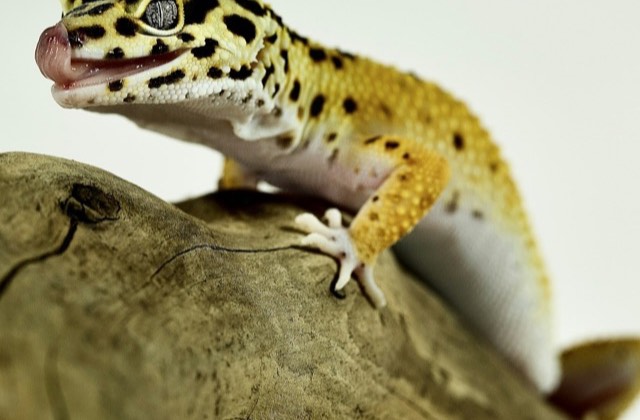
- Leopard gecko and bearded dragon: a rigid plastic fauna-box-style container (8 to 25 €) or a ventilated carrier, lined with paper towel and fitted with a small, wedged-in hide.
- Corn snake: the gold standard is a knotted cloth bag (a clean pillowcase or a purpose-made snake bag) placed inside a rigid box; darkness calms snakes remarkably well.
- Tortoise: a rigid crate with a non-slip floor, narrow enough to limit sliding, with no water during the journey.
In every case: no water bowl (it tips over), no loose substrate, ventilation holes, and an opaque or covered container — darkness greatly reduces stress.
Managing temperature, the real challenge
A reptile can handle a few hours of moderate coolness, but not a 10 °C car interior in winter or a 45 °C car at the height of summer. The right reflexes:
- In winter, a chemical heat pack (1 to 3 € apiece) or a lukewarm hot-water bottle, always out of direct contact: taped under the lid or separated from the animal by a layer of fabric, to prevent any burn.
- Pre-heat the car, and keep the box out of direct sunlight and away from the air vents.
- In summer, travel early in the morning and never leave the box in a parked vehicle.
- Slip a small digital thermometer into the box for long journeys.
What the regulations say, in a nutshell
In France, leopard geckos, bearded dragons and corn snakes may be kept without a permit within the headcount limits set by the regulations, but tortoises of the genus Testudo are protected species: keeping one requires a legally sourced, identified animal with the accompanying paperwork, to be kept with you when travelling. Before any cross-border transport or before rehoming an animal, check with the competent authorities or an exotics vet — the rules change over time and depend on the species.
Before and after the journey
Do not feed the animal in the 24 to 48 hours before a long trip, especially a snake, to avoid regurgitation. On arrival, return it to a pre-heated terrarium with its hides already in place, and give it a day or two of peace. Find our comparisons of transport boxes and travel accessories in the travel and safety section of Planète Pets.
An accessory from our shop for this use: Ventilated clear box for feeder insects, transport and quarantine, 19 cm (€17.90) · the whole shop
This guide is part of Planète Pets’s Reptiles universe. Our advice is general in nature: for any health concern, your veterinarian remains the only reference.