Terrarium enrichment for a crested gecko: branches, hides and climbing supports
Published by Planète Pets · managing editor: Clément Lacaille · how our guides are written
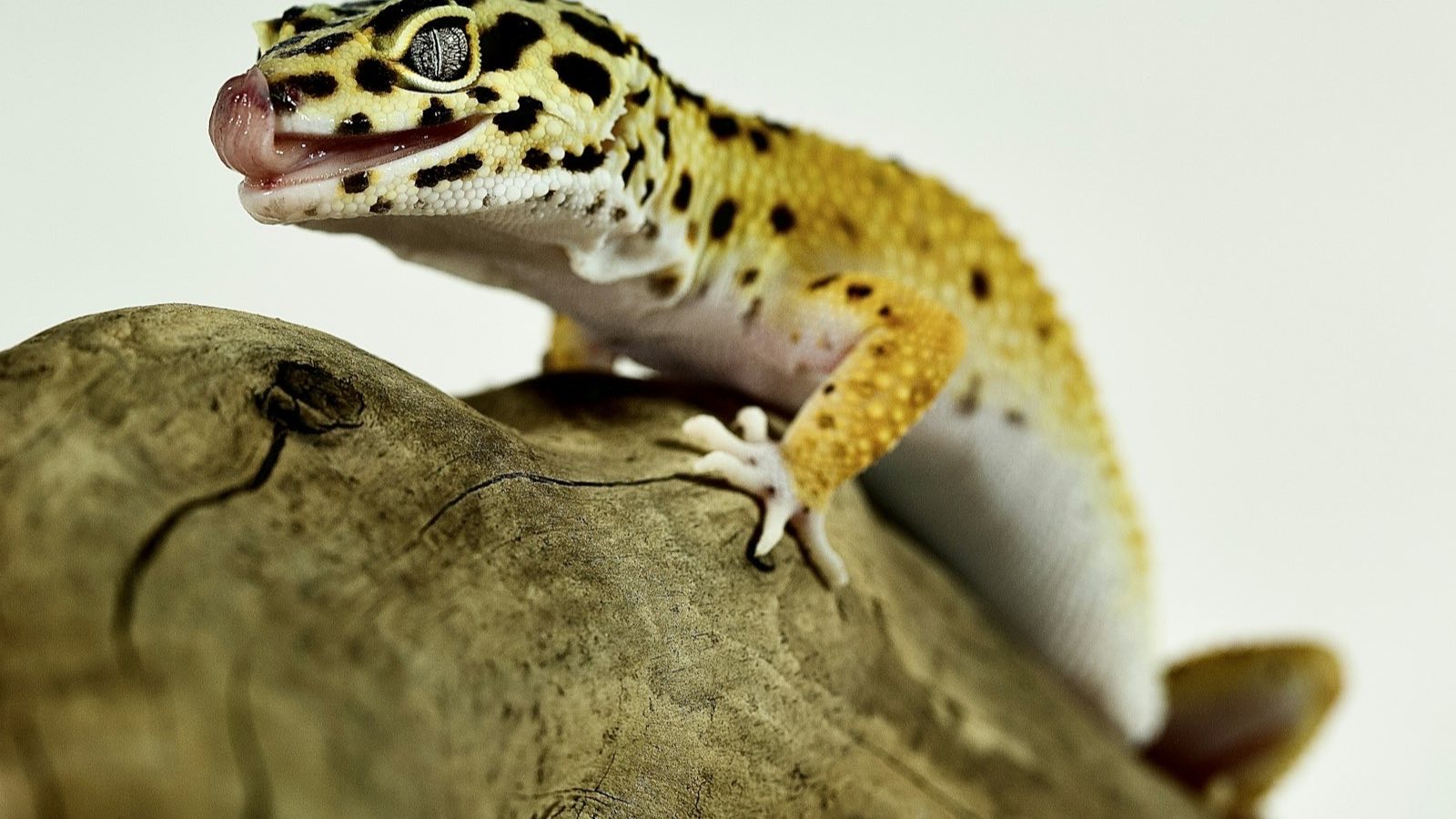
Beyond looks, a terrarium's layout directly shapes a crested gecko's behaviour and welfare — an arboreal species that needs a varied space to move through in order to express natural behaviour. A study by Bashaw and colleagues, published in 2016 in Applied Animal Behaviour Science, tested five types of enrichment in leopard geckos and found that feeding- and object-based enrichment improved behavioural welfare indicators, unlike a purely visual, non-interactive stimulus (see the study), a lesson that carries over to the crested gecko despite the two species' different lifestyles. All our toys and enrichment guides are gathered in the reptile toys and enrichment section.
Contents · 5 sections
Why does enrichment matter for an arboreal species?
A crested gecko confined to a sparse décor naturally limits its own movement, which can encourage weight gain and reduce the expression of natural behaviours such as nighttime exploration or ambush hunting. Multiplying footholds and possible routes instead encourages regular activity, benefiting the animal both physically and behaviourally.
What climbing supports should you choose?
- Branches of varying diameter: several sizes let the animal adapt its grip depending on activity, from a slow walk to a quick dash.
- Flexible artificial vines: they usefully complement rigid branches and match the species' natural climbing motion, as covered in our guide on branches and vines in a terrarium.
- Dense foliage: live or artificial broad-leaved plants, which double as hiding spots and elevated resting areas.
What hides and resting spots should you provide?
Several hides spread across different heights, not just on the floor, prevent a single shelter from becoming a source of conflict or stress in cohabitation setups, and let the animal freely choose its daytime resting spot based on ambient temperature and light.
Should you rotate the layout regularly?
Occasionally moving a few elements around, without overhauling everything at once, re-sparks exploration in an animal used to its décor, a principle covered in our guide on why and when to rearrange terrarium décor. Rearranging too often or too drastically, however, can create stress rather than stimulation; a measured pace, such as every two to three months, remains preferable.
Frequently asked questions
Does a minimalist décor still work for a beginner?
A simple décor can work at first to observe the animal, but it benefits from being gradually enriched with extra branches and hides once the gecko is well settled in.
Are commercial reptile toys worth it?
Some products sold as toys mainly add variety in texture and grip, genuinely useful as long as they don't replace the branches and foliage that remain the foundation of enrichment.
Does enrichment reduce stress during handling?
Indirectly, yes: an active animal well stimulated by its environment tends to be more confident during interactions than one kept in a sparse terrarium. Browse all our guides on the reptile hub.
See it in the Planète Pets shop: Stick-on digital thermometer for aquarium and terrarium glass (€18.90) · the whole shop
This guide is part of Planète Pets’s Reptiles universe. Our advice is general in nature: for any health concern, your veterinarian remains the only reference.