Should you regularly rearrange the terrarium decor?
Published by Planète Pets · managing editor: Clément Lacaille · how our guides are written
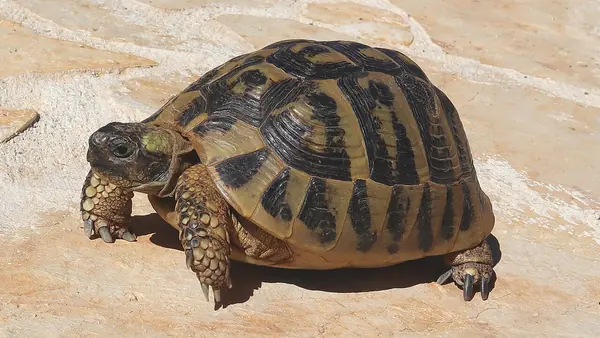
Occasionally rearranging a terrarium's decor stimulates some species' curiosity, but it is not a universal rule: a snake or a tortoise can instead be unsettled by changes that come too often. The right frequency mostly depends on the species' temperament.
Contents · 5 sections
Which species benefit from a changing decor?
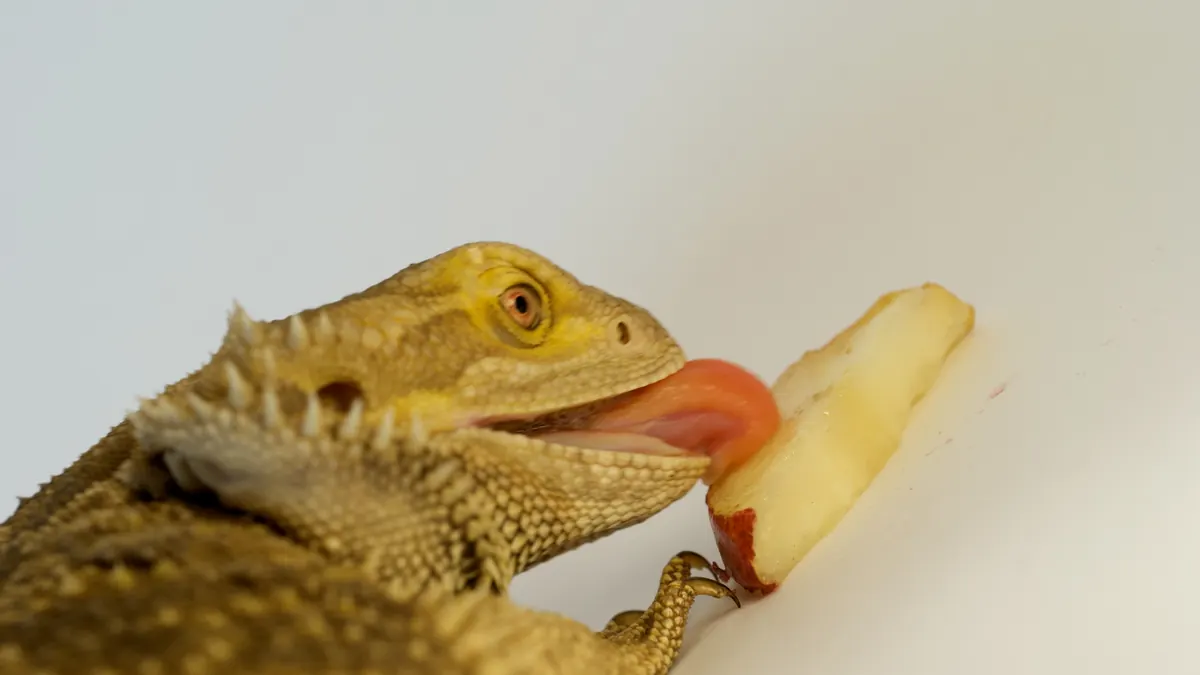
Bearded dragons and some curious geckos actively explore a new obstacle, a new hide or a moved branch: this works like a form of behavioural enrichment. See our reptile enrichment section for more ideas, alongside the hides and features already in place.
Which species prefer stability?
- Snakes: very sensitive to scent cues, changing things too often can create stress;
- Terrestrial and aquatic turtles: rely on memorised routes, particularly to find the basking spot;
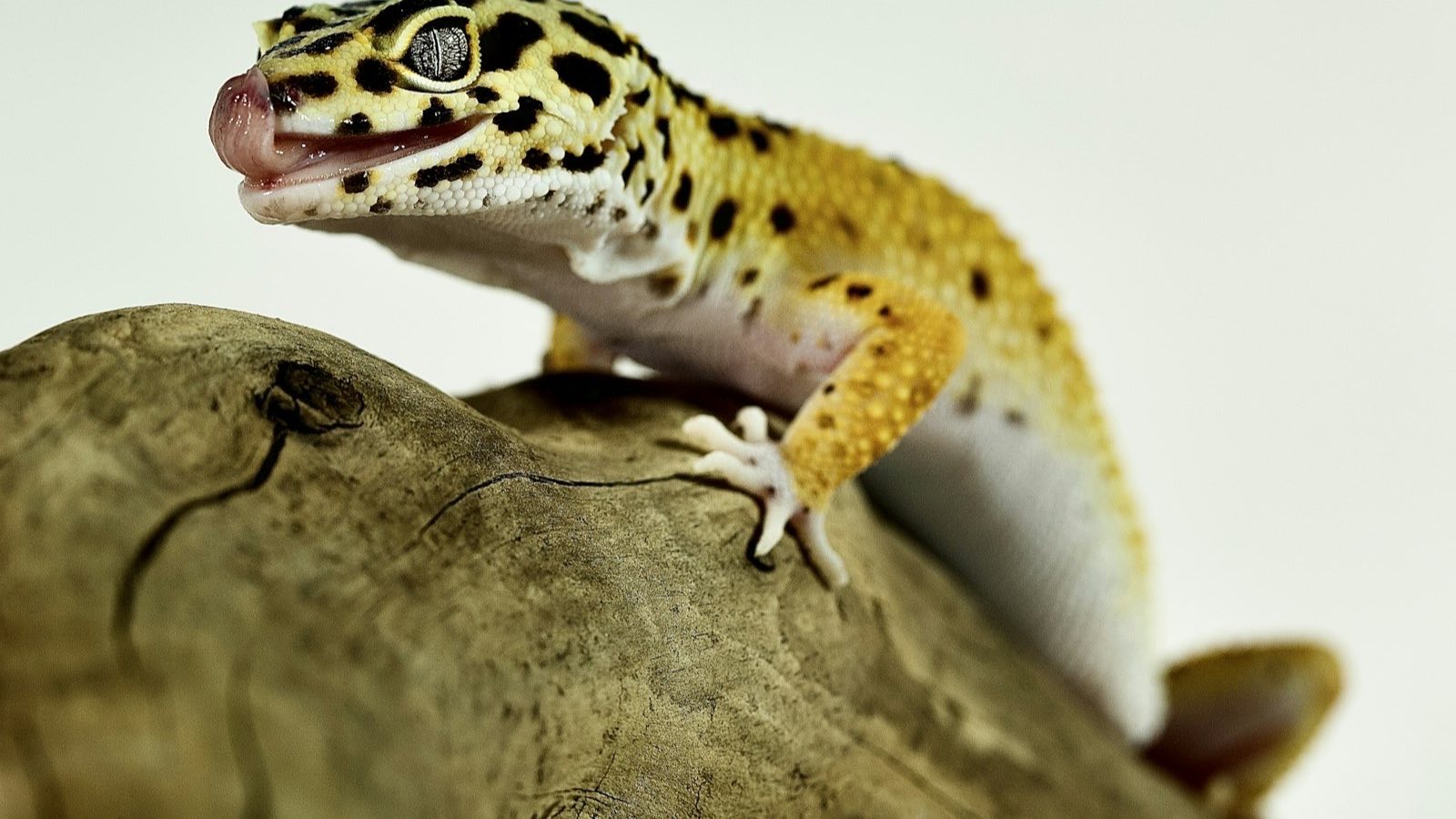
- Leopard geckos: mainly value the stability of their main hides, with small variations possible elsewhere.
Either way, never move essential elements (basking spot, humid hide, water bowl) all at the same time.
How often can you change the decor without stressing the animal?
Rotating secondary elements every four to eight weeks is plenty for most curious species. Add or move one element at a time rather than rearranging everything in a single session, so the animal can adapt gradually to its surroundings.
What precautions should you take when making a change?
Watch the animal's behaviour over the following days: active exploration is a good sign, while refusing to leave its main hide or a drop in appetite should instead prompt you to undo the change. Always keep at least one familiar scent cue, such as a piece of already-used substrate, when adding a new element.
Frequently asked questions
Can new decor make up for a lack of space?
No, enrichment complements a properly sized terrarium, it never compensates for a space that is too small for the species.
Should every new element be disinfected before introducing it?
Yes, any untreated element (wood collected outdoors, for instance) must be cleaned and sometimes baked at a low temperature before use.
Do young reptiles react differently to changes than adults?
Juveniles are often more sensitive to change-related stress: it is best to limit decor changes during the first few months.
This guide is part of Planète Pets’s Reptiles universe. Our advice is general in nature: for any health concern, your veterinarian remains the only reference.