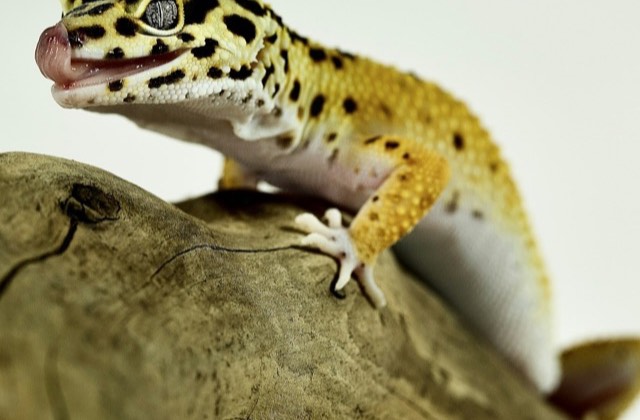
Bearded dragon: why the insects' calcium-to-phosphorus ratio is never enough on its own
Published by Planète Pets · managing editor: Clément Lacaille · how our guides are written
The bearded dragon (Pogona vitticeps) gets most of its calcium and vitamin D3 from its bowl, far more than from terrarium lighting alone. A review by Barboza and Bercier, published in 2024 in Veterinary Clinics of North America: Exotic Animal Practice, takes stock of bearded dragon nutrition in captivity and notes that recommendations still rest on limited data, which makes supplementation all the more essential to offset naturally unbalanced feeder insects (see the study). Find all our pointers in the food section.
Contents · 5 sections
Why insects alone never cover the calcium need
A cricket has a calcium-to-phosphorus ratio of roughly 1:10, a dubia roach around 2:3: in both cases phosphorus dominates, while a bearded dragon needs a ratio closer to 2:1 in calcium's favour. Without intervention, every meal of untreated insects widens this gap rather than closing it.
How to correct this imbalance day to day
Two levers work together: gut-loading, which means feeding the insects themselves a calcium-rich diet before offering them, and dusting the prey directly with pure calcium powder right before the meal. Black soldier fly larvae, naturally richer in calcium than crickets or dubias, reduce the need for dusting without removing it entirely.
What supplementation frequency to apply
For a juvenile bearded dragon, still growing, dusting at every insect meal remains the safest rule. In adulthood, frequency can spread out to two or three meals in four, provided the share of calcium-rich greens in the diet stays steady.
What a settled imbalance looks like
A prolonged calcium deficiency paired with excess phosphorus is the most common nutritional cause of metabolic bone disease in bearded dragons: a softened jaw, bowed legs, difficulty moving. These signs reflect months of imbalance, never a single missed dose.
- Crickets: calcium-to-phosphorus ratio around 1:10, needing systematic correction.
- Dubia roaches: around 2:3, a better profile but still insufficient alone.
- Black soldier fly larvae: naturally calcium-rich, a solid base supplement.
- Frequency: dusting at every meal for juveniles, spaced out for adults.
This supplementation fits alongside the rest of the diet, covered in our guide to feeding a juvenile and adult bearded dragon, and complements our pointers on dosing calcium and vitamins for reptiles in general.
Frequently asked questions
Is oral vitamin D3 supplementation needed if the dragon already gets UVB?
UVB remains essential for skin-synthesised vitamin D3, but a small margin of oral supplementation covers periods when exposure isn't perfect.
Can you stick to a single insect type all year?
No, varying prey limits deficiencies specific to one insect species and enriches the overall nutritional profile of the diet.
Does gut-loading replace dusting?
No, the two work together: gut-loading improves the insect's baseline profile, dusting adds a direct dose at mealtime.
An accessory from our shop for this use: Ventilated clear box for feeder insects, transport and quarantine, 19 cm (€17.90) · the whole shop
This guide is part of Planète Pets’s Reptiles universe. Our advice is general in nature: for any health concern, your veterinarian remains the only reference.