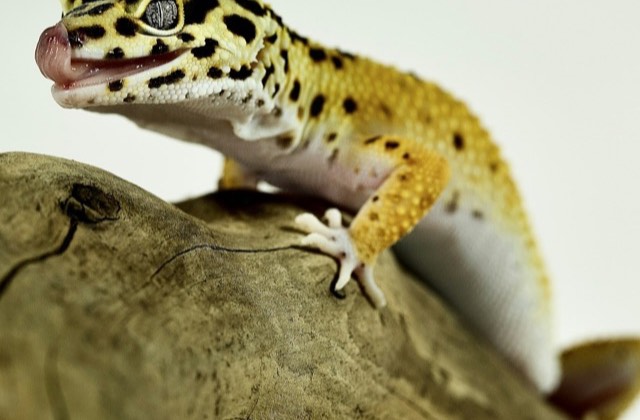
Should you vary the insects you feed an insectivorous reptile?
Published by Planète Pets · managing editor: Clément Lacaille · how our guides are written
Sticking to a single insect type, often crickets for ease of breeding, deprives the reptile of a fuller nutritional profile: each prey item offers a different ratio of protein, fat and minerals. Varying the insects offered brings the diet closer to the naturally diverse range the animal would find in the wild.
Contents · 5 sections
Why does feeding the same thing every time cause problems?
A diet made up only of crickets or mealworms can create long-term imbalances, particularly excess fat from mealworms eaten too often. Combining several sources helps smooth out these gaps without needing to calculate every intake precisely, as long as you stick to prey sized appropriately for the animal's age.
Which prey should you rotate by species?
- Crickets: the classic base, high in protein, generally excellent acceptance;
- Mealworms and superworms: better as a supplement than a base diet, see our guide on gut-loading mealworms;
- Roaches: good protein content, usually well accepted and easy to breed alongside crickets;
- Occasional stick insects or locusts: extra variation for reptiles already used to a broad diet.
See our reptile feeding section for more pointers on building a balanced weekly menu.
How do you introduce a new prey item safely?
Offer the new insect species in a small quantity the first time and watch the animal's reaction over the following hours. A healthy reptile generally accepts a new appropriately sized insect well, but some individuals are wary at first: persisting over a few days is usually enough.
Does variety change the calcium dose?
No, dusting with calcium and vitamins is still needed regardless of the prey chosen: variety improves the overall quality of the meals, it does not replace mineral supplementation matched to the animal's age.
Frequently asked questions
How many different insect types should you offer per week?
Two to three rotated species are plenty for an adult reptile, there's no need to multiply sources further.
Is breeding several insect species at home complicated?
No, crickets and mealworms keep easily in separate bins with little equipment, which makes rotating them simple to organise.
Does a juvenile reptile need the same variety as an adult?
Yes, but with consistently smaller prey: variety benefits growth just as much as it helps maintain an adult.
See it in the Planète Pets shop: Ventilated clear box for feeder insects, transport and quarantine, 19 cm (€17.90) · the whole shop
This guide is part of Planète Pets’s Reptiles universe. Our advice is general in nature: for any health concern, your veterinarian remains the only reference.