Feeding a Ball python: diet, supplements, food refusals
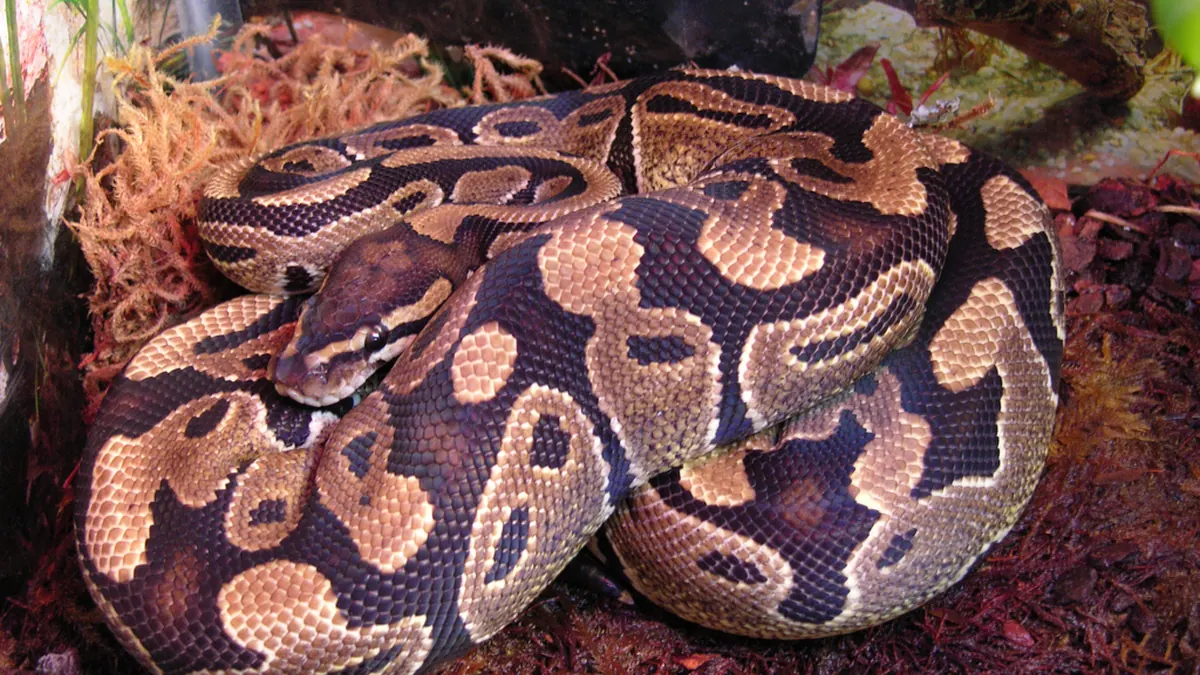
.jpg)
Ball python : Frozen-thawed rodents (mice, then small rats) every 7 to 14 days depending on age. Seasonal fasting is classic in adults: track weight rather than the calendar before worrying.
Outside our shipping area? The downloadable practical guide: Your First Terrarium: Leopard Gecko, Bearded Dragon, Corn Snake, Ball Python (€15)
In short: 100 to 150 cm as an adult, 20 to 30 years of lifespan, suited to well-informed beginners. Placid, it curls into a ball rather than biting and tolerates short, regular handling well. Its multi-week feeding refusals, usually harmless, unsettle beginners: patience, not force-feeding, resolves most cases.
The Ball python diet, precisely
A carnivore: frozen-thawed rodents (mice, then small rats) every 7 to 14 days by age, with frequent seasonal fasting in adults tracked by weight rather than the calendar. Temperature governs digestion: a Ball python kept below its 31-33°C basking spot digests poorly and eventually refuses food — faced with a refusing animal, check the thermometer before the menu.
Supplements and meal rhythm
Respect the species’ rhythm: prey sized to the head, a normal digestive fast after meals, and monthly weighing to make the curve objective — an occasional refusal is trivial, weight loss never is.
Water and hydration
A stable water dish changed daily, big enough for a soak if the animal wants one — many drink little but bathe before shedding. Dehydration shows in skin folds and sunken eyes: that means the exotics vet, not the mister alone. The full profile is on the full Ball python profile.
Frequently asked questions
What does a Ball python eat?
A carnivore: frozen-thawed rodents (mice, then small rats) every 7 to 14 days by age, with frequent seasonal fasting in adults tracked by weight rather than the calendar.
Why is my Ball python refusing food?
Check temperatures first (basking spot at 31-33°C): too cold means no digestion. Then shedding and settling-in stress — and in ball pythons, unremarkable seasonal fasts of several weeks — but measured weight loss calls for the exotics vet.
The guides that apply to you
- Day gecko: why nectar colour matters more than taste, according to a study
A South African study tested the artificial nectar preferences of the giant day gecko. Colour carries more weight than expected, and a trace of toxin does not always put it off.
- Does a tokay gecko prefer bigger prey? What a two-choice study found
Small cricket or large one: a study placed tokay geckos in front of a prey-size choice. The result nuances the idea of a predator that always calculates the best meal.
- Frozen prey for snakes: buying, storage and thawing
Frozen prey for snakes: where to buy pinkies and rats, prices from 0.50 to 4 € each, freezer storage and safe thawing.
- Reptile refusing to eat: common causes before you worry
Reptile refusing to eat: the most common causes (temperature, shedding, brumation) before you worry, and when to see an exotics vet.