Transporting a Ball python: box, temperature and paperwork
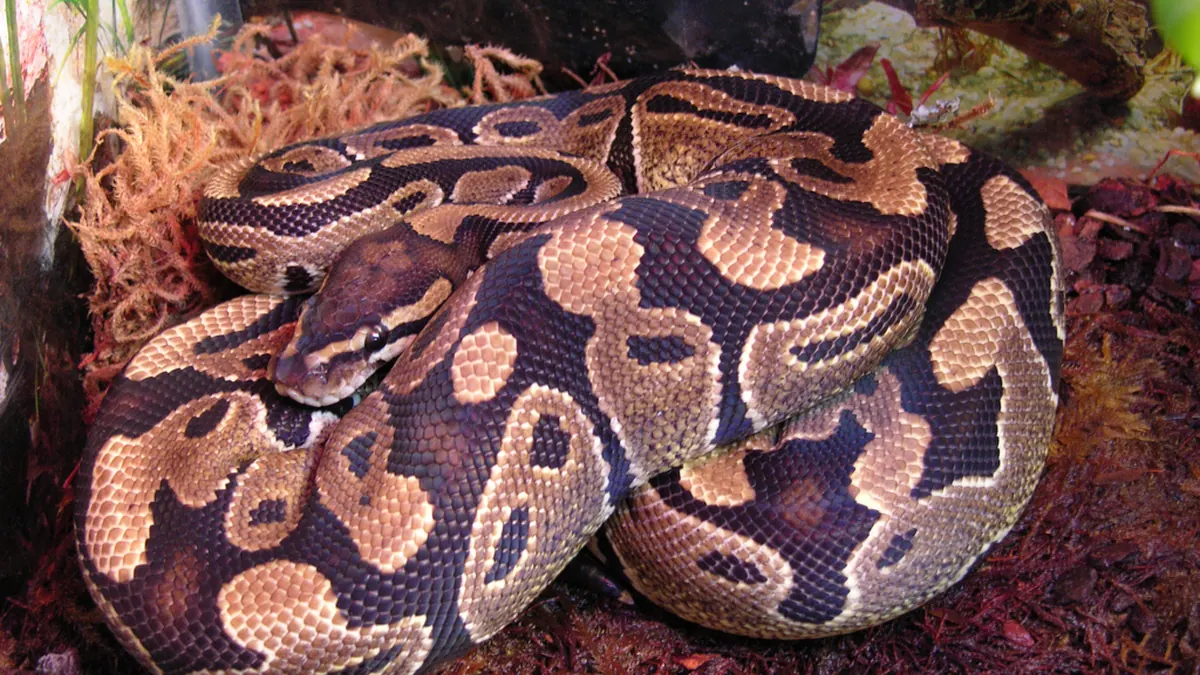
.jpg)
Ball python : Fabric snake bag inside an insulated (not refrigerated) cooler: ball pythons suffer below 20 °C. Add a wrapped heat pack for winter journeys.
In our shop, for this use: Ventilated clear box for feeder insects, transport and quarantine, 19 cm (€17.90) · the whole shop
Our products don’t ship to you yet, but the PDF practical guide is instant: Your First Terrarium: Leopard Gecko, Bearded Dragon, Corn Snake, Ball Python (€15)
In short: 100 to 150 cm as an adult, 20 to 30 years of lifespan, suited to well-informed beginners. Placid, it curls into a ball rather than biting and tolerates short, regular handling well. Its multi-week feeding refusals, usually harmless, unsettle beginners: patience, not force-feeding, resolves most cases.
Transporting an ectotherm
A Ball python’s vehicle: a snug rigid box (sliding causes injuries), a few air holes, a paper or cloth floor, and complete darkness standing in for an anxiolytic. In winter, a chemical heat pack wrapped and fixed OUT of direct contact: a Ball python does not always feel a burn before the lesion.
Temperature: the journey’s only real constraint
The target: keep the box between 26-28°C and 31-33°C for the whole trip. Pre-temper the car, never use the boot in summer or park in the sun — for an animal that produces no heat of its own, a ten-minute lapse does what ten hours would to a mammal. Long trips are planned for early morning in summer, midday in winter.
Paperwork and the legal framework
Listed on CITES Appendix II and Annex B of EU Regulation 338/97: when buying, require proof of legal origin (a CITES number or captive-breeding certificate). These documents accompany the animal on EVERY journey — a road check can demand them, and their absence exposes you to the animal’s seizure.
Frequently asked questions
How do you take a Ball python to the vet?
The protocol: a snug dark rigid box, mental thermometer set to 26-28°C to 31-33°C, a wrapped heat pack in cold weather, and the most direct route possible.
What paperwork does a Ball python require?
Listed on CITES Appendix II and Annex B of EU Regulation 338/97: when buying, require proof of legal origin (a CITES number or captive-breeding certificate).
The guides that apply to you
- Handling a European pond turtle triggers a real fever, with no infection at all
In the European pond turtle, handling alone raises the preferred body temperature and heart rate, like a fever — without any infectious agent involved.
- Hognose snake: playing dead doesn't mean less stressed
A US field study measured corticosterone in hognose snakes based on their reaction to capture: fleeing, active defence, and death-feigning all triggered a comparable stress rise.
- Transporting a Hermann's tortoise to the vet: what a study on handling stress reveals
A study on handling-induced tachycardia in a tortoise shows why a vet trip deserves more care than its slow, armoured passenger suggests.
- Transporting a Bearded Dragon to the Vet or on a Trip Without Stress
How do you transport a bearded dragon? A suitable box, keeping it warm, a calm journey and gentle re-acclimation to limit the reptile's stress.