Teaching a parrot to talk: method and the most gifted species
Published by Planète Pets · managing editor: Clément Lacaille · how our guides are written
Teaching a parrot to "talk" is a genuine vocal-learning process, not a simple reflex of mimicry. Research led by scientist Irene Pepperberg with an African grey parrot named Alex, extensively documented (Irene Pepperberg's research), showed that a parrot can use words referentially — to name, request or categorize objects — not merely repeat them mechanically. It puts the image of the mindless "parroting" parrot into perspective. Find our other enrichment ideas in the bird toys and enrichment section.
Contents · 4 sections
Which species learn to talk best?
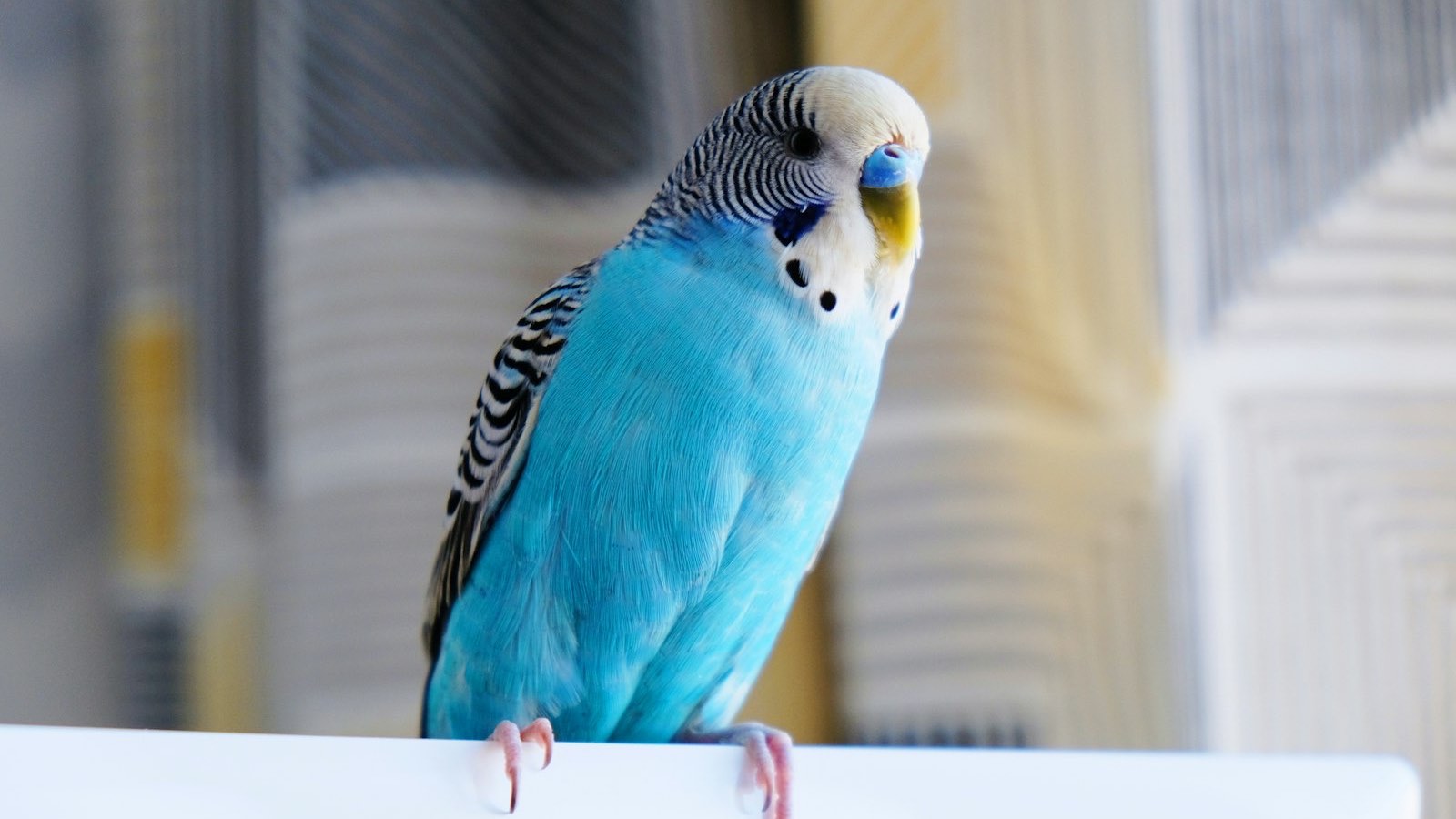
The African grey remains the benchmark for complex vocal learning, closely followed by the Amazon parrot and some cockatoos. Budgerigars, despite their small size, often build a surprisingly large vocabulary in males. Macaws and lovebirds, by contrast, tend to be poor "talkers", even though they make up for it with a very rich repertoire of calls and whistles.
The method that actually works
A parrot learns a word tied to a repeated context, not an isolated list. Choose short words spoken with a consistent tone, always in the same situation ("hello" at every arrival, a food's name as you offer it). A few minutes a day, without forcing a distracted or stressed bird, gives far better results than one long isolated session. Clicker training can actually reinforce this learning by pairing a precise sound with an immediate reward, a technique that transfers well to vocal learning.
What vocal learning reveals about a bird's well-being
A parrot that vocalizes readily, without being pushed, is generally a relaxed, well-stimulated bird. Conversely, prolonged silence or a sudden loss of interest in interaction can signal distress worth watching, alongside the other signs a bird is sick.
Frequently asked questions
Do all African greys learn to talk?
No, some individuals stay silent or say little their whole lives without this signaling a health problem — individual personality plays a major role.
At what age should training start?
As soon as the bird is settled and relaxed in its new environment, often after a few weeks of adjustment, with no strict age limit to begin.
Should the bird be isolated to learn faster?
No, isolation harms its overall well-being. A well-socialized bird, stimulated daily, learns just as well, if not better.
In our shop, for this use: Woven palm leaf foraging toy for parrots (€18.90) · the whole shop
This guide is part of Planète Pets’s Birds universe. Our advice is general in nature: for any health concern, your veterinarian remains the only reference.