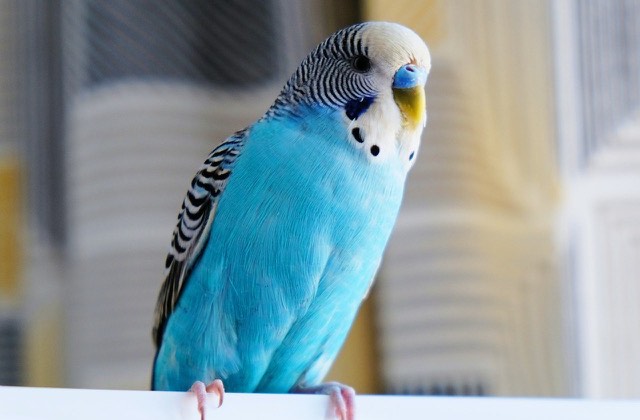
Millet spray: a top treat for budgies and canaries, to dose with care
Published by Planète Pets · managing editor: Clément Lacaille · how our guides are written
Millet spray is arguably the most universally loved treat for small cage birds: budgerigars, cockatiels, canaries and finches dive into it with enthusiasm. This cluster of small seeds still on their stem is both a pleasure food and a wonderful enrichment, but its richness demands moderation. An overly fatty diet and lack of activity are among the documented causes of obesity in pet birds. Find our other pointers in the food section.
Contents · 4 sections
Why birds love it
Beyond taste, millet spray stimulates the natural foraging and husking behaviour: the bird has to cling, pull and peel each seed, an activity that occupies and reassures. It is an excellent tool for a fearful bird, a newcomer or a bored individual. This occupational dimension extends what we cover in our article on cuttlebone and mineral blocks.
A treat, not a meal
The pitfall is leaving a spray out permanently: the bird then neglects its balanced ration in favour of these rich seeds, with a risk of overweight and deficiencies. Millet spray should stay an extra, given in small amounts a few times a week, not a menu staple. The base remains a suitable mix and greens, as detailed in the budgerigar's ideal ration and in budgie and canary feeding.
Using it well
Use it as a reward during taming or hand work, and as enrichment by hanging it in different spots of the cage to encourage movement. Choose quality millet, golden and mould-free, and remove the stem once peeled. For an overweight or inactive bird, cut the frequency further.
Frequently asked questions
How much millet per week?
A few centimetres of spray two to three times a week is enough for a small bird. Adjust downward if it gains weight or moves little.
Does millet spray replace the usual seeds?
No: it is a treat, not a complete ration. It does not cover all of the bird's nutritional needs.
Can fledglings eat it?
Yes, millet spray is often well accepted by young birds during weaning, alongside a suitable diet.
An accessory from our shop for this use: Acrylic no-mess feeder for budgies (13 × 11 × 13 cm) (€33.90) · the whole shop
This guide is part of Planète Pets’s Birds universe. Our advice is general in nature: for any health concern, your veterinarian remains the only reference.