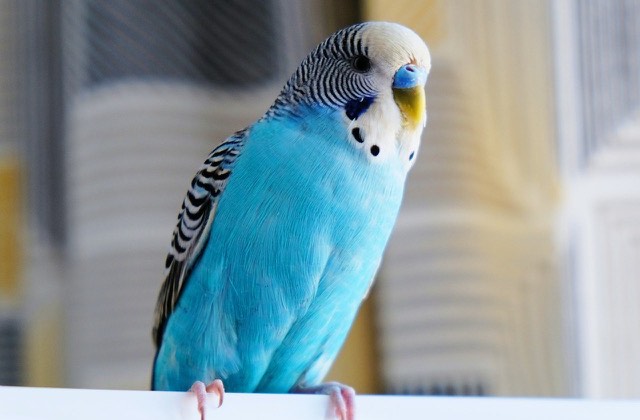
Cockatiel diet: seeds, pellets, and fruit
Published by Planète Pets · managing editor: Clément Lacaille · how our guides are written
The cockatiel (Nymphicus hollandicus) is one of the most common companion parrots, but also one of the most exposed to an unbalanced diet. A diet made up only of fatty seeds promotes deficiencies and excess weight. A study published in 2015 on the transition from a seed-based diet to a complete diet in cockatiels documented how to move these birds toward a more balanced ration. Our nutrition guides are gathered in the bird food section.
Contents · 5 sections
Why an all-seed diet is a problem
Seed mixes are palatable but often too rich in fat and low in certain nutrients. The bird sorts out its favourites, which worsens the imbalance and can lead to obesity and fatty liver disease.
The place of pellets
Pellets (complete formulated food) provide a uniform composition the bird cannot sort through, which secures its nutrient intake. The transition should be gentle, as explained in our guide on switching from seeds to pellets.
Fruit, vegetables, and freshness
- Varied vegetables: the fresh share brings daily fibre and vitamins.
- Fruit in small amounts: appreciated but sugary, so a supplement rather than a base.
- Foods to ban: avocado, chocolate, and other toxic items remain strictly forbidden.
Preventing obesity
A measured ration, out-of-cage exercise, and regular weighing limit the weight gain common in a sedentary cockatiel. To choose a suitable first bird, see our comparison of a budgie or cockatiel as a first bird.
Frequently asked questions
Should you remove seeds entirely?
No, they can remain a minor share and serve as treats or training rewards.
How much fruit per day?
A small portion is enough: fruit is a sugary extra, not the base of the ration.
My cockatiel refuses pellets, what should I do?
Go very gradually, mixing them into the seeds at first and never starving the bird. Browse all our guides on the bird hub.
An accessory from our shop for this use: Acrylic no-mess feeder for budgies (13 × 11 × 13 cm) (€33.90) · the whole shop
This guide is part of Planète Pets’s Birds universe. Our advice is general in nature: for any health concern, your veterinarian remains the only reference.