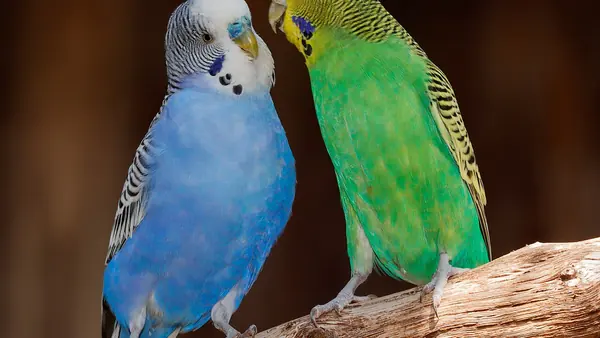
Switching from seeds to pellets: the gentle method that works
Published by Planète Pets · managing editor: Clément Lacaille · how our guides are written
Switching from seeds to pellets is done gradually, over 4 to 8 weeks, by mixing the two foods and slowly reducing the share of seeds. An abrupt change exposes the bird to a dangerous food strike: a small parrot that does not eat for 24 to 48 hours is a veterinary emergency.
Contents · 5 sections
Why replace seeds with pellets?
A seed mix lets the bird pick and choose: it gorges on fatty seeds (sunflower, millet) and ignores the rest, leading to vitamin A and calcium deficiencies and an overworked liver. Pellets are complete formulated nuggets in which every bite delivers the same nutrition. Most avian vets recommend 60 to 80% pellets, rounded out with safe fresh fruit and vegetables. For the basics of the daily ration, revisit our guide to the budgie and canary diet.
How do you manage the transition without stress?
- Weeks 1-2: 25% pellets mixed into the usual seeds, in the same bowl.
- Weeks 3-4: 50/50, crushing a few pellets into powder over the seeds to get the bird used to the taste.
- Weeks 5-6: 75% pellets, with seeds served only in the evening in limited amounts.
- Daily checks: weigh the bird (a 15-25 € kitchen scale is fine) and watch the droppings; any weight loss above 5% means you must slow down.
Which pellets should you choose, and at what price?
Pick a range sized for the species (mini for budgies, small for cockatiels, medium for African greys), ideally without artificial colouring. Expect 8 to 15 € per kilo for the recognised veterinary brands; a one-kilo bag covers roughly two months for a budgie. Our comparisons in the bird food category break down the ingredient lists.
What if the bird refuses point-blank?
Some birds, especially adults, put up a fight. Proven tricks: serve pellets in the morning when appetite peaks, eat (or pretend to eat) in front of the bird, lightly moisten the pellets, or offer them in a foraging toy. If the standoff lasts beyond two months or the bird loses weight, see an avian vet rather than forcing the issue.
Frequently asked questions
Are pellets suitable for canaries?
Yes, fine-grade pellets exist for straight-beaked birds, but the transition is often longer than with budgies. Many breeders keep 40 to 50% seeds for canaries.
Can you go back to seeds after the transition?
You can, but it is a shame: the benefits (plumage, liver, longevity) build over time. Keep seeds as training rewards instead.
Are coloured pellets dangerous?
Not strictly dangerous, but the dyes add nothing. At equal cost, choose a natural recipe.
This guide is part of Planète Pets’s Birds universe. Our advice is general in nature: for any health concern, your veterinarian remains the only reference.