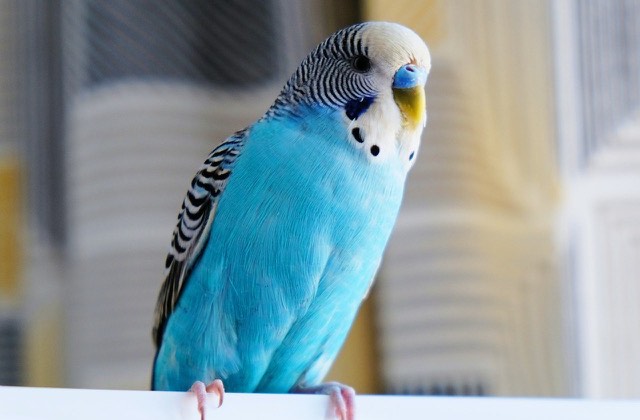
Stone fruit (peach, apricot, cherry, plum) for birds: what precautions to take?
Published by Planète Pets · managing editor: Clément Lacaille · how our guides are written
The ripe flesh of a peach, apricot, cherry or plum can safely be offered to most pet birds, in small amounts and well washed. The pit itself, however, should always be removed before giving the fruit: this isn't just a choking hazard, it's a matter of toxicity.
Contents · 5 sections
Why is the pit of stone fruit a problem?
The kernel inside the pit of Prunus fruit — peach, apricot, cherry, plum, as well as bitter almond — contains amygdalin, a compound that releases hydrogen cyanide when the tissue is damaged, for example by a beak or through chewing. A landmark review by Ewa Jaszczak-Wilke and colleagues, published in 2021 in the journal Molecules, details this cyanide-release mechanism and notes that the toxic dose depends directly on the amount of kernel ingested relative to body weight (see the study). Relative to the very low body weight of a pet bird, even a small amount of kernel represents a proportionally much higher risk than for a heavier animal.
Which stone fruits does this apply to?
- Peach and nectarine: the flesh is safe, but the pit must be fully removed, including small fragments that can stick to the flesh after cutting.
- Apricot: same rule; the flesh is rich in beta-carotene and well liked, but the pit must be set aside before offering the fruit.
- Cherry: flesh is safe in very small amounts given its sugar content, and the pit must always be removed despite its small size, which makes it easy to miss.
- Plum: same principle, cutting the fruit in half to visually confirm no pit fragment remains.
How do you prepare stone fruit safely?
Always cut the fruit into pieces before offering it rather than giving it whole: this lets you remove the pit completely and visually check for fragments. Rinse the skin under clean water even if it won't be eaten, to limit residue. Never leave a cut piece of fruit in the cage for more than a few hours, since the flesh ferments quickly at room temperature. Our general guidance on fruits and vegetables is in our article on safe fruits and vegetables for birds, and the full list of foods to avoid is in toxic foods: the full list of dangers.
What if a bird accidentally bites a pit?
A single accidental bite on an intact pit, swallowed quickly without prolonged chewing, generally doesn't cause serious poisoning, since the kernel stays protected by its shell as long as it isn't crushed. But if the bird has clearly gnawed or cracked a pit, or shows unusual signs afterward — breathing difficulty, weakness, vomiting — contact an avian vet without delay. All our feeding guidance is gathered in the bird food section.
Frequently asked questions
Does the skin of stone fruit need to be removed?
No, the skin isn't part of this risk and can stay on, as long as it's well washed; only the pit must always be set aside.
Do dried stone fruits carry the same risk?
The risk only concerns the kernel inside the pit, never present in a commercial pitted dried fruit; just check for added sugar or sulphur preservatives.
Is a small amount of stone fruit flesh enough per meal?
Yes, a few small pieces two to three times a week are plenty for a small to medium-sized bird, alongside a balanced base diet.
An accessory from our shop for this use: Acrylic no-mess feeder for budgies (13 × 11 × 13 cm) (€33.90) · the whole shop
This guide is part of Planète Pets’s Birds universe. Our advice is general in nature: for any health concern, your veterinarian remains the only reference.