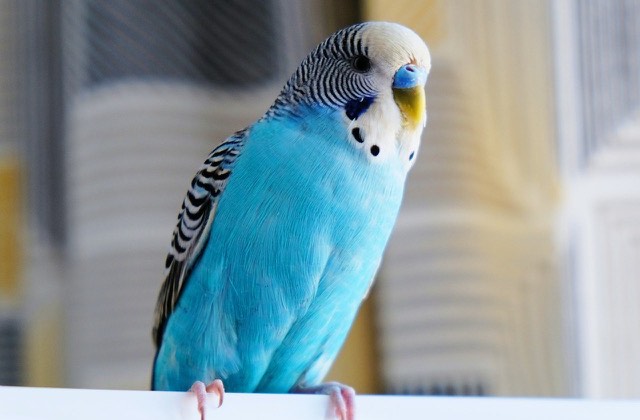
Sexing a bird: visible dimorphism, DNA testing or endoscopy
Published by Planète Pets · managing editor: Clément Lacaille · how our guides are written
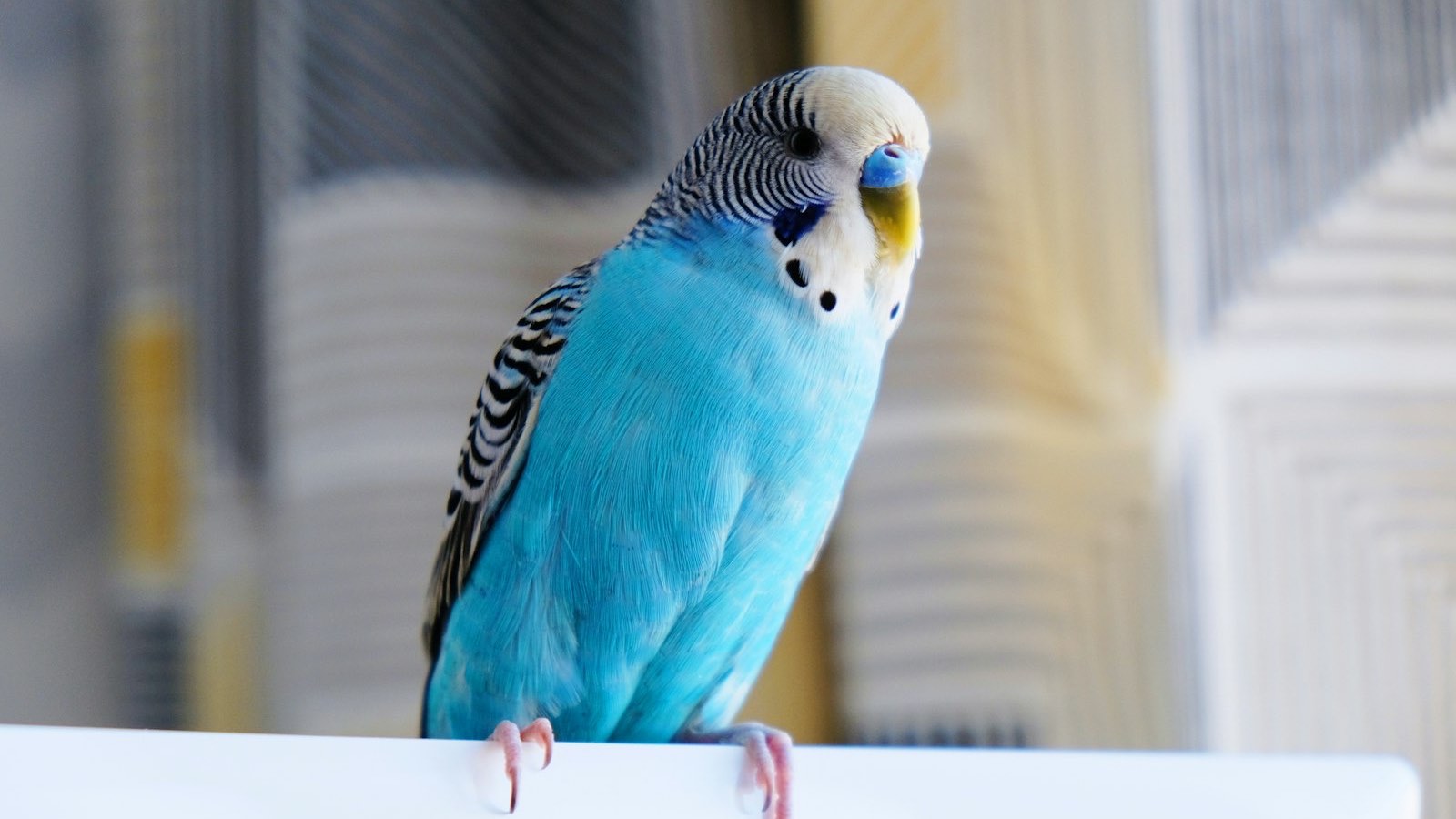
In an adult budgerigar, the colour of the cere above the beak (blue in males, brown or beige in females) is enough to settle the question. But in most common parrots, canaries and standard cockatiels, males and females look identical: there is no way to sex them by eye. The field's landmark reference remains the study by Griffiths, Double, Orr and Dawson, published in 1998 in Molecular Ecology, which established the DNA test now used to sex nearly all bird species (see the study). Find our other pointers in the accessories section.
Contents · 5 sections
Visible dimorphism, where it exists
In some species (budgerigars, certain lovebirds, some colour canaries), a simple look is enough: cere colour, plumage shade or relative size settle the question at no cost and no stress. It's the fastest method, but it only applies to a minority of commonly kept species.
DNA testing: reliable and non-invasive
For most parrots (African greys, Amazons, macaws, cockatiels) and many finches, a lab determines sex from a few growing feathers or a drop of blood taken from a claw. Results come back within a few days at a modest cost, with near-100% reliability. It is now the reference method recommended by most avian vets, especially before any legal identification project: see also our guide to leg bands and microchips.
Endoscopy: reserved for specific cases
This surgical method, performed under anaesthesia, lets the vet directly examine the reproductive organs, and today it is reserved for situations where a DNA test isn't enough: assessing sexual maturity, checking gonad condition before breeding, or diagnosing a laying disorder. It carries the risks inherent to any anaesthesia and is no longer the first choice for simple, convenience sexing.
Choosing between the two lab methods
For a companion bird with no breeding project, a DNA test almost always settles the question at a fraction of the cost and risk of endoscopy. Keep endoscopy in reserve for a breeder assessing a pair's readiness, or a vet investigating symptoms where seeing the ovaries or testes directly changes the diagnosis.
Frequently asked questions
Does DNA testing hurt the bird?
No: a sample of growing feathers or a claw prick is enough, with no anaesthesia or prolonged stress.
At what age can a chick be sexed?
DNA testing works from the first few weeks of life, well before any visual dimorphism might appear in adulthood.
Is sexing mandatory for every bird?
No, it's only useful for breeding, planned cohabitation, or a legal identification process that requires knowing the bird's sex.
An accessory from our shop for this use: Acrylic no-mess feeder for budgies (13 × 11 × 13 cm) (€33.90) · the whole shop
This guide is part of Planète Pets’s Birds universe. Our advice is general in nature: for any health concern, your veterinarian remains the only reference.