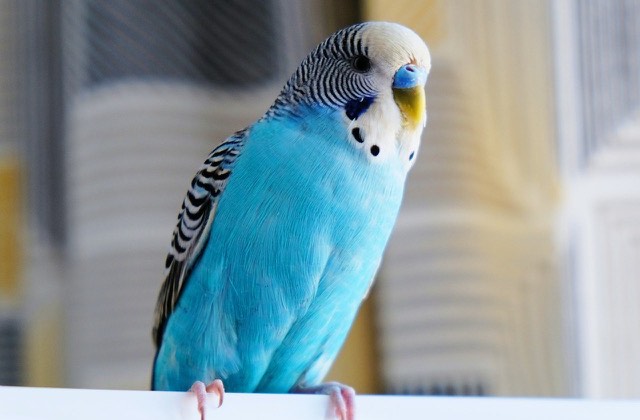
First bird: the 8 mistakes almost every beginner makes
Published by Planète Pets · managing editor: Clément Lacaille · how our guides are written
A first bird almost always comes with the same mistakes: a too-small cage bought as a kit, a bird adopted alone, a 100 % seed diet and unsuitable accessories. The good news: all of them are easy to fix once you know them. Here are the eight classic traps, and how to avoid them from day one.
Contents · 5 sections
Which equipment mistakes cost the most?
- The too-small « budgie special » cage: the 40 € kits are 40 cm long, you need double that. See our comparison cheap or premium cage.
- The round cage: stressful and impossible to furnish — we explain why to avoid it.
- The kit's plastic perches: one single diameter, a source of foot problems.
- The mirror: behavioural trouble in the making for a lone bird.
Buying the right gear again afterwards costs more than equipping yourself properly from the start: the accessories section details what you actually need.
Why is adopting a single bird so often a mistake?
Budgies, cockatiels, canaries and zebra finches are social species. Alone, the bird calls, gets bored, sometimes plucks itself. Unless a human is present almost constantly, adopt a duo: our article one budgie or two details the right combinations.
Which feeding mistakes should you watch out for?
Unlimited seed leads to fatty liver and excess weight: ration it (about two teaspoons a day for a budgie), and introduce fresh vegetables and pellets gradually. Another trap: daily honey treat bars, to be kept for special occasions.
Which behaviour mistakes hold back taming?
Trying to touch the bird on day one, grabbing it by hand inside the cage, or letting it out before it knows its cage: all recipes for lasting fear. Allow a week to settle in, approach with millet in hand, and never force contact. Finally, do not wait to identify an avian vet near you: the day the bird falls ill, it is too late to start searching — a bird masks its symptoms until the last moment.
Frequently asked questions
What budget do I need for a good start?
Around 150 to 250 € for two properly equipped budgies: an 80 cm cage, wooden perches, toys, quality seed and vegetables.
How long before a bird is tame?
From a few weeks to several months depending on age and history: regular short daily sessions matter more than their length.
Should I cover the cage at night?
It helps if the room stays lit late: birds need 10 to 12 hours of calm, dark night.
See it in the Planète Pets shop: Woven palm leaf foraging toy for parrots (€18.90) · the whole shop
This guide is part of Planète Pets’s Birds universe. Our advice is general in nature: for any health concern, your veterinarian remains the only reference.