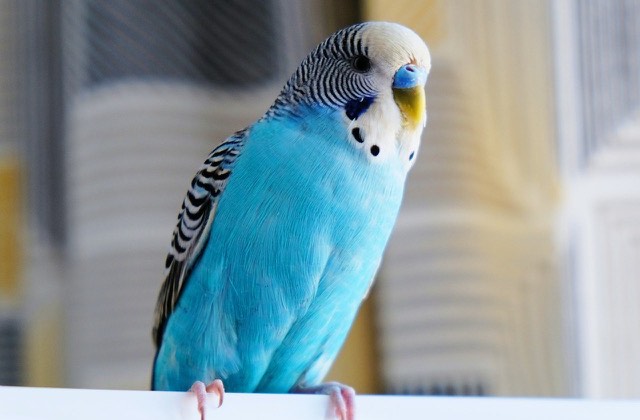
Rainbow lorikeet or budgerigar: which bird for a beginner?
Published by Planète Pets · managing editor: Clément Lacaille · how our guides are written
The rainbow lorikeet is stunning to look at, but its nectar-based diet and daily upkeep make it a far more demanding first bird than a budgerigar. The right choice mostly comes down to how much time you can give it every day and your tolerance for the liquid droppings typical of the species. See more comparisons in our bird accessories section.
Contents · 5 sections
How different is the diet?
In the wild, lorikeets feed almost exclusively on nectar, pollen and ripe fruit: in captivity, a powdered mix diluted fresh every day (a commercial formula such as Nekton or Wombaroo, never left out more than a few hours) replaces the flowers they would otherwise visit. Research on the feeding preferences of several lory and lorikeet genera confirms they tolerate a protein-heavy diet modelled on other parrots poorly. A budgerigar, by contrast, does fine on a standard seed mix or pellets, as detailed in our guide to the budgerigar's ideal diet.
How much daily upkeep does each need?
A direct result of the nectar diet: a lorikeet's droppings are liquid, sprayed some distance, and stained by the fruit eaten. The cage and surrounding walls need daily cleaning, unlike a budgerigar's dry droppings, which are far easier to manage.
What budget should you plan for each?
- Rainbow lorikeet: £150-£350 to buy, a cage of at least 80x60x100 cm, powdered nectar £15-£25 a month
- Budgerigar: £15-£35 to buy, a cage from 60x40x60 cm, seeds or pellets £5-£10 a month
- Avian vet: an annual check-up is advisable for both species
Which temperament suits a beginner?
The lorikeet is playful, very active and vocal, with an occasionally nippy streak that surprises new owners. The budgerigar stays calmer and more forgiving of beginner mistakes, which is why it remains the go-to first bird, as covered in our article on budgerigar or cockatiel for a first bird.
Frequently asked questions
Can a lorikeet eat regular seed mixes?
No, or only marginally: its digestive system is built for nectar and fruit, not the hard seeds that make up other parakeets' diets.
Is a lorikeet louder than a budgerigar?
Yes, its calls are sharper and more frequent, a point worth weighing if you live in a flat.
Can a lorikeet be kept alone?
Technically yes with plenty of human interaction, but a companion of the same species reduces the stress of its highly social nature.
See it in the Planète Pets shop: Flexible pastel cotton rope perch, 35 cm, for budgies and cockatiels (€32.90) · the whole shop
This guide is part of Planète Pets’s Birds universe. Our advice is general in nature: for any health concern, your veterinarian remains the only reference.