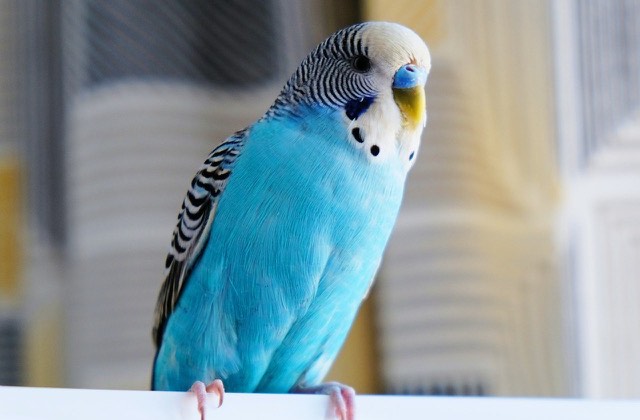
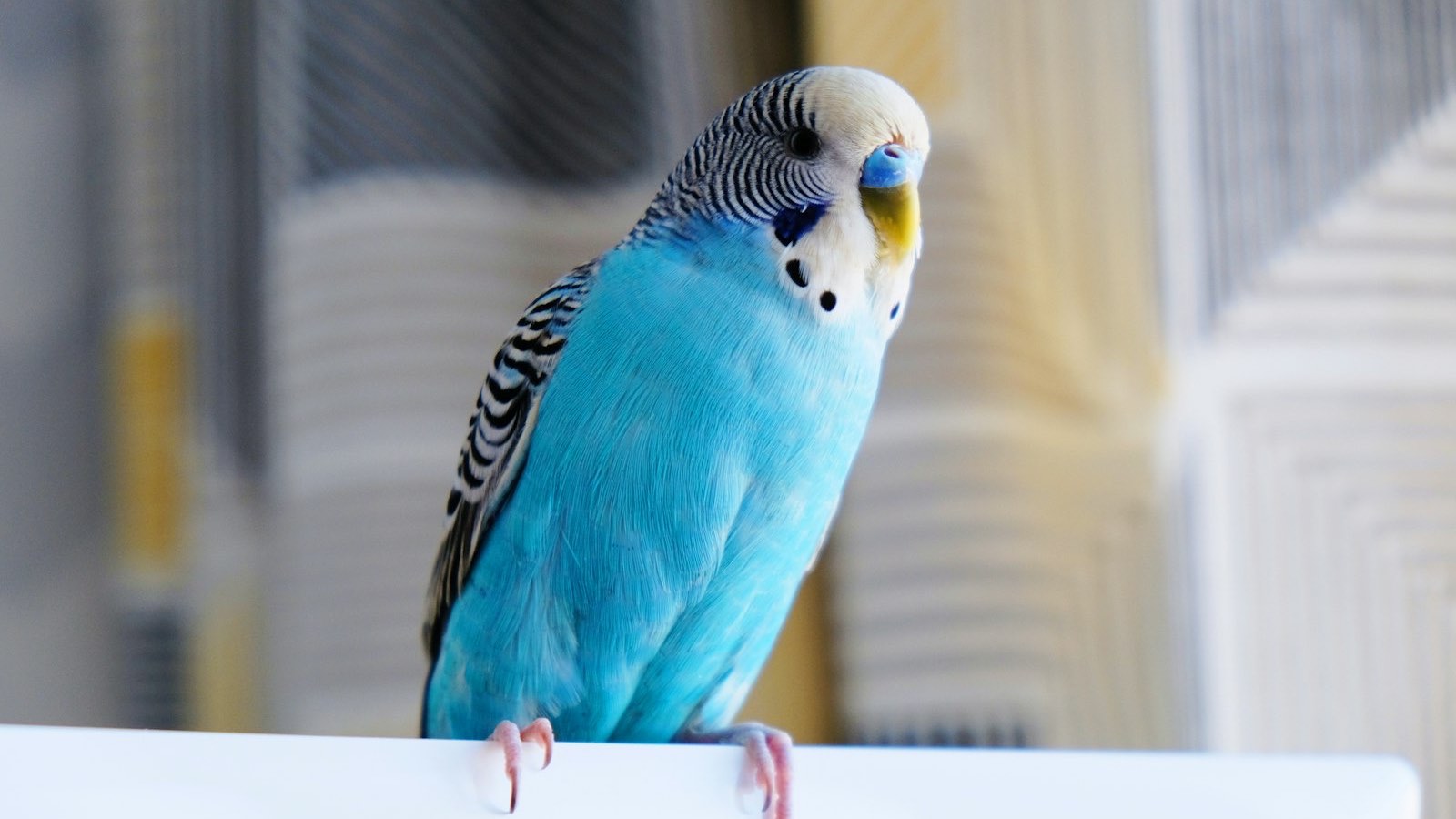
Natural Wood or Rope Perch: What Diameter Should You Choose for a Bird?
Published by Planète Pets · managing editor: Clément Lacaille · how our guides are written
A perch's diameter often matters more than its material for a bird's foot health, since a perch that's too wide or too narrow prevents a natural grip and can eventually lead to injury. Varying diameters within the same cage is the single most useful rule, whatever the species.
Contents · 6 sections
What diameter should you choose by bird size?
- small birds (finch, budgie): perches roughly 10 to 16 mm in diameter;
- medium birds (cockatiel, lovebird): more like 16 to 22 mm, matching natural branch variation;
- large parrots: perches 25 mm and up, with variation along the same branch;
- a good rule of thumb: the bird's toes should cover about two-thirds of the way around the perch.
Natural wood or rope: what's the practical difference?
An untreated natural wood branch offers an irregular diameter that works the foot muscles differently with every grip, unlike a rope perch that's more uniform but softer underfoot. Combining both materials, alongside the plastic perches covered in single-diameter plastic perches, is generally the best option.
Why vary diameters within the same cage?
A single diameter across every perch always concentrates pressure on the same areas of the foot, a known risk factor for pododermatitis. Choosing perches, covered in choosing bird perches, should always include at least two or three different diameters.
Does rope carry a particular risk?
Yes, a fraying rope can trap a toe or a claw if not checked regularly, a risk worth watching just like the rope toys covered in safe toy materials for parrots. Our bird accessories guide covers other safety checks worth making before buying.
Should a perch be replaced at the first signs of wear?
Yes, a cracked wooden perch, one worn smooth, or a fraying rope perch should be replaced promptly, since wear reduces grip and raises the risk of a fall or injury.
Frequently asked questions
Is a pumice perch suitable for permanent use?
No, it should stay occasional to lightly wear down claws; permanent use can irritate the sole of the foot.
Should every perch in the cage be a different diameter?
Ideally yes, at least two distinct diameters to work the foot muscles differently with each move.
Do rope perches need particular upkeep?
Yes, regularly checking for fraying and the occasional clean prevent buildup of grime and the risk of getting caught.
See it in the Planète Pets shop: Bendable multicolour cotton rope perch, 40 cm (€21.90) · the whole shop
This guide is part of Planète Pets’s Birds universe. Our advice is general in nature: for any health concern, your veterinarian remains the only reference.