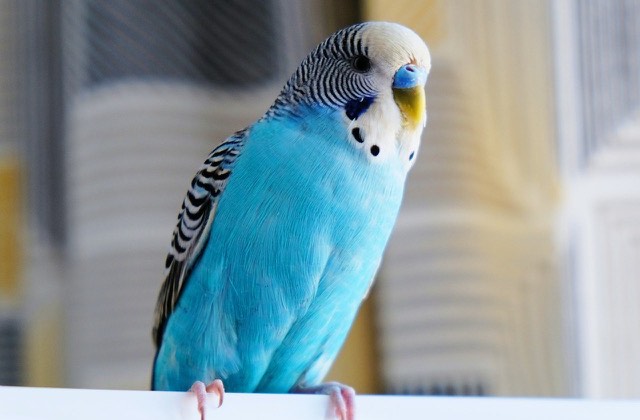
How many hours of artificial light does an indoor bird need?
Published by Planète Pets · managing editor: Clément Lacaille · how our guides are written
Like in the wild, an indoor bird's biological clock is still governed by day length. A landmark review on the photoperiodic regulation of seasonal breeding in birds (Sharp, 2005) shows that artificially lengthening days directly stimulates reproductive hormone secretion, with very real behavioral consequences for a companion bird. Find our other habitat pointers in the bird bedding and habitat section.
Contents · 4 sections
Why the length of artificial light matters so much
A ceiling light left on late in the evening, or a very bright room from early dawn, artificially extends the "day" as perceived by the bird. Its body reads this as a permanent spring: increased sex hormone output, hyperactivity, repeated screaming, territorial or even aggressive behavior, and sometimes repeated egg-laying in females, which is physically draining.
What duration to aim for by season
Most companion species do well with an average of ten to twelve hours of light per day across the year, with a slight seasonal variation rather than one fixed duration year-round. In practice, turning off the room's lights at a regular time and avoiding bright lighting after sunset is enough for most households. This ties into overnight rest as well: see our guide on sleep and darkness a bird needs, which details the hours of complete dark required each night.
Common mistakes to avoid
Covering the cage at exactly 6 p.m. year-round is not the answer either: what matters most is consistency and genuinely total darkness at bedtime, without a night-light or screen glow. Also watch out for UV lamps run continuously: useful in limited doses for vitamin D synthesis, they should never substitute for properly managing the photoperiod.
Frequently asked questions
Should the cage be covered at the same time every evening?
Yes, a consistent schedule matters more than the exact hour chosen: the bird adapts well to a stable routine.
Can artificial light trigger egg-laying in a female alone?
Yes, excess light combined with other stimulation can be enough to trigger egg-laying even without a male present.
Is a night-light in the room a problem?
Even a dim but constant light can disrupt a bird's deep sleep: complete darkness overnight is best.
An accessory from our shop for this use: Bendable multicolour cotton rope perch, 40 cm (€21.90) · the whole shop
This guide is part of Planète Pets’s Birds universe. Our advice is general in nature: for any health concern, your veterinarian remains the only reference.