Feeding an Amazon parrot: moving past an all-seed diet
Published by Planète Pets · managing editor: Clément Lacaille · how our guides are written
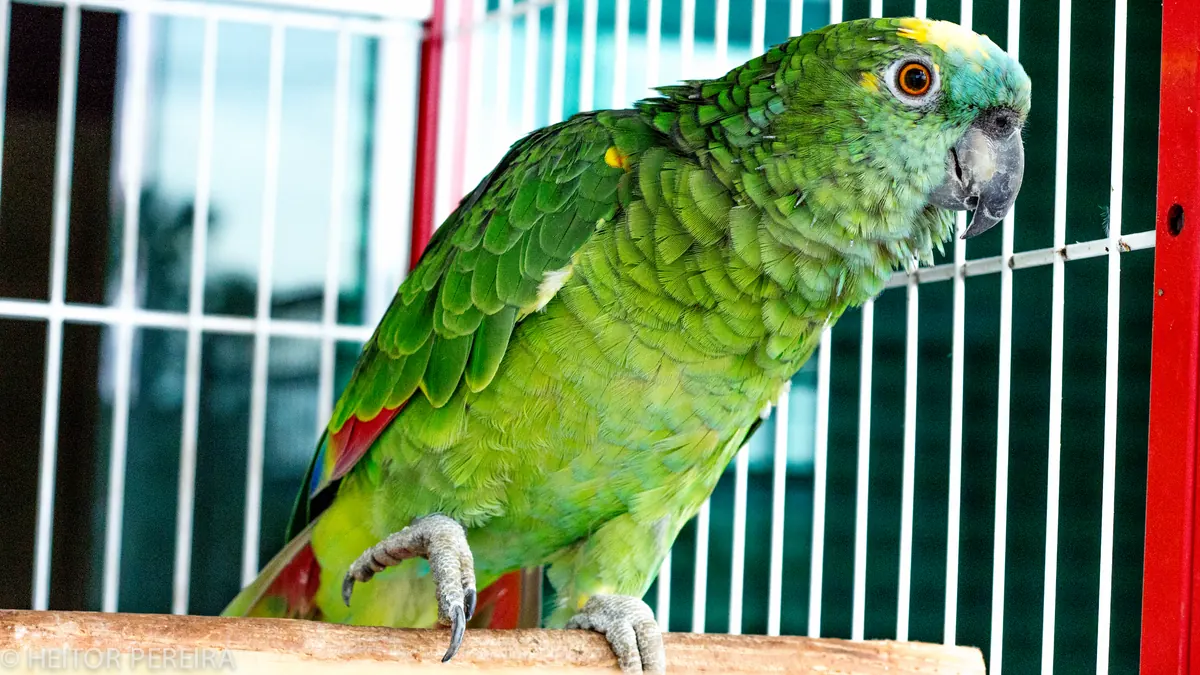
The Amazon is a hardy, talkative parrot, but also one of the most prone to obesity and deficiencies when fed exclusively on sunflower seeds. Switching to a varied diet is the single most important health move for this species. A review by Elizabeth Koutsos, Kevin Matson, and Kirk Klasing, published in 2001 in the Journal of Avian Medicine and Surgery, is an authority on parrot nutrition and shows the limits of a seed diet that is too fatty and unbalanced (see the study). All our bird feeding guides are gathered in the bird food section.
Contents · 5 sections
Why an all-seed mix is a problem
Left to itself, the Amazon picks out only the fattiest seeds, like sunflower, high in fat and low in vitamins and minerals. The result: excess weight, fatty liver, and calcium and vitamin A deficiencies. The problem is the same as in the large parrots described in our guide on essential accessories for large parrots.
The base: pellets
Quality extruded pellets, formulated for parrots, offer a balanced composition and prevent selective picking. They ideally make up 60 to 70 % of an Amazon's ration, with the transition from seeds done gently over several weeks. The rest is fresh food.
Vegetables, fruit, and seeds: the right proportions
- Vegetables: almost unlimited, sources of vitamin A (carrot, pepper, squash, broccoli).
- Fruit: in moderation because it is sugary (apple, papaya, berries).
- Seeds and nuts: reduced to treats and rewards, never the base.
This rebalancing logic applies to all seed-eating species, as our article on feeding the cockatiel points out.
The forbidden foods
Avocado, chocolate, caffeine, alcohol, salt, and processed foods are toxic or dangerous for the Amazon. You also ban excess fat. A perch and foraging toys further encourage the bird to work for its food rather than gulp it. The Amazon parrot food page gathers our species-specific pointers.
Frequently asked questions
How do I get a seed-addicted Amazon to accept pellets?
Gradually mix pellets and seeds, raising the pellet share each week; patience and consistency win over even the stubbornest, without ever starving the bird.
Is sunflower really to be avoided?
Not entirely, but only as an occasional treat: too fatty, it unbalances the ration and promotes obesity if it forms the base of the menu.
Is a calcium supplement needed?
A cuttlebone or mineral block usually covers the need; a supplement is only useful on veterinary advice, in case of a proven deficiency. Find all our guides on the bird hub.
This guide is part of Planète Pets’s Birds universe. Our advice is general in nature: for any health concern, your veterinarian remains the only reference.