Canary: gear and buying guides
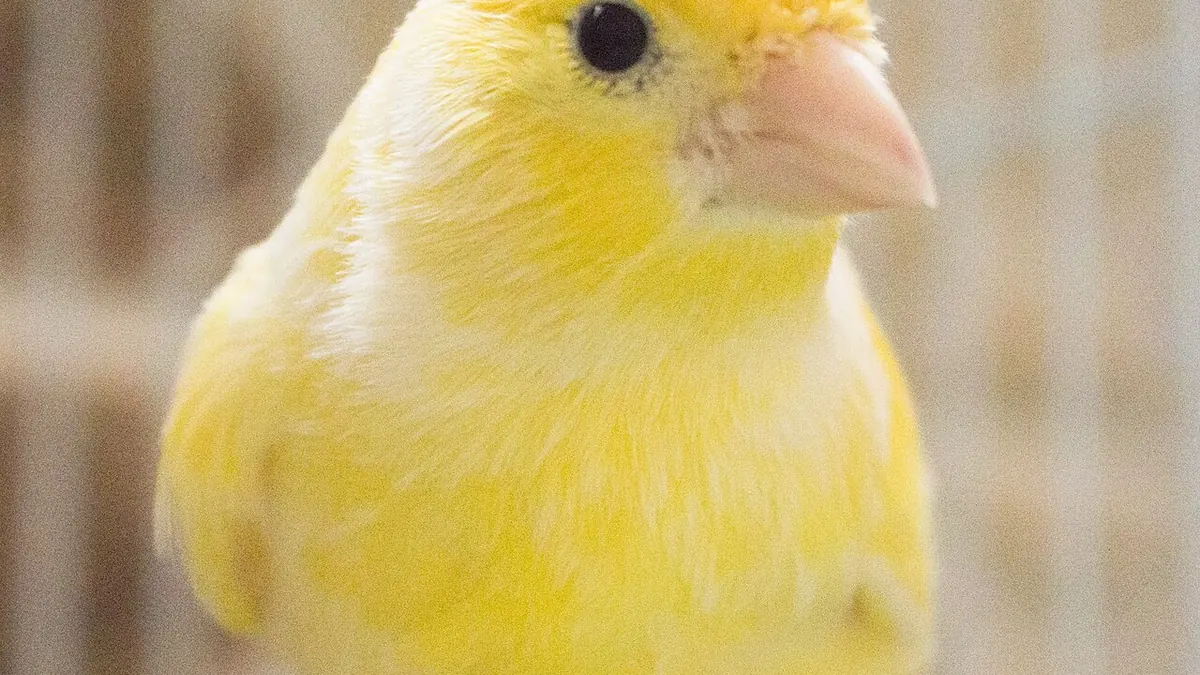

The canary has been prized for centuries for the male's melodious song, at its best outside the moulting season. It is a bird to watch rather than handle, and can live alone; males actually sing better that way. A wide cage for flying and a few simple accessories are all it needs to thrive.
Profile : 12 to 14 cm, 8 to 12 year lifespan, low noise level with the male's pleasant song.
An accessory from our shop for this use: Woven palm leaf foraging toy for parrots (€18.90) · the whole shop
Our products don’t ship to you yet, but the PDF practical guide is instant: Budgies, Cockatiels and Canaries: The Starter Guide (€13)
Species profile
- Lifespan
- 10 to 15 years
- Adult weight
- 15 to 25 g
- Size
- 13 cm
- Minimum cage
- 80 × 40 × 50 cm
- Temperament
- An ornamental, hands-off bird watched rather than handled; the male sings mainly to mark his territory.
- Health watch
- air-sac mite infestation · overgrown claws and nails
🩺 Our hygiene and health advice stays general: it never substitutes for an examination by a veterinarian, the only person qualified to advise on your animal.
Canary gear, family by family
-
🍖
Food
A canary seed mix as the base, topped up with greens, apple and egg food during moult and breeding. A little sprouted seed adds welcome vitamins.
-
🧴
Care & grooming
Hang a bath on the cage door two or three times a week; canaries love water. Trim nails if they start curling and watch the legs, prone to scaly mites in older birds.
-
🎾
Toys & enrichment
Canaries are not big players: a swing, a few well-placed perches and greens to nibble are enough. Flying space matters more than toys.
-
🏠
Bedding & habitat
A cage wider than it is tall, 60 to 80 cm minimum, between 50 and 120 euros, with perches at each end to encourage flight. Place it at eye level, away from draughts and the kitchen.
-
🧳
Travel & safety
A small travel cage or suitable box with a non-slip floor for short trips. Fumes from overheated non-stick pans are lethal to birds, so cook well away from the cage.
-
🧰
Accessories
Cuttlebone, paper or bird-safe sand cage lining, and a bath. Captive-bred canaries wear a closed leg ring proving their origin: keep the breeder's paperwork.
Guides to read
- Scaly leg mite in budgies: recognizing and treating knemidokoptic mangeCare & grooming
Knemidokoptic mange in budgies: the tell-tale crusty patches on legs and beak, the vet treatment, and how to prevent it.
- Nonstick pans and Teflon fumes: a deadly danger for pet birdsTravel & safety
Why fumes from overheated nonstick cookware are lethal to cage birds, and how to keep your kitchen safe without giving up nonstick pans entirely.
- Clicker training for birds: the basics of positive reinforcementToys & enrichment
How to start clicker training with your bird: the gear you need, the principles of positive reinforcement, and simple first exercises.
- Colored LED lighting in the cage: real enrichment or just a gadget?Accessories
Colored LED lighting in a budgie's cage: what the research shows about its effect on behavior, and how to use it without disrupting sleep.
- Lovebird or budgie for beginners: which bird needs the most company?Accessories
Lovebird or budgerigar: which one copes better with being alone, and which one absolutely needs a same-species partner? The practical comparison for choosing your first bird.
- Nest box for budgies: should you really add one to the cage?Bedding & habitat
A wooden nest box looks harmless, but it can trigger a full breeding cycle in budgies that have no chicks to raise. What to know before adding one.
- Outdoor garden aviary: real budget and health-safety measuresBedding & habitat
How much does an outdoor aviary cost, and how do you secure it against predators, weather and health risks linked to wild birds? The budget guide before you commit.
- Too many sunflower seeds: the mix mistake that threatens your bird's healthFood
A seed mix too heavy in sunflower seeds drives obesity, fatty liver and atherosclerosis in cage birds. How to fix the ratio without frustrating your bird.