Care for a Canary: bathing, plumage and health watch
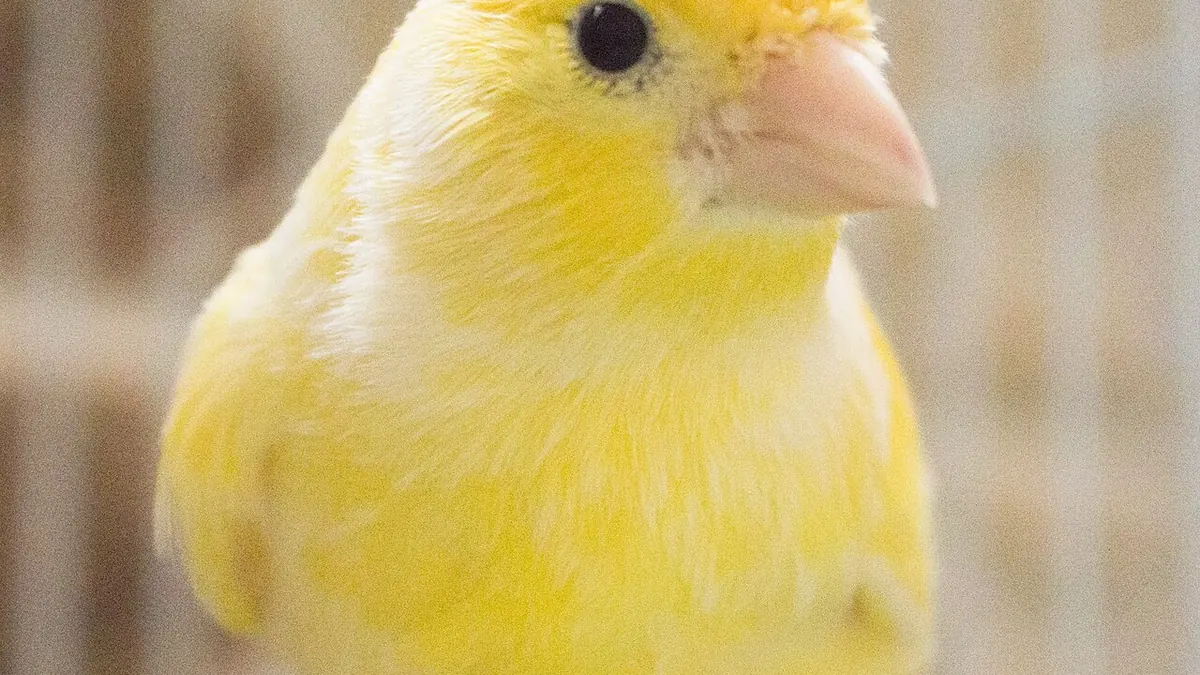

Canary : Hang a bath on the cage door two or three times a week; canaries love water. Trim nails if they start curling and watch the legs, prone to scaly mites in older birds.
We don’t ship products to your country yet; our practical guide downloads anywhere: Budgies, Cockatiels and Canaries: The Starter Guide (€13)
🩺 This health information is general in nature and does not replace a consultation: at the slightest doubt about your animal’s condition, talk to your vet.
In short: 12 to 14 cm, 8 to 12 year lifespan, low noise level with the male's pleasant song. An ornamental, hands-off bird watched rather than handled; the male sings mainly to mark his territory. A straight-beaked bird above all: flight length is what matters, so a long, uncluttered cage beats any pointless height.
Bathing: basic hygiene
Offer bath water several times a week (daily in the moult): a clip-on bath or saucer — the Canary handles its own plumage care from there. Regularly wetted then preened feathers stay waterproof and insulating; never soap or “shine sprays”.
Feathers, beak, claws: routine upkeep
Claws and beak wear down naturally on natural-wood perches of varied diameters (1 to 1.5 cm for this species) — an overgrowing or flaking beak signals an underlying issue: avian vet, never the DIY file.
The Canary’s health: warning signs
Documented watch-points in the species: air-sac mite infestation and overgrown claws and nails. Birds mask illness until the last moment: continuously fluffed feathers, a bird on the cage floor or altered droppings warrant an avian consult within 24 hours. Over 10 to 15 years together, an avian vet identified in advance is no luxury.
Frequently asked questions
How often should a Canary bathe?
Two to four times a week routinely, daily during the moult — a clip-on bath or saucer, always plain water.
Do a Canary’s claws need clipping?
Rarely, if varied-diameter natural perches are doing their wear-down job. Clipping remains technical: vet or experienced keeper — a struggling bird injures itself fast.
The guides that apply to you
- Egg binding in a female bird: signs and veterinary emergency
A listless hen with a swollen abdomen and labored breathing: egg binding is a life-threatening emergency. Signs to watch for, risk factors and prevention.
- Senegal Parrot Biting Phase: Understanding Adolescence and Getting Through It
A once-cuddly Senegal parrot that starts biting out of nowhere around age 1-3 is going through a classic phase tied to puberty. Understanding why, and responding without reinforcing it.
- Feather plucking in cockatoos: understanding and preventing it
Why does a cockatoo pluck its own feathers? Main causes of feather plucking, early warning signs, and enrichment solutions that actually work.
- Ring-Necked Parakeet Plumage Care and Feather-Plucking Warning Signs
Bathing, misting, dull feathers or bare patches: how to keep a ring-necked parakeet's plumage healthy and spot the early signs of feather plucking.